Original article: Trump y la lógica del saqueo petrolero: dice que el crudo venezolano irá a EE.UU. y que él controlará la plata
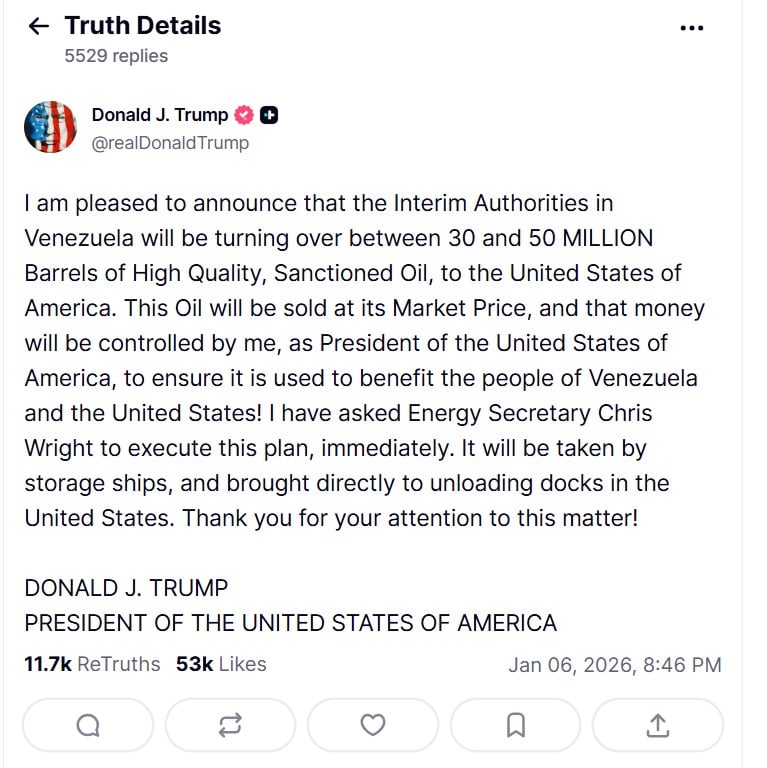
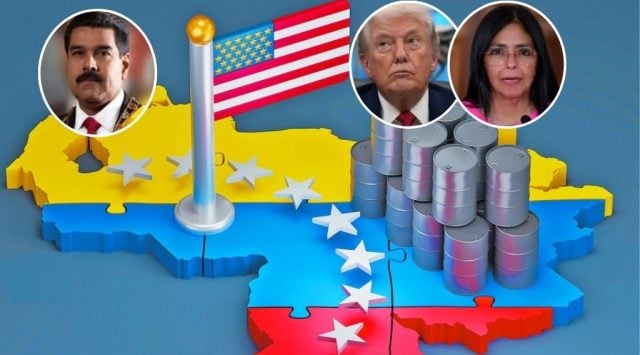
Donald Trump has reignited the narrative of oil as a geopolitical trophy. On his Truth Social platform, he stated that «the interim authorities of Venezuela will deliver between 30 and 50 million barrels of high-quality, sanctioned oil to the United States.» He added that the oil «will be sold at market price» and that «the money will be controlled by me, as President of the United States of America, to ensure it is used for the benefit of the peoples of Venezuela and the United States.»
The message even includes logistical details—immediate shipment via storage ships to U.S. docks—and instructions to his Secretary of Energy, Chris Wright, to execute the plan «immediately.»
The Logic of Oil Looting
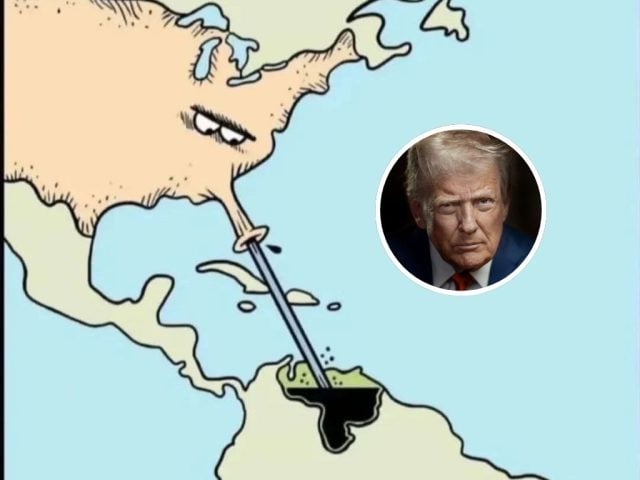
Beyond the sensationalism of his announcement, the text reflects an age-old logic of domination: oil looting as a political instrument. Trump does not speak of diplomatic agreements or legitimate trade between states but rather of a unilateral handover of natural resources into the hands of an unelected ‘interim’ authority. And most seriously, he claims personal management of the funds.
This gesture not only strains the principle of Venezuelan sovereignty but also revitalizes the colonial narrative of “benevolent control”: the United States as custodian of others’ money under the pretext of «benefiting» the peoples. Behind the corporate language and the promise of efficiency lies a logic of subordination.
An Announcement Amid Attack and Kidnapping
The post was published just days after a military attack against Caracas, where U.S. forces carried out the kidnapping of President Nicolás Maduro and his wife, Cilia Flores. This context makes Trump’s message more than just a provocation: it is a declaration of political dominance over Venezuelan territory and resources.
The oil, turned into loot after a military operation, now appears in the presidential discourse as a symbol of «victory» and «control.» The administration of these resources under his command projects a clear idea: the continuation of a model where force defines ownership.
In this framework, the announcement reveals not only an economic intention but also a ideological positioning. By talking about Venezuelan oil as readily available merchandise, Trump reactivates an old imperial tradition: seizing the resource and managing its profitability as part of a foreign policy that confuses intervention with salvation.
This post leaves an uncomfortable yet inevitable question: what «benefit for the people» is being discussed when the premise is that the oil is exported, sold abroad, and the funds remain under foreign presidential control? The idea of oil looting is not an empty slogan here: it is the very structure described by the message itself.
Relacionados
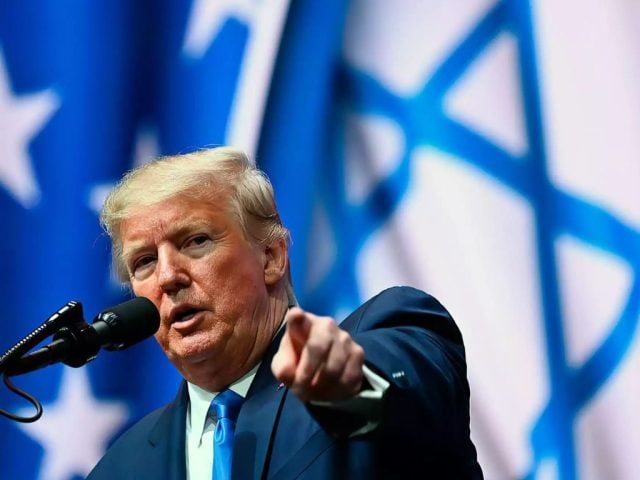
Trump Claims Venezuela Will Deliver "30 to 50 Million" Barrels of Oil, Vowing to Control Sales Proceeds
Hace 2 meses
Beyond Oil: Trump's Interests in Natural Gas, Gold, and Critical Minerals Driving Actions Against Venezuela
Hace 2 meses