Original article: Paro universitario de 72 horas: Milei promulgó la ley de financiamiento y la dejó sin fondos
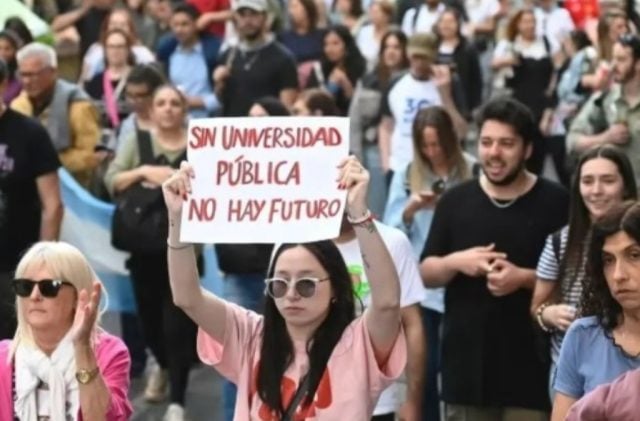
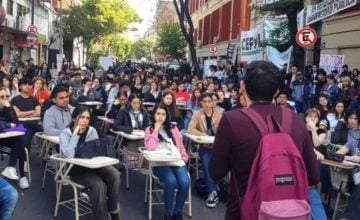
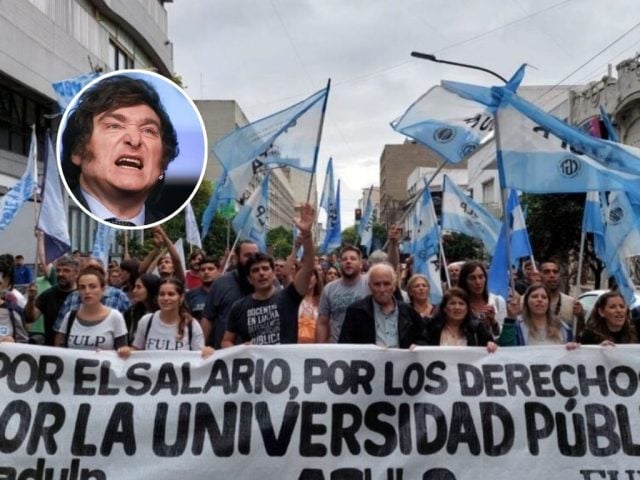
Starting Wednesday, November 12, national universities in Argentina will engage in a 72-hour strike demanding the implementation of the Financing Law, which was suspended by Javier Milei‘s administration due to lack of funding.
On October 21, the so-called ‘libertarian’ government officially promulgated Law 27.795 in the Official Bulletin, but simultaneously froze its implementation until Parliament defines its funding source and incorporates the relevant allocations into the National Budget.
This law was approved by a broad majority in Congress, and after being vetoed by President Milei, both chambers rejected the presidential repeal, forcing the Executive to enact it within the legal deadline. However, the Casa Rosada opted for this conditional enactment, which effectively blocks its activation.
The strike, confirmed by the National Federation of University Professors alongside CONADU Histórica, will extend until Friday, November 14, aiming to pressure the government into implementing the University Financing Law that provides for salary increases for educators and seeks to prevent the undermining of public education.
This legal instrument outlines a progressive funding scheme for universities, starting from 1% of Gross Domestic Product (GDP) in 2026 and increasing to 1.5% by 2031.
It also mandates the opening of salary negotiations to restore remuneration, updates operating expenses, and establishes funds for infrastructure, scholarships, strategic careers, and academic activities.
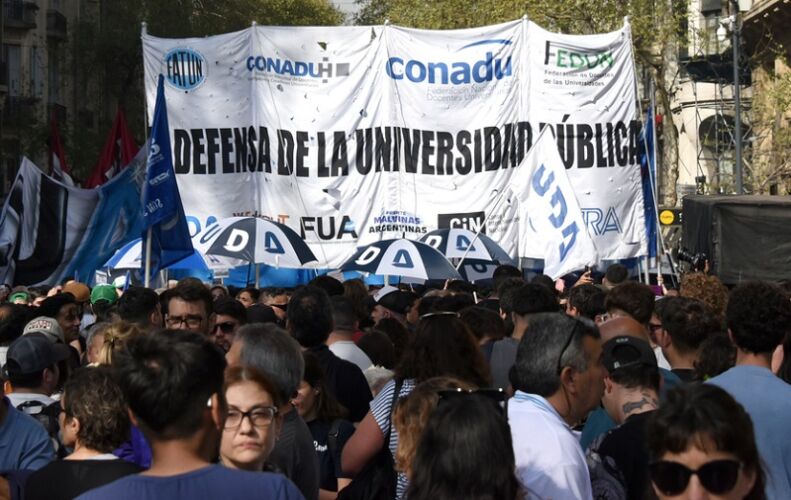
«Every Day That Passes Deepens the Undermining of Public Universities»
The 72-hour strike was triggered by university faculty who report that their incomes are significantly below inflation rates, and many institutions have declared budgetary emergencies as funds are insufficient to cover the academic year.
“There is money available. We need to stop claiming that there isn’t because this government has chosen to defund national and public universities and has redirected funds away from debt payments. We must continue to intensify protests against the labor reform and the agenda that threatens public universities, public hospitals, and labor rights,” stated Pilar Barbas, Secretary of the Argentine University Federation (FUA).
The Youth branch of the Socialist Left criticized that after Congress «overturned the vetoes, the government decided not to apply the law as happened with the Disability Law, and if that ceases to be in the public’s daily life».
“The Executive continues to push its agenda, so a mobilization would be important,” she noted.
According to reports from Página/12, teacher unions claim that salaries «have not been restored» and, following three massive federal marches for public universities, it has been impossible to convince the far-right president to «comply with the law».
“The law must be implemented without further delay, not only because it is law, but because failing to do so is unconstitutional. Every day that passes deepens the undermining of public universities. According to what the law stipulates, we are owed a 44 percent salary increase. This is no longer a request; it is a debt,” argued Ileana Celoto, General Secretary of the Teacher’s Union Association of the University of Buenos Aires (AGD – UBA).
She denounced that low salary levels are creating a crisis among university staff and that they “can no longer sustain” their activities given the low wages, which “in many cases are below the poverty line”.
Due to these conditions, there have been “requests for changes in dedication” and reductions in working hours, raising alarms that this issue is “emptifying” work teams.
“We are defending public universities, to ensure they do not end up as empty shells, with teams that can no longer carry out their assigned tasks,” she emphasized.
It’s important to note that the teaching sector warns that unless progress is made, the beginning of the 2026 academic year may be jeopardized as an additional pressure tactic.
Obtén tu Pasaporte y apoya a El Ciudadano
Elimina la publicidad, accede a contenido exclusivo y sé parte de la comunidad.
Cancela en cualquier momento · Sin permanencia