Original article: AFUF inicia reorganización interna tras crisis del Directorio
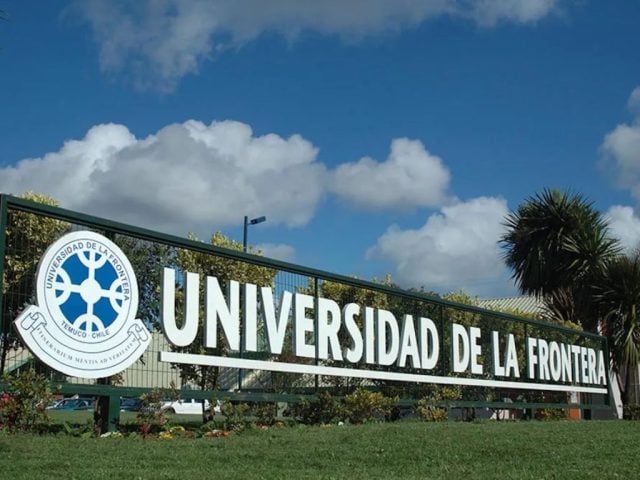
The Association of University Staff at La Frontera University (AFUF) is embarking on an internal reorganization process at the request of its members, who convened in an Extraordinary General Assembly on November 20. This initiative aims to restore trust in the union’s structure and ensure transparent and representative management.
This action follows the resignation of three out of five board members, leaving the organization without quorum to hold meetings, and thus lacking valid representation according to its statutes and Law 19.296.
This situation was confirmed by the Labor Inspection, which, in a statement issued on November 28, explicitly indicated that the board is currently in recess and a complete renewal through regular elections is necessary.
In this context, the Assembly decided to create a Transitional Committee responsible for ensuring the normal functioning of the union and representing its members as their spokesperson during this democratic transition.
The Transitional Committee stated, “The staff at UFRO deserve a union that represents us with legitimacy, transparency, and participation. This process aims to restore trust and strengthen our union life.”
In an interview with El Ciudadano, Bárbara Galdames, a member of AFUF, explained that the establishment of the Electoral Tribunal (TRICEL), an autonomous body mandated by the Assembly, has already been realized. This body is responsible for candidate registration, overseeing the election process, providing access to an updated voter registry, conducting secret voting with a minister of faith, and ensuring public scrutiny of the results.
Additionally, voting stations will be enabled across all university campuses, along with ongoing communication about the process to ensure broad participation from staff in this union reorganization effort.
The Assembly outlined a mandate organized into three priority areas for this phase. The first involves a thorough review of the association’s administrative and financial information, supported by the Audit Committee. The second area is the election of a new board, scheduled by the Assembly for January 6, 2026, and supervised by the Electoral Tribunal (TRICEL).
The third area includes formal meetings with university authorities and collegial bodies to ensure that the 2026 Institutional Budget does not involve new dismissals and considers a salary adjustment after two years without increases amid institutional restructuring.
In this context, Galdames warned that following the most profound crisis the university has faced—resulting in the dismissal of 297 staff members—the union’s objective is clear: to prevent any further setback in labor conditions.
The leader noted that the university is already aware of the transition process and acknowledged the Assembly’s mandate, incorporating AFUF representatives into the budget committee.
In this instance, three minimum demands were raised: zero layoffs during the current institutional adjustment, a salary adjustment for 2026 after two years of stagnation, and a compensation bonus recognizing the increased workload.
Galdames stressed that these measures aim to prevent further loss of human capital, contribute to the restoration of the workplace environment, and safeguard the well-being of those who support the university’s daily operations.
The Transitional Committee emphasized that the recovery of the institution must go hand in hand with real improvements in working conditions. They stated that staff have been crucial in sustaining the university’s operations during the crisis, and it is time for that effort to be reflected in greater dignity and recognition.
Furthermore, they reaffirmed their commitment to keeping the community informed through public announcements and open calls for participation.
“AFUF is returning to its members. We invite everyone to be an active part of this democratic renewal phase that will strengthen our role at the University,” they concluded.
Regarding the challenges that have emerged, Galdames explained that the first challenge has been to restore the legitimacy of union representation following the board’s resignations, a process addressed through democratic agreements made in the Assembly, strictly adhering to the Statutes and Law 19.296. “This has allowed continuity of the organization and protection of our members’ rights,” she asserted.
She also stated that despite attempts to impede the process by members of the former board, the Transitional Committee operates with full backing from the Statutes, Law 19.296, and the Labor Inspection’s declaration of the board being in recess. In this regard, she emphasized that the mandate is to advance toward a complete renewal of the union.
Finally, Galdames mentioned that they also face a challenge in workplace atmosphere and trust, which they are addressing with an active communication policy, open participation, and public agreements. “Our goal is to rebuild unity and strengthen a union culture based on transparency, legitimacy, and mutual respect,” she concluded.
Obtén tu Pasaporte y apoya a El Ciudadano
Elimina la publicidad, accede a contenido exclusivo y sé parte de la comunidad.
Cancela en cualquier momento · Sin permanencia
Artículos Relacionados
Right-Wing Lawmakers Push to Eliminate Worker Representation on Codelco's Board of Directors
Hace 4 semanas