Original article: Sindicatos advierten movilizaciones si se elimina el feriado electoral: “Afectaría gravemente el derecho a voto”
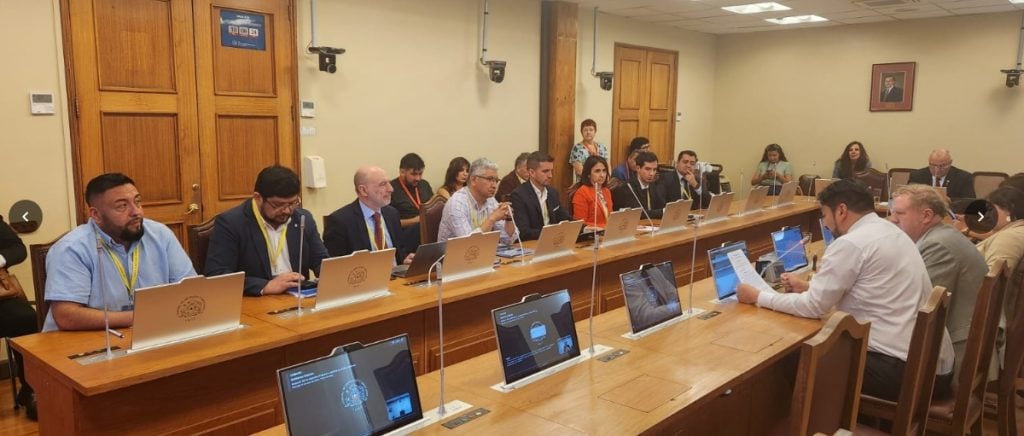
With a clear warning of upcoming protests and a strong plea to uphold rights, representatives from unions in commerce, retail, and pharmacies vehemently opposed a bill during a session in the Interior Government Committee of the Chamber of Deputies on Wednesday. The proposed legislation (Bill No. 16,725-06) aims to repeal the legal holiday on election and plebiscite days.
This initiative, currently under its initial constitutional review, sparked a debate between economic arguments put forth by business leaders and the defense of labor and democratic rights by union representatives.
During the session, union leaders warned that removing the holiday «would seriously affect the effective exercise of the right to vote» for thousands of individuals.
The critics among the unions focused on what they termed as structural «discrimination.» They explained that, currently, while some workers enjoy the full holiday, those employed at large chain establishments—such as malls or shopping centers—must remain open and rely on a three-hour permission window to cast their votes.
Rejection of Changing Voting Locations: «A Disrespect»
One of the most heated moments arose when discussing a proposal from certain business sectors to allow workers to vote at a location near their workplace rather than at their electoral home address. The unions unanimously and emphatically rejected this alternative.
They warned that «this discriminates against a part of the citizenry that cannot vote under equal conditions as the rest.»
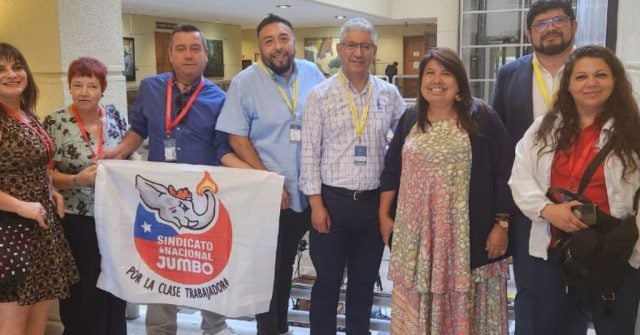
Sergio Fuentes, president of the Jumbo National Union and secretary of the Confederation of Workers in Commerce and Services (Conatracops), stated that «people want to vote for officials in their districts, those who represent their areas and interests, not for others unrelated to their reality.»
«To even propose such a thing is a disrespect,» he emphasized.
Defense of Democratic Guarantee and Possibility of Mobilization
The union leaders present—among them Mauricio Acevedo, president of the National Federation of Pharmacy Workers (Fenatrafar), and Juan Moreno, president of the Inter-Union Lider Walmart—agreed that the election holiday is a «democratic and labor guarantee» enshrined in Chilean law, particularly in Article 180 of Law No. 18,700 regarding Popular Voting and Scrutineering, which acknowledges the workers’ right to the necessary time off to vote without losing pay.
According to the union representatives, the election holiday is a measure that should be strengthened, not eliminated.
They argued that it should be extended to all workers, erasing any distinctions that could create «first-class and second-class citizens in exercising fundamental political rights.»
During the session, they called on Parliament not to roll back labor rights, and in anticipation of the bill’s progress, they issued a direct warning: there will be mobilizations.
«We cannot lose what we have achieved. This is a very bad political signal for workers. After this, they will want us to work during holidays and important dates like Christmas late into the night, as used to happen,» stated Juan Moreno in remarks captured in a press release.
Along similar lines, Mauricio Acevedo added, «We cannot step back on rights won through democratic means; it is serious that Congress would entertain social rollbacks.»
Business Stance: Economic Losses and Compatibility
Conversely, public officials and business representatives from the commerce, tourism, and gastronomy sectors presented their arguments during the session. Among them were Sebastián Castillo, manager of Union Affairs and Studies for the Chamber of Commercial Centers of Chile; representatives from the Santiago Chamber of Commerce; Máximo Picallo, president of the Chilean Gastronomy Association; Mónica Zalaquett, executive president of the Federation of Tourism of Chile; and Andrés Bogolasky, president of Retail Brands A.G.
Their central argument focused on the economic impact, asserting that closures on holiday days cause «significant economic losses» for sectors that rely on continuous operations, such as commerce, tourism, and gastronomy.
From their perspective, working and voting are compatible activities, provided that the permissions currently established by law are maintained and respected.
The debate highlighted a profound divide between two opposing views: one that prioritizes the unrestricted protection of a fundamental right like suffrage, considering modern labor realities, and another that emphasizes flexibility and the necessity of maintaining economic activity on critical days.
The discussion in the Interior Government Committee is not concluded. It will continue in upcoming sessions, where legislators are expected to weigh these opposing arguments.
Obtén tu Pasaporte y apoya a El Ciudadano
Elimina la publicidad, accede a contenido exclusivo y sé parte de la comunidad.
Cancela en cualquier momento · Sin permanencia
Artículos Relacionados
Healthcare Workers Reject Controversial "Listen to Your Heart" Bill: "A Setback for Women's Rights"
Hace 2 meses