Original article: Punta Peuco y rasgos psicopáticos: Estudio evaluó a 101 ex uniformados condenados por crímenes de lesa humanidad
New Study Reveals High Psychopathic Traits Among 101 Convicted Human Rights Violators at Punta Peuco
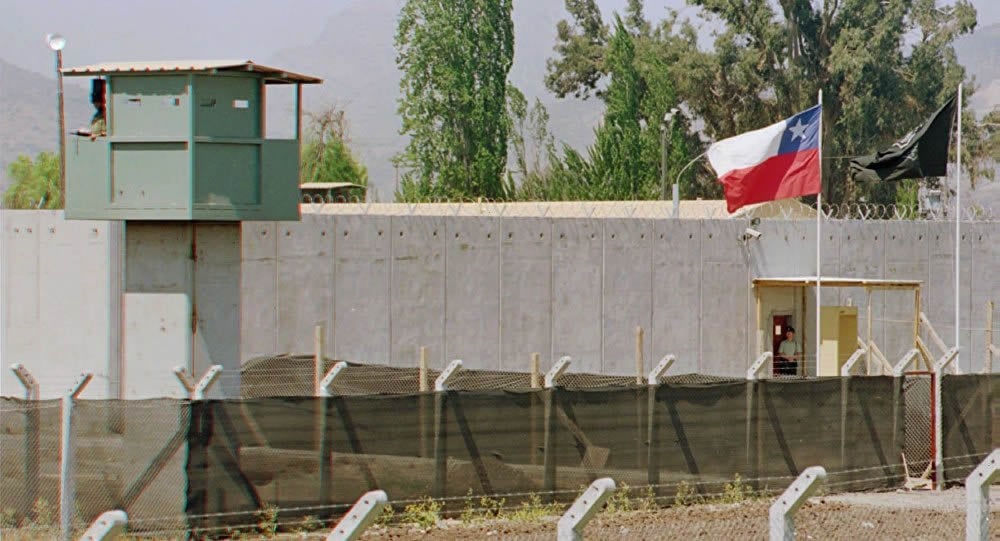
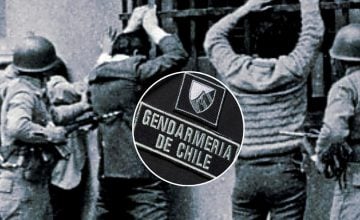
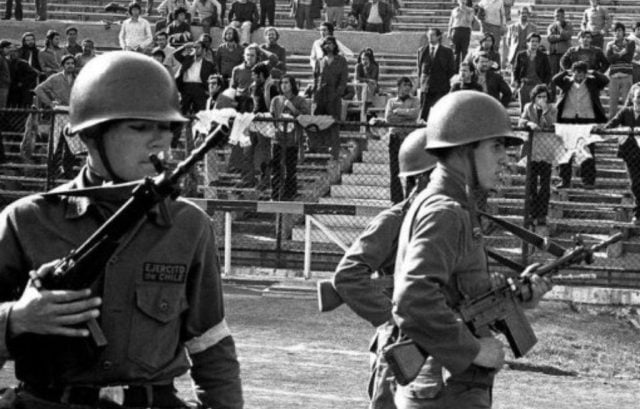
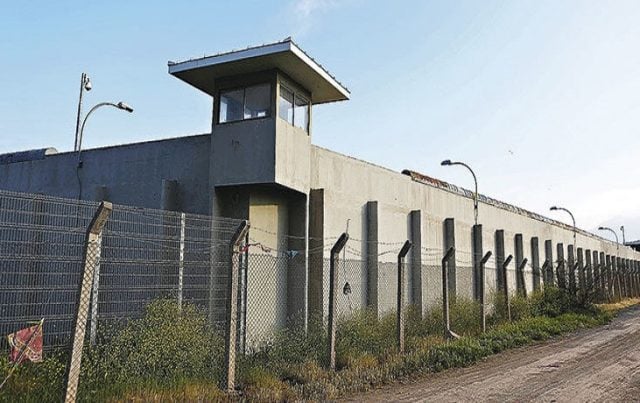
A report from The Clinic details the first direct scientific study conducted in Chile on convicts of human rights abuses imprisoned at Punta Peuco. Led by psychologists Elizabeth León-Mayer and Joanna Rocuant, the research assessed 101 inmates—equivalent to 84% of the prison population—using the Psychopathy Checklist-Revised (PCL-R), a tool developed by Canadian psychologist Robert D. Hare and internationally validated. The findings were published in the Journal of Criminal Justice, in an article co-authored by Hare, Jorge Folino, and Craig S. Neumann.
The central finding, as reported by The Clinic, reveals that the convicts achieved an average score of 21.06 on psychopathy, nearly identical to that of common offenders (20.93). However, when breaking down the factors, a significant difference emerged: exceptionally high levels in the interpersonal-affective component—emotional coldness, manipulation, and lack of guilt—placing them near the 92nd percentile compared to international samples. Ten percent reached the maximum score in that dimension, a phenomenon that among common offenders only occurs in 0.5% of cases. In contrast, the inmates displayed low impulsivity and little behavioral dyscontrol.
Clinical interviews included episodes that reflect a dissociation between public discourse and internal experience. León-Mayer recounted that when asked about the victims, one responded, “What victim? I only killed communists.” When asked if he felt remorse, he replied, “Why would I feel remorse?” The psychologist added, “I was left speechless” when she saw him on television the next day asking for forgiveness along with a priest. Rocuant emphasized, “In terms of impulsivity, the behaviors were generally more planned; they were not impulsive, they were organized,” highlighting that there was no outburst but rather conviction and planning.
The predominant profile described in the study corresponds to the term «callous–conning»: cold, calculating individuals who are socially functional, capable of inflicting extreme violence without remorse and lacking previous criminal trajectories. The sample comprised men aged between 50 and 90 years, with an average age of 71; 65% were officers and 33% were non-commissioned officers; with 44 convictions for homicide and 49 for kidnapping, among other crimes. León-Mayer stated to The Clinic that the evidence was sent to the Subsecretariat of Human Rights, but “they never called me back,” despite it being, she asserts, “solid scientific evidence” regarding a crucial chapter in Chile’s recent history.
Watch the full report published in The Clinic at the following link:
Obtén tu Pasaporte y apoya a El Ciudadano
Elimina la publicidad, accede a contenido exclusivo y sé parte de la comunidad.
Cancela en cualquier momento · Sin permanencia