Original article: Quiere reformarlo, pero lo usará igual: Kast insiste en conceder indultos y luego cambiar el sistema
Kast Advocates for Presidential Pardons While Planning System Reforms
José Antonio Kast emphasized that he intends to utilize presidential powers for pardons as currently established, before initiating changes to the system.
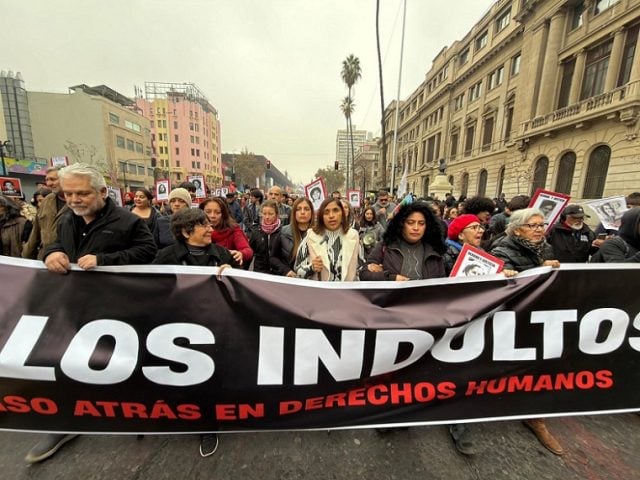
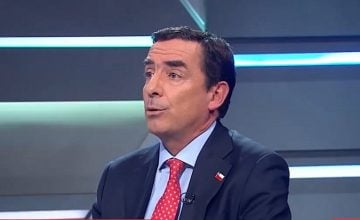
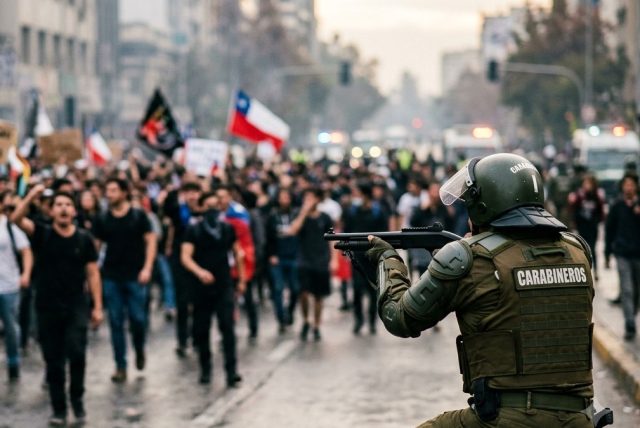
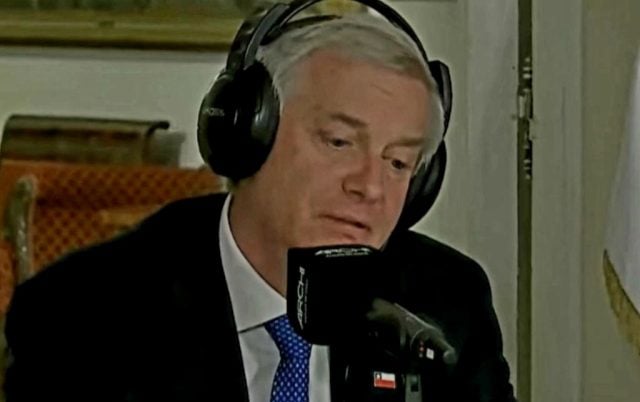
During a discussion with the Chilean Radio Broadcasters Association (Archi), the far-right leader outlined his administration’s approach to a contentious issue that has sparked debate since his inauguration. He stated that he would use the existing authority to grant pardons to police officers and military personnel convicted of crimes during the social unrest while simultaneously advocating for a structural change, which he described as replacing the unilateral decision-making of the President with a «collegial body.»
When asked if he considers the pardon mechanism legitimate in light of statements from Supreme Court President Gloria Ana Chevesich and former Justice Minister Hernán Larraín (UDI), both of whom support removing this constitutional power from the President, Kast responded definitively: «Yes, I will use it.»
«Afterwards, we will generate a bonus in line with what the Supreme Court president and former Minister Larraín indicated. A kind of commission, I think it is reasonable that this be a collegial body,» he remarked.
«We will make a decision as soon as we can, and after that, we will present a bill to align with what the Supreme Court president and the former justice minister have suggested,» he added.
Kast Will Implement Pardons and Then Modify the System
Despite the criticisms and acknowledging the need for changes to this tool, the President reaffirmed his intention to fully utilize it.
«I believe that the pardon as an institution, despite the fact that I think it should undergo changes in how pardons are granted, must always be a possibility that exists,» he stated, which contradicts his electoral campaign stance when he claimed he would «not use this presidential power» and that «criminals must serve their sentences.»
In response to a question about why he would use it and then make changes, Kast mentioned, «There are situations that I believe need to be analyzed and reviewed.»
«We are reviewing various real situations that have occurred,» he emphasized, while arguing that this process does not mean «discussing judicial sentences, as the Executive and Judicial powers are independent,» he said.
In this context, he noted that the review does not imply questioning the Judiciary’s authority.
«The pardon is not about questioning a judicial decision made by a judge. I am not debating the evidence or the judicial ruling. I am saying, look, I have a legal power that allows me to grant pardons in certain cases,» he maintained.
After it was pointed out to him that granting a pardon to a convicted individual overrides a judicial ruling, the far-right leader insisted that he was «not talking about the ruling.»
«I am not disputing what a court has stated. I am saying that I have reached the conclusion, after analyzing certain situations, that this person deserves to be pardoned,» he said.
Who Will Benefit from the Pardons?
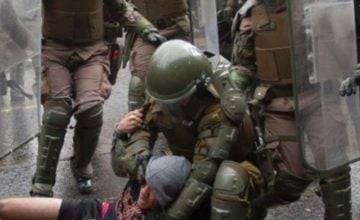
When asked if his administration is reviewing cases involving fourteen Carabineros officials linked to crimes committed during the social upheaval of 2029, and whether the name of former Carabineros captain Patricio Maturana, who was sentenced to 12 years for the Fabiola Campillai case — whose attorney has already submitted a request — is among them, Kast chose not to provide specifics.
The President merely stated that they will «examine all cases formally requesting pardons as appropriate.»
Beyond mentioning timelines for implementing pardons, he reiterated that his government plans to conduct a thorough analysis of each case «and once we reach an assessment and make a determination, we will communicate it.»
When asked if his reflections include those convicted of human rights violations, the President stated that his government’s focus is «on a critical moment in the last few years in our nation, a social crisis that occurred and resulted in unfortunate consequences for Chileans.»
Obtén tu Pasaporte y apoya a El Ciudadano
Elimina la publicidad, accede a contenido exclusivo y sé parte de la comunidad.
Cancela en cualquier momento · Sin permanencia