Original article: Crisis agrícola se profundiza en Limarí: altos costos y escasez hídrica hunden a pequeños productores
“No Profitability”: Small Farmers in Limarí Stop Planting as Many Emigrate Amid Severe Water Crisis and Rising Input Costs

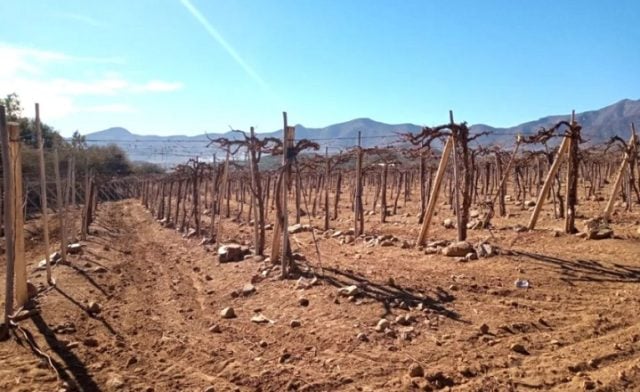
Agriculture in the Limarí province is undergoing a critical transformation characterized by the abandonment of traditional crops and a sustained decrease in productive areas, as highlighted by a feature from the newspaper El Día. The report by its journalism team illustrates how water scarcity, rising costs, and low profitability are reshaping the agricultural landscape and rural life.
According to El Día, the decline in crops such as artichokes, mandarins, avocados, grapes, and kiwis is already evident across various municipalities. Farmer Ingrid Valenzuela, from Río Hurtado, illustrates the severity of the issue: “I discontinued 16 hectares of mandarins,” adding that “this year we could water only five times,” making any profitability impossible under current conditions.
The regional report also includes the testimony of leader Jessica Carrizo from Monte Patria, who details a drastic reduction in scale: “From two hectares, we are now planting one, sometimes half a hectare.” This is compounded by the impact of costs, particularly for inputs and fuel, prompting some to stop planting altogether: “It does not make sense to plant a little,” she asserts.
Moreover, the publication highlights the progressive disappearance of traditional agricultural species. Farmer Ricardo Villalobos warns in El Día that “there used to be a lot of artichoke plantations, but now very few can be seen,” while crops like kiwis and grapes have lost their appeal due to market issues and pricing. “Nowadays, there is nothing to invest in that can yield a good return,” he emphasizes.
Finally, El Día points out that the impact goes beyond productivity, revealing a growing abandonment of farms and a migration towards other economic activities. “There are many abandoned orchards,” notes Alfonso Díaz, adding that “people are leaving to work in mining.” This scenario, as farmers themselves warn in the report, could intensify in the coming years, solidifying a structural change in agriculture in Limarí.
In the same publication, dated Sunday, April 26, it was also reported that the goat farming sector in Limarí “is experiencing a complex moment. The persistent water scarcity, the rising cost of feed, and difficulties in managing state support have led herders to urgently request measures that will sustain this key sector for the region’s economy and culture.”
Obtén tu Pasaporte y apoya a El Ciudadano
Elimina la publicidad, accede a contenido exclusivo y sé parte de la comunidad.
Cancela en cualquier momento · Sin permanencia