Original article: Francisco Bustos denuncia impunidad de César Manríquez: “podría estar simulando la demencia”
The human rights lawyer raised concerns about the house arrest granted to the former head of the DINA.
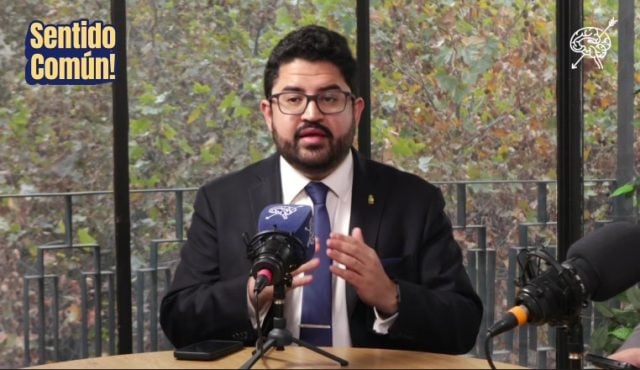
In a recent interview on the «Sentido Común» program from Canal Ciudadano, lawyer and academic Francisco Bustos described the decision allowing the dictatorship criminal César Manríquez to leave effective prison as a situation of «impunity.» He explained that this benefit was activated after the Forensic Medical Service (SML) issued a report declaring him «mentally incapacitated,» allowing his sentence to be substituted for family care or psychiatric hospitalization.
Bustos finds this decision highly questionable since Manríquez was a high-ranking intelligence officer with specialized training who could be using the pretense of mental incapacity as a last resort. The lawyer detailed that, although the SML’s assessment carries significant weight, a division of the Santiago Court ordered a new report from the Hospital del Salvador. This memory unit categorically noted incidents of a «profit-seeking attitude» in the convict, suggesting he might be feigning his health condition.
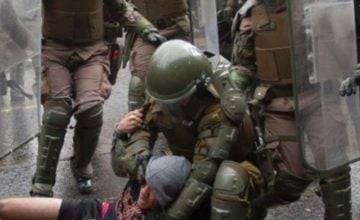
The professional emphasized that Manríquez is no minor actor; he was in charge of the Metropolitan Intelligence Brigade, which oversaw extermination centers like Villa Grimaldi. He highlighted that the former officer is linked to the disappearance of dozens of people and was a key player in Operation Colombo, a scheme where media outlets spread false information claiming that leftist militants were killing each other under the infamous headline «exterminated like rats.»
During the discussion with Javier Pineda, director of El Ciudadano, Bustos also criticized the role of the Ministry of Justice and its Human Rights Program. Bustos denounced that the state agency has abandoned its duties by stepping back from discussions about compliance with these sentences. According to him, there is a «politically motivated decision» to favor the repressors, labeling it as a serious failure of the legal assistance that the State should provide to the victims’ families.
Along the same lines, Bustos warned about the dangers of bills aimed at establishing generalized benefits for elderly criminals. The lawyer clarified that current legislation already includes mechanisms for cases of genuine terminal illnesses, thus deeming these new initiatives a «false flag operation» to conceal impunity. He clarified that the existing laws already allow genuine terminally ill individuals to die at home, indicating that these new rules merely aim to ensure that dictatorship-era genocides who do not meet the requirements receive penitentiary benefits.
The president of the Group of Relatives of Executed Political Prisoners (AFEP), Alicia Lira, echoed the criticisms against these benefits, asserting that «each decision taken by the government shocks us, as if we do not exist,» reinforcing Bustos’ thesis about the regression in justice matters.
Finally, Francisco Bustos reminded that the State has international obligations to investigate, prosecute, and sentence that cannot be fulfilled in any way. The lawyer cited jurisprudence from the Inter-American Court to explain that penitentiary benefits cannot turn into a guise of ongoing impunity, expressing concern that «they are backing off on cases due to political sympathy for the repressors,» said the human rights defender.
We invite you to watch the episode of Sentido Común!
Obtén tu Pasaporte y apoya a El Ciudadano
Elimina la publicidad, accede a contenido exclusivo y sé parte de la comunidad.
Cancela en cualquier momento · Sin permanencia
Artículos Relacionados

53 Years After the Coup, Justice Remains Out of Reach: 13 Convicted Human Rights Offenders Remain at Large
Hace 3 semanas