Original article: Toledo, Campillai, Mundaca y Olmos se reúnen junto a organizaciones sociales para construir una oposición popular al gobierno de Kast
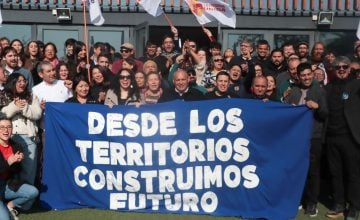
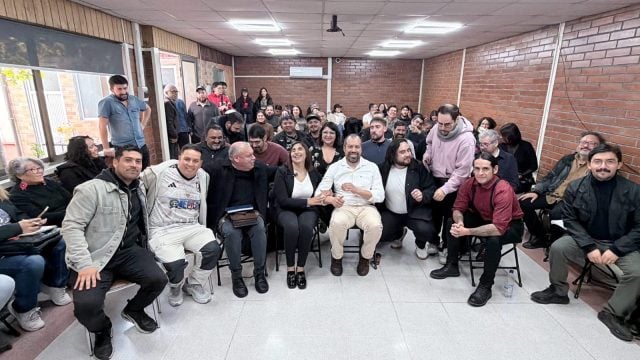
The commune of La Cisterna served as the meeting ground for Senator Fabiola Campillai, Governor Rodrigo Mundaca, and the mayors of Puente Alto, Matías Toledo, and La Cisterna, Joel Olmos, who engaged in discussions with local and national social organizations on strategies to collectively confront the government of José Kast.
In an unprecedented gathering in La Cisterna, prominent national figures convened to develop an action plan aimed at forming a robust territorial opposition against José Antonio Kast. The various voices present warned of an offensive by the wealthiest 1% of the population, the true beneficiaries of the austerity policies and tax reforms promoted by the far-right government.
Among the leaders in attendance was Rodrigo Mundaca, the Governor of Valparaíso and founder of Modatima, an organization with a strong tradition advocating for water and land rights. Also present were mayors Matías Toledo, representing the Movement for Chile, and Joel Olmos, part of La Cisterna Unida and the long-serving mayor of the host commune.
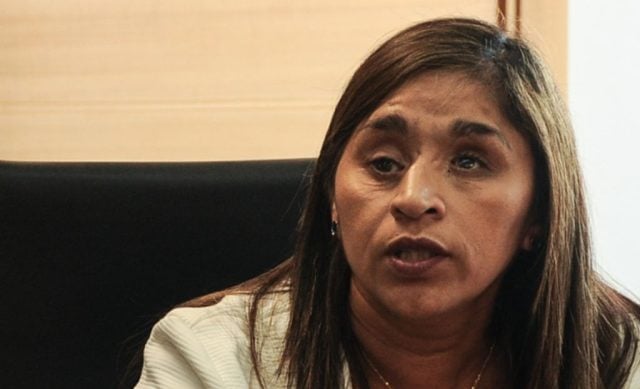
Senator Fabiola Campillai, who was elected as the most voted senator in the country representing the Metropolitan Region, participated in the meeting along with her grassroots supporters from the region.
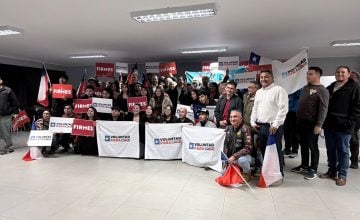
The event also included representatives from popular councils of Pedro Aguirre Cerda, Pudahuel, San Miguel, Puente Alto, Hualpén, and other communes, along with territorial organizations from various popular communities in the Metropolitan Region and regions such as Tarapacá, Atacama, Coquimbo, Valparaíso, Maule, Ñuble, Biobío, Araucanía, Los Ríos, and Los Lagos. Participants included members from political-social organizations like the Equality Party-MPL, Leftist Christians, Solidarity for Chile, Archipelago Sovereign Movement, and Ecosocialists, among others.
Throughout the day, participants emphasized the need for grassroots coordination with a strong territorial identity to effectively combat José Kast’s agenda, which primarily benefits the wealthiest 1% in the country. Critical issues highlighted included the reduction of the corporate tax rate from 27% to 23%, the repatriation of capital, the lowering of donation taxes, the elimination of the 10% capital gains tax, guaranteed payments of expenses incurred by companies denied environmental classification resolutions, and tax invariability for 25 years.
One of the initial actions from this gathering will be organizing activities in the context of José Kast’s public accountability report and actively engaging in grassroots education, both in person and through media channels, to tackle the law benefiting the wealthiest 1% (misleadingly referred to as the «National Reconstruction Law») and the proposed cuts to education, health, and other social policies that will severely impact families across the country.
This meeting lays the groundwork for future gatherings aimed at strengthening ties with social and territorial organizations that are fighting against Kast’s reforms and continue to strive for the transformation of Chile, focusing on building a society centered around wellbeing and the happiness of the Chilean people.
Obtén tu Pasaporte y apoya a El Ciudadano
Elimina la publicidad, accede a contenido exclusivo y sé parte de la comunidad.
Cancela en cualquier momento · Sin permanencia