Original article: “Tengo que adaptarme a la cultura chilena”: Lincolao abre otro flanco tras crisis, renuncias y reuniones sin registro
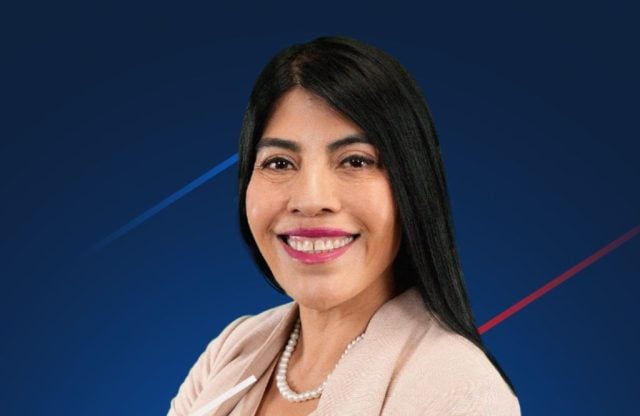
«I have to adapt to Chilean culture», asserted Ximena Lincolao, during the ongoing crisis surrounding her leadership of the Ministry of Science, Technology, Knowledge, and Innovation. Her tenure has sparked controversy due to resignations, unrecorded meetings, omitted partnerships, student protests, allegations of mass layoffs, and internal tensions within the ministry.
In an interview with T13 Radio, the State Secretary acknowledged being «surprised» by the workings of the Chilean government, including its rules and procedures.
«I have been in Chile for two months. I lived over 30 years in the United States and came every December to visit my family. So, I’m getting used to it, trying to adapt to the change,» she stated.
Lincolao responded to journalist Ramón Ulloa’s inquiries about the controversies surrounding her since taking office, particularly regarding her inability to adapt to Chilean culture and government rules, admitting that the institutional landscape of the country has impacted her.
«It’s a process, and I’m trying to learn as quickly as possible (…) I am surprised, but I also believe it’s important for me to adapt,» noted the minister, who joined José Kast’s cabinet as part of the new government’s technical narrative highlighting her international experience, expertise in technology, and business success.
«I have to learn about Chilean politics»
However, since March 11, her performance and management style in the Ministry of Science have been far from meeting the rules, procedures, transparency, and traceability required by the position, regardless of her expertise in business speed.
In the T13 Radio interview, she admitted: «I have to learn about Chilean politics».
By acknowledging her lack of knowledge about Chilean culture and government, Lincolao also highlighted that governing and bearing the responsibility of leading a ministry differs greatly from running a business.
Resignations, Internal Tensions, and Plans for Mass Layoffs
Since her appointment to the Science ministry, Kast’s minister has been at the center of scrutiny over her management style, particularly after the resignation of Deputy Secretary Rafael Araos and a significant part of the political team.
Following these departures, internal conflicts emerged over plans for mass layoffs within the ministry, an assertion that the official had vehemently denied, but which was confirmed by Araos himself, stating: «Why would I or others invent something so grotesque?»
The epidemiologist affirmed that «the order to design and execute a mass dismissal plan was real» and concurrently confirmed that his resignation stemmed from «deep fundamental and procedural differences» with Lincolao regarding how to tackle a shared challenge.
To justify this climate of tension, the State Secretary once again referred to her experience in the United States, where, according to her, «there’s a different pace», acknowledging that with Araos «there were differences in style and work«.
Lack of Transparency and Unregistered Meetings with Google and Meta
The discrepancies between her previous experience and the functioning of the Chilean government also became evident in journalistic reports that uncovered omissions in her declaration of assets and interests and the recent controversy triggered by revelations of meetings with representatives from Google and Meta that were not initially recorded in the Lobby Law platform.
Accustomed to the private sector, where a meeting can be resolved quickly via calls and direct contact, the institutional framework in our country requires that every encounter with companies, interest groups, or corporate representatives occurs with total transparency and traceability before the public.
In light of the controversy, Lincolao was questioned by La Tercera, denying any deliberate violations of the regulations, stating that it was «a virtual meeting of a technical and administrative nature», aimed at «coordinating the recovery of access to the institutional website domain console».
However, the outlet reported that advisors had warned her on several occasions that any meeting with company representatives needed to be registered, even if it hadn’t been formally requested under the Lobby Law, revealing that the issue was no longer merely a pointed omission, but a misunderstanding of public power exercise on Lincolao’s part.
Obtén tu Pasaporte y apoya a El Ciudadano
Elimina la publicidad, accede a contenido exclusivo y sé parte de la comunidad.
Cancela en cualquier momento · Sin permanencia