Original article: El vecino que construyó el sueño americano: 250 años de EE.UU. no se explican sin la inversión mexicana
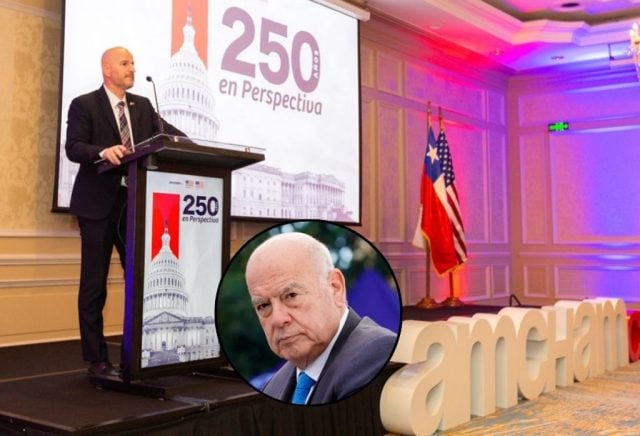
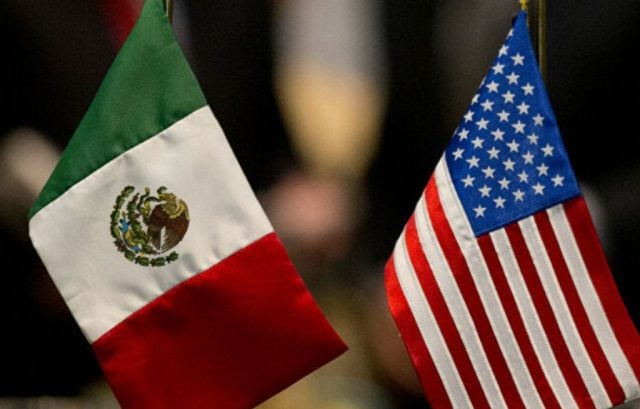
Julio places the bilateral relationship between Mexico and Washington at the forefront, coinciding with the formal review of the U.S.-Mexico-Canada Agreement (USMCA) and the celebration of America’s 250 years of independence, highlighting that the U.S. economy and the so-called «American Dream» cannot be understood without Mexican capital and labor.
The ties between the neighbors date back to 1822, just a year after Mexico’s independence was secured. Despite tensions in the 19th century characterized by territorial conflicts, the 20th century marked a radical shift in bilateral relations. The geographical proximity, with over 3,000 kilometers of shared border, has compelled both countries to think long-term and build a solid institutional relationship that has withstood various challenges over the years.
During World War II, the bracero program marked a turning point in Mexican migration to the U.S. Due to labor shortages caused by troops being sent to Europe, temporary work visas were issued to workers from the Aztec nation to fill roles in agriculture and manufacturing. This phenomenon not only gave rise to modern migratory flows but also spurred the industrialization of Mexico, leading to a period known as «the Mexican Miracle,» as noted by El Cronista.
The 1990s introduced a new chapter in economic integration. In 1994, Mexico, the United States, and Canada signed the North American Free Trade Agreement (NAFTA), which laid the groundwork for the current USMCA. This solidified North America as one of the world’s most dynamic economic regions, with Mexico emerging as the top exporter of goods to the United States, while the U.S. remains the main source of Foreign Direct Investment in the Latin American country.
Supply chains, advanced manufacturing, and the nearshoring phenomenon have strengthened this integration, creating new opportunities for businesses and investors on both sides of the border. Juan Carlos Eguiarte, Country Manager of BAI Capital in Mexico, emphasized that «today we see Mexican entrepreneurs and families not seeking to replace one economy with another, but to diversify their assets and engage in markets with financial depth, clear rules, and long-term fundamental assets.»
Beyond Trade: A Multidimensional Relationship
States like Texas, California, and Florida share a close economic relationship with Mexico, especially in industries such as advanced manufacturing, automotive, technology, logistics, and real estate investments. This physical and commercial infrastructure has allowed Mexican and American companies to increasingly operate under a regional logic, where competitiveness relies on integration rather than isolation.
The migratory factor remains a central element in this relationship. The United States is home to one of the largest Mexican communities in the world, consisting of professionals, entrepreneurs, academics, and families actively participating in key sectors of the American economy. The mobility between both countries has evolved significantly, and there is growing interest in international asset structures and regulated investment vehicles, such as the federal EB-5 Visa program, which has been in place for over three decades.
The cultural and culinary exchange fosters binational tourism that strengthens the ties between both nations. Mexico has become a preferred destination for American citizens looking to pursue professional, business, or retirement activities, while numerous Mexican companies expand their operations and presence in the United States. This ongoing interaction has led to a more sophisticated relationship where culture, capital, and people move more fluidly between both countries, as reported by El Cronista.
In this context of a bicentennial anniversary, the Mexico-United States relationship is now at a stage of maturity very different from past decades. The American Dream, for 250 years, has also been constructed by Mexican hands, talent, and investment, demonstrating that the future of both nations is inexorably tied to cooperation.
Obtén tu Pasaporte y apoya a El Ciudadano
Elimina la publicidad, accede a contenido exclusivo y sé parte de la comunidad.
Cancela en cualquier momento · Sin permanencia