Original article: Conservación, turberas y especies invasoras: importante encuentro de capacitación se realizó en comunidad de Chonchi (Chiloé)
“The Project is Incredibly Relevant”: Science and Community Unite in Chonchi (Chiloé) to Combat Invasive Species
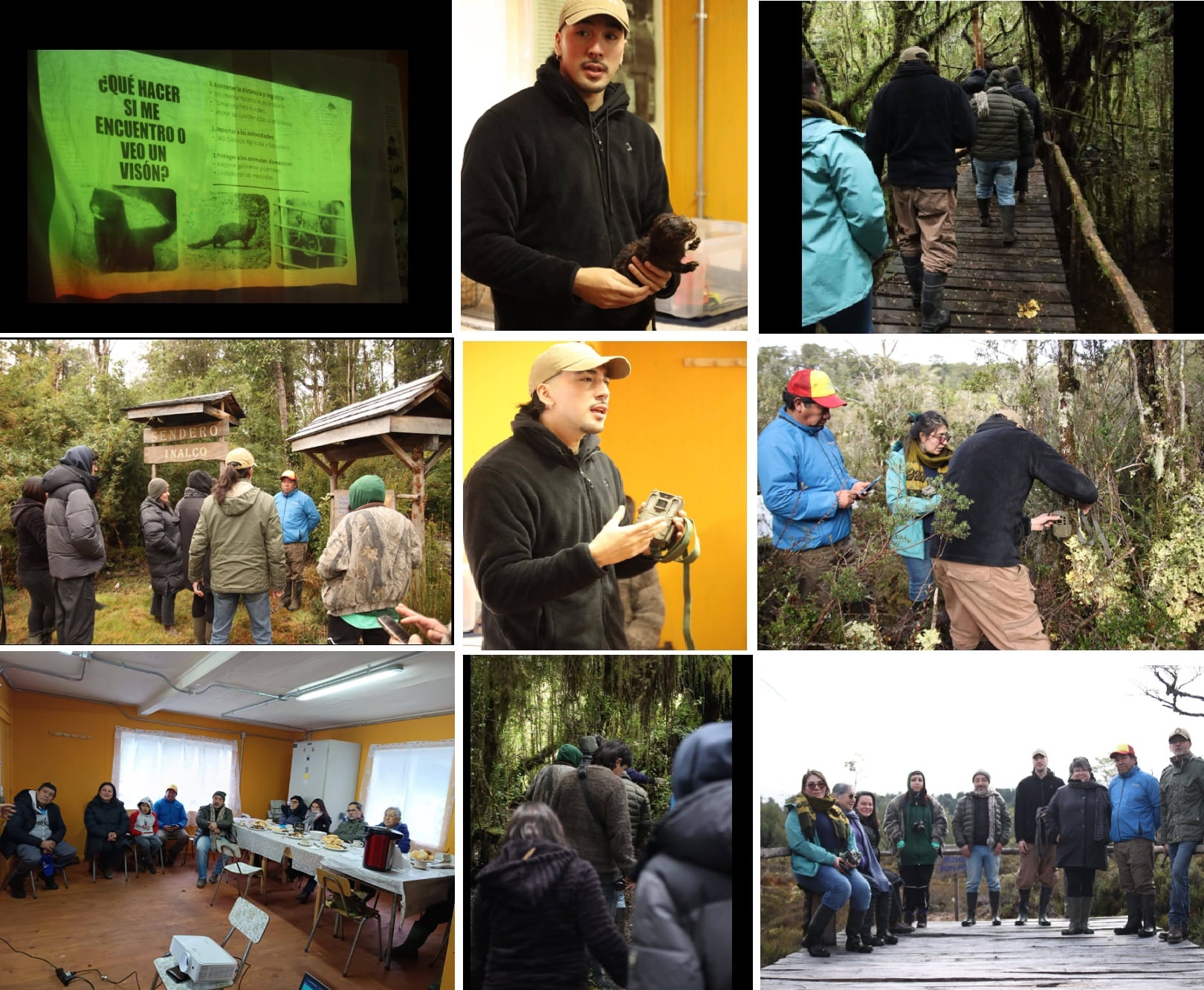
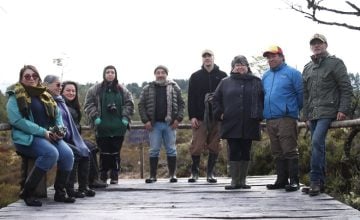
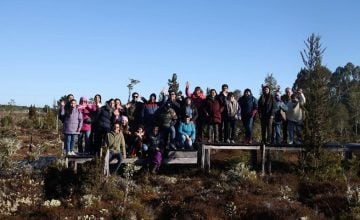
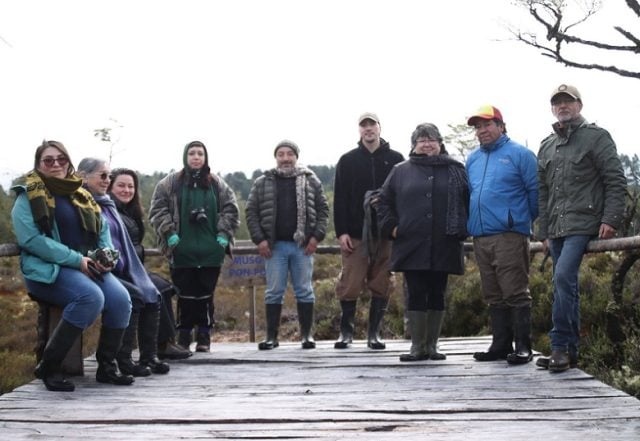
The indigenous community center Romazal in Chonchi hosted a training session organized by the NGO CECPAN, bringing together peatland owners, environmental activists, students, and local residents. The clear aim was to learn how to identify the American mink and understand monitoring strategies using camera traps in an area that houses valuable peatland ecosystems. Since 2004, the Romazal community has been the rightful owner of a 140-hectare plot granted by Conadi.
Hermes Vera, owner of the Nature Sanctuary “Turberas de Púlpito Este y Oeste”, emphasized the strategic importance of the gathering. This sanctuary, declared in 2021 alongside the Aucar and Punta Lapa peatlands, forms a crucial network for regulating water and conserving local biodiversity.
Learning and Challenges for the Community
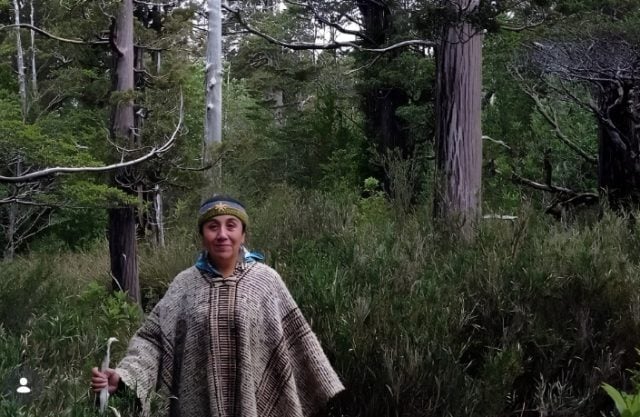
Hermes Vera pointed out: “The project is incredibly relevant for improving and maintaining the watersheds we have in Chiloé. I believe it is essential to understand our history with the territory, and projects like this make sense in that context.” Alongside his neighbor Nora Martínez, he is a guardian of the Púlpito wetlands, an ecosystem covering 243 hectares.
“The community takes responsibility for a space, a land that supports life in many ways, understanding that these are the headwaters of the Tarahuin, Coihuin, and Púlpito that converge in one river,” he added. Vera emphasized that these areas require a holistic approach that links conservation with public policies.
The Technical Perspective: Education for Action
Felipe Iturra, a natural resources conservation engineer from CECPAN, clearly articulated a key learning point: “Identifying the mink to control it, ensuring it is not confused with native species as well.” Confusion between the mink and other native animals is one of the problems targeted for eradication.
“I believe education is the primary resource to start managing the mink at least to some extent,” asserted Iturra. According to the expert, the mink is present throughout Chiloé, but not everyone knows how to recognize it, often leading to mistakes that harm native fauna.
The Call for Territorial Unity
Juan Guenuman Quelin, president of the Romazal Indigenous Community, valued the activity: “I found this workshop to be extremely valuable in our community.” Guenuman highlighted the need for such sessions to be repeated, noting that the mink has become a difficult pest to eradicate.
“I think we should also consider collaborating with the SAG, so that in the future we can have workshops with them, which provide traps to prevent the damage this animal is causing,” stated Guenuman. The leader called for a joint effort between communities and the government to tackle the issue.
A Step Forward in Conservation
The event, facilitated by CECPAN’s biocultural team, aimed to strengthen ties among local actors committed to protecting the natural and biocultural heritage of Chiloé. This initiative aligns with CECPAN’s efforts to halt the mink’s colonization in ecologically significant areas.
Participants agreed that gatherings like this are crucial for building an effective community strategy against the advance of invasive species. The experiences of local residents complemented the technical knowledge, emphasizing the urgent need for the government to take an active role in this struggle.
It is important to note that the American mink (Neogale vison) is among the most severe pests to affect Chile. Introduced in the 20th century for fur farming, the failure of that enterprise resulted in the mass release of individuals now colonizing from the south to the center of the country. Its voracity spares no species: it devastates birds, small mammals, and amphibians, directly competing with the endangered huillín and decimating rural livestock by raiding entire chicken coops. Additionally, it has the capacity to transmit diseases such as leptospirosis. Experts agree that this is not just a pest issue: it is an unfolding ecological crisis.
Obtén tu Pasaporte y apoya a El Ciudadano
Elimina la publicidad, accede a contenido exclusivo y sé parte de la comunidad.
Cancela en cualquier momento · Sin permanencia