Original article: Cartografía de Sitios de Memoria en La Araucanía: Proyecto abre nuevo ciclo para difundir archivo visual sobre la dictadura civil-militar en el territorio
The project «Memory Mapping in La Araucanía: A Photographic Approach» will enter its second phase after being selected by the Ministry of Cultures, Arts, and Heritage, through the National Fund for Cultural Development and Arts, Fondart Regional 2026, in the line of Dissemination.
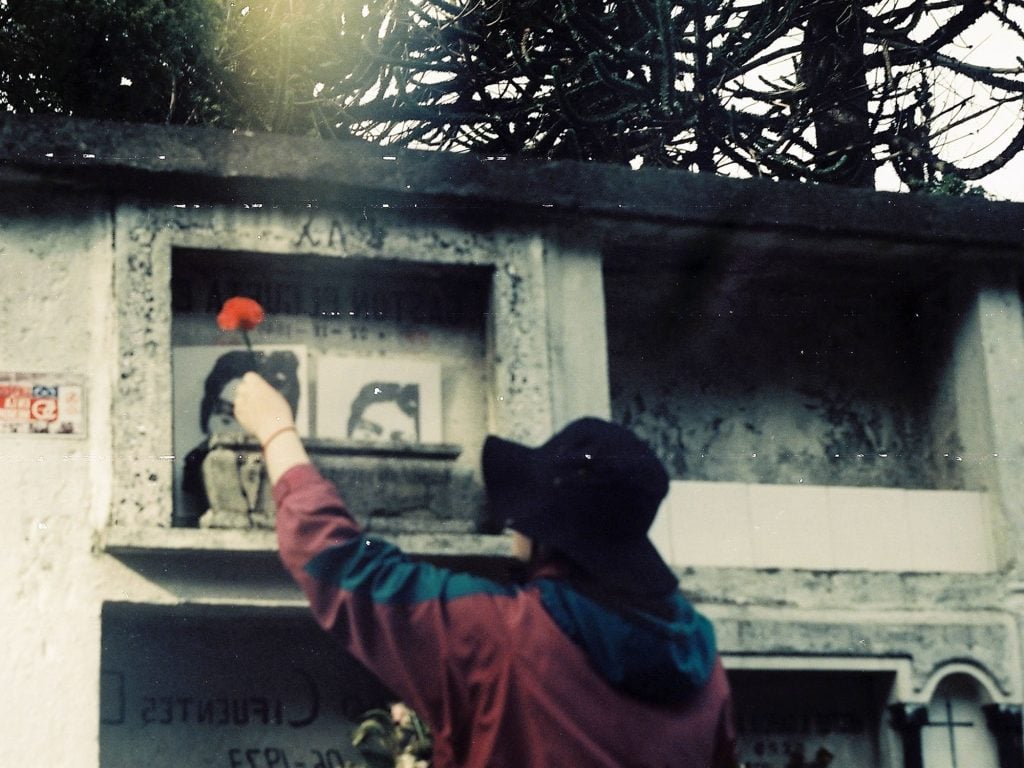
This new funding will facilitate the continuation of the work developed in 2024, aimed at recognizing and photographically recording memory sites related to human rights violations during the civil-military dictatorship in the region.
In this new phase, the project will circulate a visual and documentary archive created participatively, through a regional and national dissemination strategy that will include a website platform, a documentary, and various mediation activities.
The initiative aims to broaden public access to these contents, strengthen reflection on historical memory and human rights, and ensure that these places and the narratives they preserve are known, valued, and maintained by present and future generations.
A Sensitive Mapping Service for Human Rights
According to the project’s director, Lissette Ruiz Aravena, a visual artist with a Master’s in Photographic Creation and an expert in cultural management, the continuation of this initiative responds to an ethical and social responsibility to disseminate the valuable visual and documentary archive created during the first phase, so that the stories, testimonies, and memory sites it safeguards are known, shared, and incorporated into public space.
She believes this challenge is particularly relevant in a context marked by the rise of denialist discourses and regressive policies regarding human rights, making it even more urgent to promote knowledge, critical reflection, and the transmission of these memories.
The artist explained that «by intersecting photography and memory, we aim to establish a sensitive mapping, where the image serves as a device to foster deep dialogues and collective synergies, allowing the community to recognize the personal stories behind the statistics and narratives of their own territory.»
In this regard, she adds that this practice «also becomes vital for educating new generations, using art as a catalyst that transforms the archive into a living tool for memory construction and the protection of human rights.»
Waters of Memory: Documentary on Territory and Shared Memories
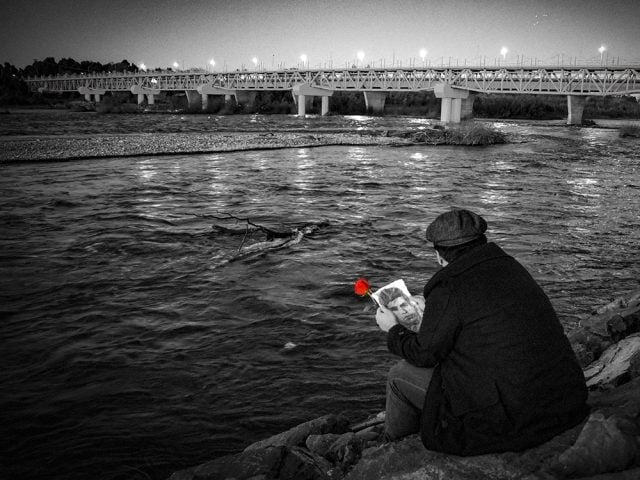
Among the key dissemination products is the documentary Waters of Memory, an audiovisual work composed of territorial capsules that will explore municipalities such as Angol, Lautaro, Temuco, Melipeuco, Villarrica, and Pitrufquén.
The production proposes a sensitive reading of the territories, understanding water as an element connecting geographies, memories, and experiences of resistance.
Alicia Hernández Zúñiga, audiovisual producer and project coordinator, emphasizes the inclusion of this new dissemination format in the project: «For us, audiovisual is a fundamental tool for memory; therefore, in this phase, we focus on creating documentary capsules in the six municipalities involved, using water as the thread that allegorically links the narratives and testimonies of our territory.»
The creator explained that water emerged as a symbolic axis of the project due to its constant presence in the narratives collected from all municipalities. Additionally, she remarked that «it is an inseparable element of the Mapuche people’s identity. Historically, it has represented the defense of territory and acquires special significance considering that La Araucanía concentrates a large number of missing persons of Mapuche origin.»
Digital Platform for Sharing and Accessing Memory
During this new phase, a collaborative and community-open web platform will also be developed, which will gather the materials generated by the project, allowing users to explore a digital mapping of memory sites, access photographic galleries, editorial publications, audiovisual resources, and educational materials specially designed for students, teachers, social organizations, and the public in general.
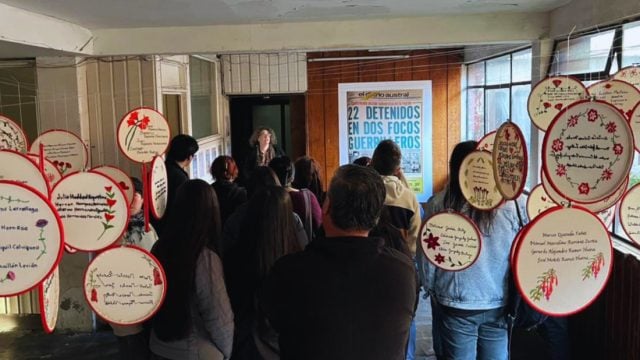
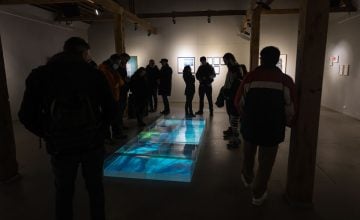
Furthermore, the photographic catalog produced during the first phase will be circulated and distributed at various in-person events included in the project, such as discussions, exhibitions, and mediation activities with human rights organizations and cultural spaces in different regions.
The project’s organizers invite the community to follow their Instagram @cartografia.de.la.memoria to stay updated on upcoming calls and activities, as well as to participate actively in the project’s development by contributing stories, memories, and content that continue to enrich this collective mapping.
Obtén tu Pasaporte y apoya a El Ciudadano
Elimina la publicidad, accede a contenido exclusivo y sé parte de la comunidad.
Cancela en cualquier momento · Sin permanencia