Original article: 200 días de gestión de Delcy Rodríguez en Venezuela: Amnistía, reimpulso económico y reconstrucción tras terremotos
The first 200 days of Delcy Rodríguez’s tenure as interim president of Venezuela have been characterized by a commitment to strengthening democracy and implementing measures aimed at improving the population’s living conditions.
The official report released by the Ministry of Popular Power for Communication and Information (MIPPC) highlights progress in national reconciliation, economic stabilization, citizen security, and infrastructure rebuilding, particularly in the context of the powerful earthquakes with magnitudes of 7.2 and 7.5 that struck the Caribbean nation on June 24.
Rodríguez took the helm of the government following a military incursion on January 3 by US forces that resulted in over one hundred deaths among civilians and military personnel, including the kidnapping of constitutional president Nicolás Maduro and his wife Cilia Flores. Since then, factors such as power dynamics, politics, oil, and the legacy of the Trump administration have been crucial in shaping the new phase of the Caribbean nation.
The political component of the interim president’s administration has been centered around the Amnesty Law for Democratic Coexistence, a legal measure that has benefited 8,084 individuals according to official figures. This initiative, aimed at fostering dialogue and alleviating internal tensions, represents an effort to de-escalate political conflicts and promote pacification in the country.
Concurrently, social protection adjustments have been implemented that directly affect citizens’ purchasing power. The minimum income has increased by 50%, reaching $240 calculated at the official exchange rate of the Central Bank of Venezuela (BCV), while pensions have risen by 40%, now totaling $70 monthly. This surge in benefits, which the report states will soon extend to the education and housing sectors, aims to mitigate the impact of inflation and restore the real wages of Venezuelans amid the repercussions of sanctions imposed by the White House.
In terms of migration and international reintegration, the Great Homeland Return Mission has facilitated the return of over 5,000 citizens thus far in 2026, while the resumption of commercial air connections with the United States, after seven years of interruption, and Venezuela’s reintegration into the global payment system are milestones indicating a gradual normalization of foreign relations and economic exchange with the world.
Venezuela’s GDP Rises 6% and Oil Production Reaches 1.2 Million Barrels
The economic report indicates a sustained growth, with official statistics documenting 19 consecutive quarters of expansion. The Gross Domestic Product (GDP) for the second quarter of 2026 recorded a 6% increase. At the same time, oil production, a historical pillar of the Venezuelan economy, reached 1,203,000 barrels per day in June, surpassing the 942,000 barrels reported in previous months.
This increase has been influenced by strategic alliances formed with international corporations such as Repsol, ENI, BP, and Chevron, along with negotiations with India that have allowed for expanded crude oil exports. The report highlights that over 120 international companies maintain active investments in Venezuelan territory.
Increase in Electricity Generation and Food Production
In terms of infrastructure, over 8,200 projects have been completed and 120 megawatts have been incorporated into the national electrical system. Food sovereignty now enjoys a 99% self-supply with domestic production, reducing reliance on imports.
In education, school enrollment has increased to over 97% and the school feeding program serves more than 2 million children daily.
Reduction in Homicide Rate
Citizen security has seen significant improvements, with the homicide rate dropping from 3 to 1.3 per 100,000 inhabitants, a decrease the government attributes to the deployment of peace quadrants across 70% of the national territory.
Response to the Earthquakes
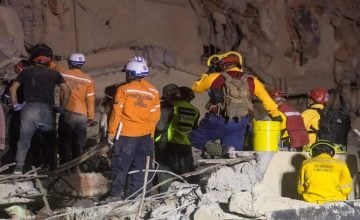
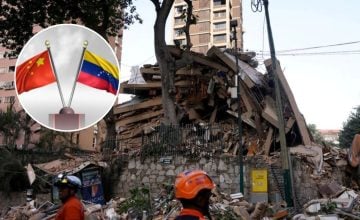
One of the greatest challenges faced during these 200 days was the emergency caused by the double earthquake on June 24, which has resulted in over 5,500 fatalities and 23,000 affected individuals. The Rodríguez government responded swiftly: within just twelve days, 107 camps providing comprehensive support were established for the victims, and $346 million was recovered for reconstruction efforts. Twenty days after the disaster, the first 200 homes were handed over in Caracas, while both public and private banks will provide loans for the purchase of houses and apartments.
The deployment of more than 30,000 prevention and security personnel, along with a large group of volunteers, maximized the state’s response capability to the emergency, earning recognition from the United Nations (UN) for its transparency and efficiency.
The oversight of these policies is conducted through monitoring mechanisms that assess their direct impact and the fulfillment of budget execution, alongside levels of oversight, which positioned the administrative performance of the management at a level deserving of the UN’s recognition for its transparency and efficiency.
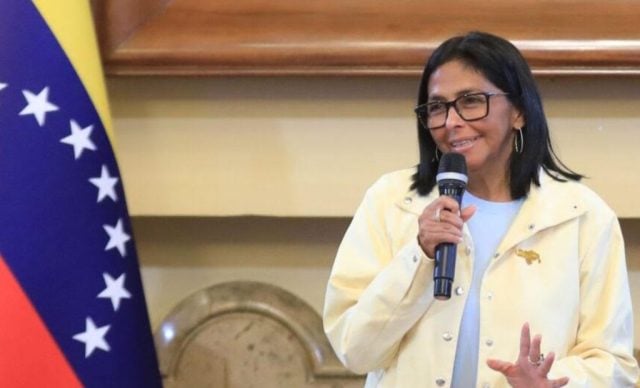
«Despite the difficulties, our people will rise, and Venezuela will be reborn with much more strength and in National Unity», Rodríguez declared recently, reaffirming her administration’s determination to advance towards the recovery of the Caribbean nation.
Obtén tu Pasaporte y apoya a El Ciudadano
Elimina la publicidad, accede a contenido exclusivo y sé parte de la comunidad.
Cancela en cualquier momento · Sin permanencia