Original article: China rechaza acusaciones de sobrecapacidad industrial y publica documento para defender su modelo de desarrollo
Beijing contends that the growth of its industry is driven by innovation, competition, and global demand, accusing certain countries of using the term «overcapacity» as a pretext for imposing protectionist measures.
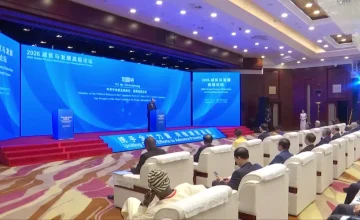
On Tuesday, China’s Ministry of Commerce released an official document titled «China’s Position on the Alleged Issue of Overcapacity», aimed at addressing increasing criticism from the United States and other Western economies regarding the development of China’s manufacturing sector.
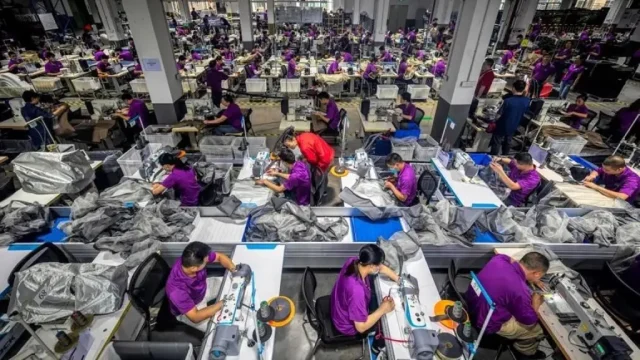
According to the Chinese government, the document seeks to «clarify the facts» and explain Beijing’s official stance in response to accusations that the world’s second-largest economy produces far beyond global demand, especially in sectors such as electric vehicles, batteries, solar panels, steel, and other industrial products.
Beijing: Innovation Drives Industrial Growth
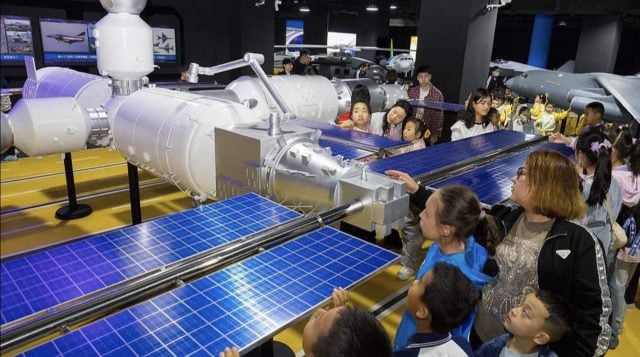
The text asserts that the rapid development of China’s industry is not the result of distorting subsidies or a strategy aimed at flooding international markets, but rather comes from technological advancement, entrepreneurial innovation, and the deepening of economic reforms initiated over the last few decades.
Additionally, it claims that the stability of China’s industrial sector is due to continuous improvements in productivity, the optimization of supply chains, and the growing competitiveness of its enterprises.
Accusations of Protectionism
A central focus of the document is the criticism of countries that have sparked the debate over the so-called «Chinese overcapacity».
According to Beijing, in a context of increasing international economic competition, some developed economies have begun to politicize trade relations, attributing to China a supposed overproduction capacity to justify new trade barriers.
The Ministry states that such accusations aim to protect domestic industries that have lost competitiveness and promote protectionist measures that are incompatible with free trade.
Four Key Themes of the Document
The report, comprising over ten thousand words and published simultaneously in Chinese and English, is organized into four main chapters:
- a review of the concept of production capacity and the term «overcapacity»;
- an analysis of four economic relationships commonly cited in this debate, including the connections between industrial subsidies, trade surpluses, economic imbalances, and international competition;
- an explanation of the Chinese model of industrial modernization based on openness and innovation;
- and a proposal to strengthen open, inclusive, and cooperative global supply chains.
Context of Growing Trade Tensions
The publication comes at a time of heightened trade tension between China and major Western economies.
The United States is conducting trade investigations that could lead to new tariffs on Chinese products, while the European Union has also stepped up trade defense measures in sectors deemed strategic, arguing that the increase in Chinese exports is affecting international competition.
In response, Beijing insists that it has never sought to maintain a large trade surplus and argues that the growth of its exports is primarily due to the competitiveness of its companies and international demand for lower-cost technological products.
In conclusion, the document states that the analysis of production capacity must be conducted from a «comprehensive, objective, and fair» perspective, considering the different stages of economic development in each country, and avoiding turning trade differences into instruments of geopolitical confrontation.
China warns that rising protectionism not only harms its economy but also threatens the stability of global supply chains and could impact global economic growth in the long term.
The Citizen
Obtén tu Pasaporte y apoya a El Ciudadano
Elimina la publicidad, accede a contenido exclusivo y sé parte de la comunidad.
Cancela en cualquier momento · Sin permanencia