Original article: “Terminemos con esta crueldad”: Cámara define este lunes si Chile pone fin a las carreras de galgos
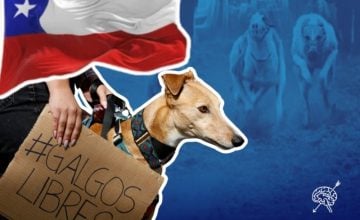
The debate surrounding the future of greyhounds in Chile reaches a crucial point this Monday. The Chamber of Deputies is set to deliberate on a legislative proposal (Bill 15387-12) that seeks to ban greyhound racing, while also considering an alternative initiative aimed at regulating and legalizing this activity.
This vote juxtaposes two starkly different viewpoints. On one side are those who argue that racing constitutes a form of animal cruelty and exploitation that must end for good. On the other side are proponents who defend its continuation under a regulatory framework. Animal protection organizations, however, maintain that the discussion goes far beyond legislation: it is about deciding whether animals will continue to be used as mere competitors or if the government will establish a clear limit against a practice they deem incompatible with animal welfare.
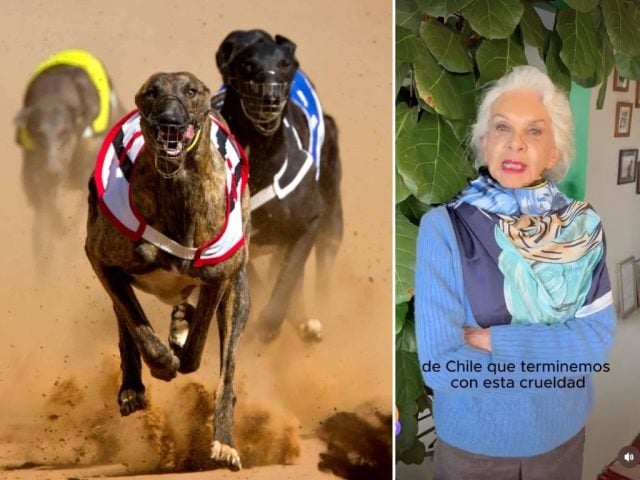
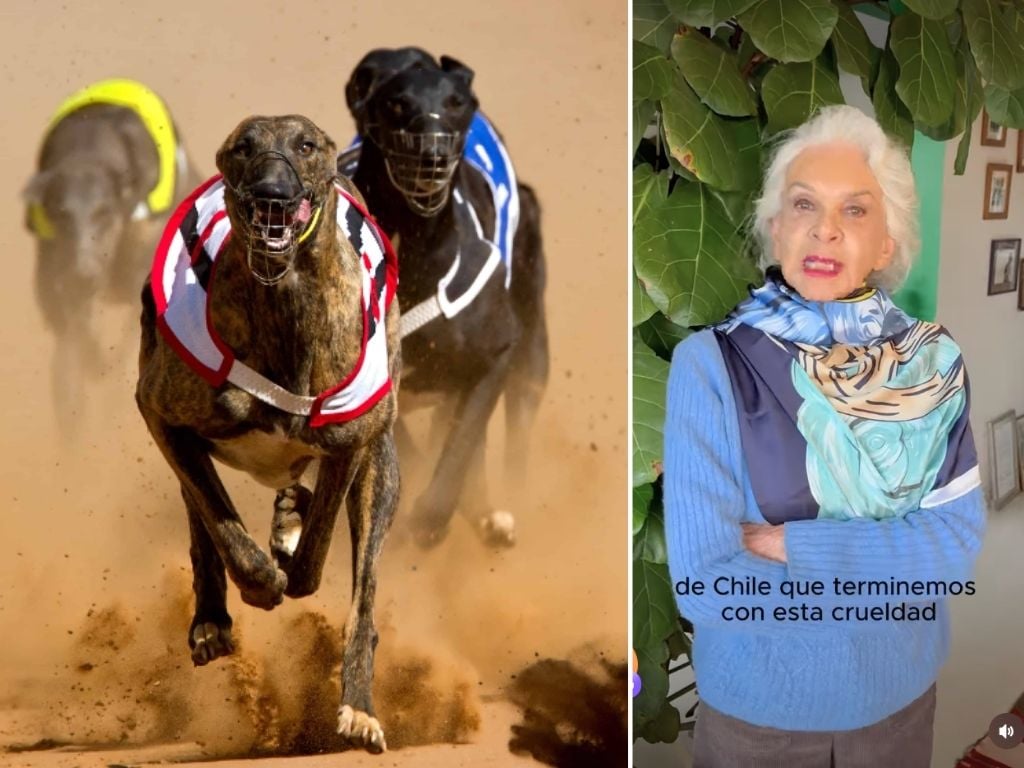
In the hours leading up to the vote, renowned actress Gabriela Hernández joined the call to pass the ban. In a video shared on social media, she stated: «Let’s put an end to this cruelty towards animals, especially towards greyhounds.»
Alongside the video, the actress wrote: «Chile has the perfect opportunity to cut greyhound racing off at the root and ban it once and for all. This isn’t just a whim: animals are not a business or a form of entertainment, especially not one funded by everyone’s money. Key votes are coming up in the Chamber of Deputies. It’s time to demand real protection for the greyhounds.»
Greyhound Racing Ban: A Discussion Long Awaited
Monday’s vote is not spontaneous. Over the years, numerous initiatives aimed at banning greyhound racing have been rejected or simply postponed in Congress, while countries like Argentina, Uruguay, and various regions of Brazil have already made strides towards its elimination.
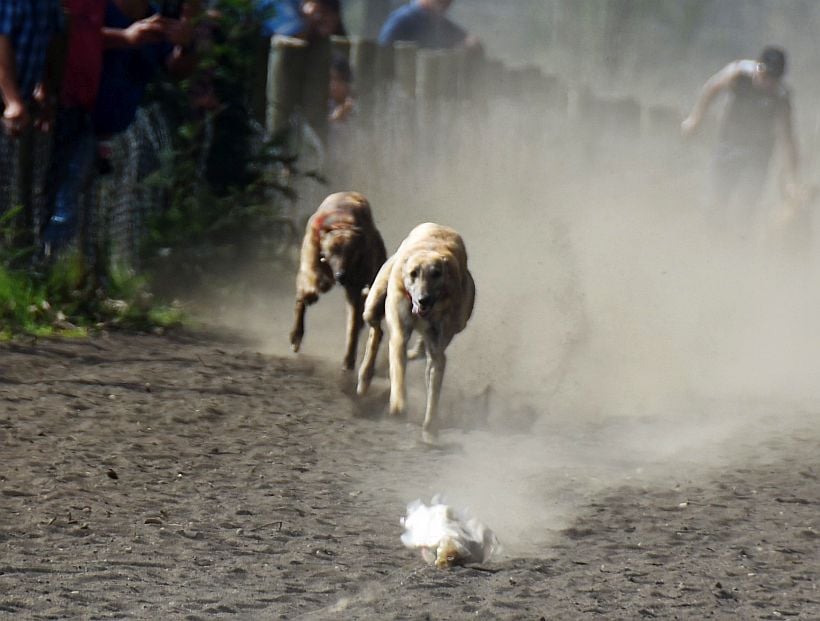
Those advocating for the ban argue that behind the competitions lies a reality rarely seen on the tracks. Thousands of greyhounds endure exhaustive training, confinement, doping, and physical demands that lead to severe injuries and even death. Dogs that don’t meet performance expectations are often discarded or abandoned, reducing their lives to replaceable commodities in a circuit focused on competition and betting.
Former Deputy Félix González, one of the lawmakers who pushed for the bill during his term, had already warned that the initiative’s progress depended not only on its legislative discussion but also on executive involvement and public pressure to prevent yet another delay.
Meanwhile, Galgo Libre has insisted that the argument of tradition cannot be used to justify animal suffering.
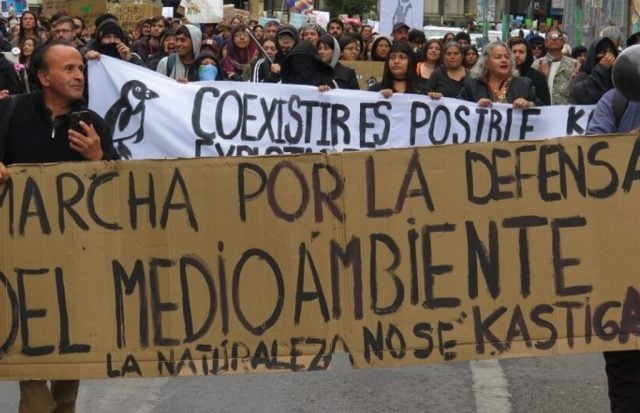
«Communities linked to racing have reacted with rejection and hostility, trying to instill the idea that it is a ‘cultural right.’ However, society at large has expressed massive support for the ban, understanding that ‘tradition’ can never justify abuse or exploitation,» stated Daniel Pacheco, spokesperson for the organization.
A Vote that Goes Beyond Congress
The decision made by the Chamber this Monday will not only define the future of greyhound racing but also delineate the position Chile wishes to take in a growing global discussion: whether animals can continue to be used for entertainment and profit when it involves suffering and exploitation.
For animal rights organizations, regulating races means keeping alive an activity whose logic depends on the performance of the dogs and, consequently, on the discarding of those who cease to be useful. A ban, on the other hand, signifies the definitive closure of a model deemed incompatible with a society that claims to advance in animal protection.
This Monday, the responsibility will lie with the deputies. Every vote will carry significance that extends far beyond regulatory discussion: it will determine whether Congress ends a practice condemned for years by animal protection organizations or opts to prolong a debate that, for thousands of greyhounds, translates into more time of confinement, exploitation, injuries, and abandonment. The parliamentary history will document that decision, but the first to bear its consequences will be the animals currently awaiting effective protection and not another postponement.
Obtén tu Pasaporte y apoya a El Ciudadano
Elimina la publicidad, accede a contenido exclusivo y sé parte de la comunidad.
Cancela en cualquier momento · Sin permanencia