Original article: Tras hasta 10 años de trámite, rechazan 4 nuevas ECMPO en Los Lagos en medio de ofensiva contra Ley Lafkenche
The Coastal Use Commission of the Los Lagos region has rejected four new applications for Marine Coastal Spaces of Indigenous Peoples (ECMPO), continuing a trend that has solidified over the past two years, driven by political and economic pressure to alter the Lafkenche Law.
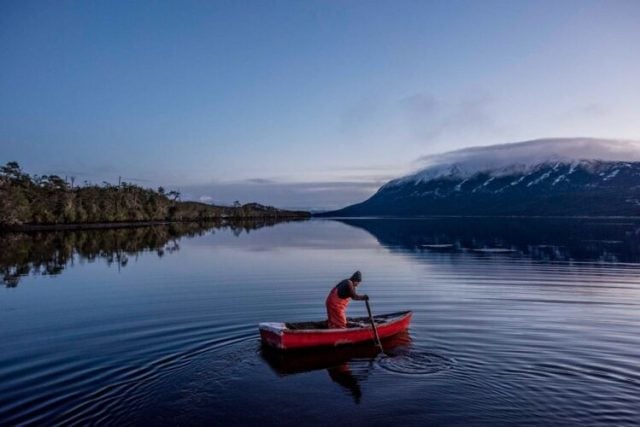
This law, enacted in 2008, protects the customary use of coastal areas, that is, traditional practices such as fishing, seaweed collection, navigation, and cultural or spiritual activities of Indigenous communities, particularly the Lafkenche Mapuche people.
According to the Citizens’ Observatory, the applications, put forth by Mapuche communities from the Puluqui-Tabón, Nercón, Isla Tranqui, and Yaldad islands, were in process for between seven and ten years, far exceeding the two-and-a-half-year maximum stipulated by the law, highlighting a delay that affected communities deem a violation of their fundamental rights.
The decision was made by the 56 commission members, chaired by Governor Alejandro Santana, and adds to a growing list of 18 ECMPO requests rejected since 2024. This behavior reflects a clear trend of systematic obstruction to the legal framework that permits Indigenous communities to manage their marine territories.
In a statement shared on their social media, the Citizens’ Observatory emphasized that this pattern of refusals occurs despite rulings from the Supreme Court, which mandate that denials be based on technical criteria rather than political reasons, a directive that, according to the organization, has been repeatedly overlooked by regional authorities.
The context of this offensive against the Lafkenche Law is characterized by active pressure from the José Antonio Kast government and the salmon industry, which are advocating for legal reforms that would change the scope of the law.
“Regional authorities have justified the rejections by claiming that ECMPO hinder economic development and that communities “abuse” the law, although they have not presented evidence to support such allegations,” the group pointed out.
Meanwhile, the Senate is processing a reform to the law without the participation of Indigenous peoples, who are the primary stakeholders affected by this change, further deepening feelings of exclusion and arbitrariness in the process.
The Marine Coastal Spaces for Indigenous Peoples, established by the Lafkenche Law (20.249), do not grant private ownership or exclusive concessions over marine territory. Their purpose is to allow Indigenous communities along the coast to manage their spaces and coordinate with other users—such as aquaculture, industrial fishing, or tourism—to ensure that no activity threatens the sustainability of their traditional practices. Currently, there are 31 active ECMPOs that operate harmoniously with various stakeholders along the coast, and there are no documented cases of abuses of the law, which contradicts the arguments made to justify the rejections and ongoing legal reform.
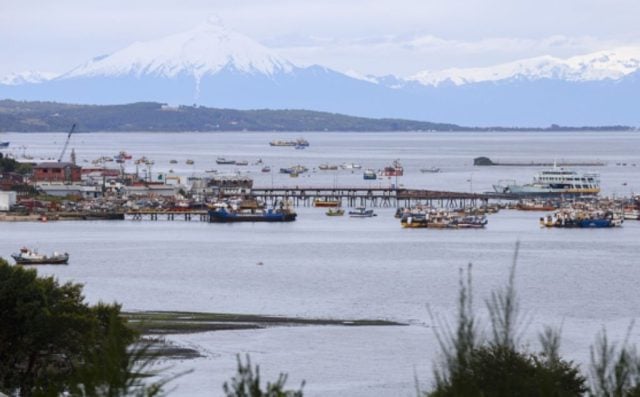
The four rejected projects represent diverse cultural and productive realities that are now left unprotected. The ECMPO Puluqui-Tabón sought to safeguard traditional fishing and seaweed collection in two islands; the ECMPO Nercón protected an area with wetlands, migratory birds, and habitat for small cetaceans; the ECMPO Isla Tranqui faced significant salmon farming and mussel farming activities; and the ECMPO Yaldad had the backing of artisanal fishermen, mussel farmers, local residents’ associations, and community organizations. All these communities, which waited between seven and ten years for a resolution, saw their efforts and patience dismissed without solid technical grounds.
The affected communities have already turned to the courts to report the delays and lack of reasoning behind the rejections, accusing a systematic violation of their rights.
The insistence on defending the ECMPOs is rooted in the fact that they are the only legal mechanism allowing Indigenous peoples to manage their marine territories and coordinate uses to ensure the continuity of their traditional activities.
Obtén tu Pasaporte y apoya a El Ciudadano
Elimina la publicidad, accede a contenido exclusivo y sé parte de la comunidad.
Cancela en cualquier momento · Sin permanencia