Original article: “Ayer borré todo por si me quitaban el teléfono”: chat muestra a Vivanco reconociendo que eliminó información antes de su detención
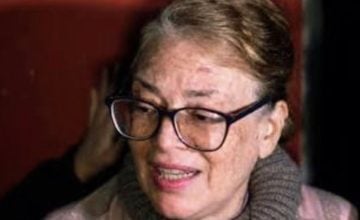
«I deleted everything yesterday in case they took my phone,» stated former Supreme Court Minister Ángela Vivanco in a WhatsApp conversation where she acknowledged removing crucial information from her electronic device the day before her arrest on January 25.
This was revealed in a 449-page report by Carabineros that has been added to the investigation into the so-called «Bielorrussian Scheme«, in which she is charged with repeated bribery and money laundering.
The document, obtained by La Tercera, was submitted on September 3 to the investigation team led by the regional prosecutor of Los Lagos, Carmen Gloria Wittwer.
The report No. 2928 concluded that in the days leading up to her arrest, the accused initiated a «transfer» of documents related to the case and deleted content from her device.
Analysis of the WhatsApp messages from the phone seized on January 25 revealed that on January 24, Vivanco began sending information to a contact listed as «Anvi Martínez». This behavior, as per the report, «is compatible with the intent to create an external backup and then delete the evidence from her own electronic device due to its proximity to her arrest».
Police officials reinforced this conclusion with communications Vivanco had with a person from the law firm that was then representing her. They noted that she had acknowledged deleting information from her cell phone in anticipation of being arrested, which indicates a tendency to eliminate potentially relevant evidence. Furthermore, they pointed out that the deletion of data from her phones constitutes a «repeated behavior, identified across various devices seized during the investigation.
The erasure of information was recorded in a conversation between Vivanco and lawyer Carlos Mora, who represented her at the outset of the inquiries. In their exchange, the former minister requested the e-book of the complaint that Valladares had asked for. When Mora declined to download it in that format, she asked for the documents and resolutions, including the complaint and its extension. «This way, I have it too because I deleted everything yesterday in case they took my phone,» Vivanco wrote. Subsequently, Mora sent her the requested information.
When asked about this point, the former minister insisted that she has always deleted messages from her various devices. «It’s the minimum privacy care that every citizen can have, especially a lawyer,» she stated.
The report also detailed that in the phonebook of the seized device, the accused has recorded contacts of co-defendants Carlos Eduardo Lagos Herrera, Víctor Gonzalo Migules Oteiza, María Pía Peñaloza López, Mario Vargas Cociña, Sergio Yáber Lozano, and Yamil Najle Alée. According to the police, keeping a contact implies recognizing that person as someone with whom communication was expected or considered possible.
Additionally, they noted that Vivanco has contacts like «Pelayo Vial Abogado Najle» and «Sergio Contreras Abogado Vargas», and that the concurrence of these contacts, considered together and within the context of the case, reinforces the hypothesis of a communication link with the environment of the accused.
However, the analysis of her mobile phone found no conversations between Vivanco and the co-defendants.
Vivanco and the Bielorrussian Doll
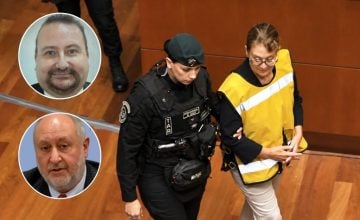
The case known as the «Bielorrussian Doll» aspect of the larger «Audio» case has had repercussions in the judicial world and resulted in the arrest of accountant Gonzalo Migueles —Vivanco’s husband— lawyer Eduardo Lagos, and his partner, lawyer Mario Vargas Cociña.
The investigation into charges of bribery, coercion, and money laundering also includes the property conservators of Puente Alto and Chillán, Sergio Yáber and Yamil Najle.
According to the complaint, the accused are alleged to have participated in a network of irregular payments to Migueles in exchange for Vivanco’s efforts on behalf of the Belaz Movitec Consortium (CBM), a Chilean-Bielorrussian company that provided services and had a legal dispute with the National Copper Corporation (Codelco) for early contract termination.
According to the evidence, former minister Vivanco, who was in the Third Chamber of the Supreme Court, would have participated in various decisions favoring the consortium in response to different protective measures, complaints, and appeals submitted to the highest court in the country, acting in violation of her duties in exchange for economic benefits received by her partner.
Obtén tu Pasaporte y apoya a El Ciudadano
Elimina la publicidad, accede a contenido exclusivo y sé parte de la comunidad.
Cancela en cualquier momento · Sin permanencia
Artículos Relacionados
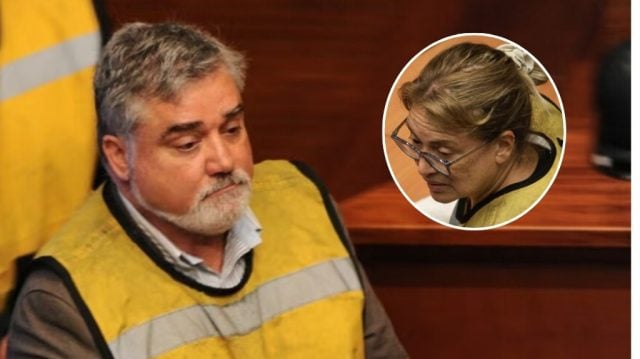
Migueles Claims Vivanco Knew of Payments Before Major Ruling Favoring Belarusian Consortium
Hace 2 semanas