Original article: Cartas al Director: Defensa y reivindicación de la paya chilena
Dear Editor:
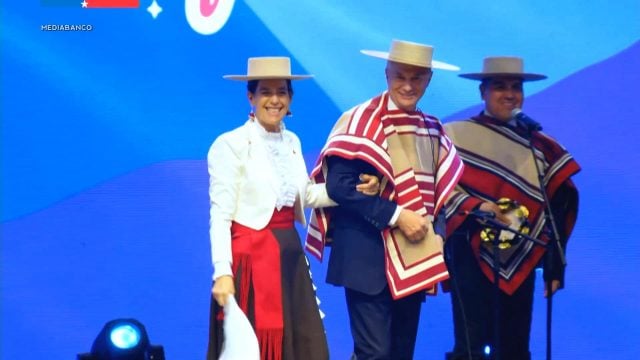
National celebrations are a time to honor our traditions, and the paya is a vital part of our cultural heritage. It is unfortunate that President José Antonio Kast has referenced it in his inaugural speech at the fondas in a manner that, in my view, misunderstands and undermines this traditional expression.
Chilean paya is not merely a tool for humor or to garner applause. It is a poetic form that necessitates mastery of a strict structure. The décima espinela and cuartetas require octosyllabic verses and a specific rhyme scheme, along with creativity, improvisation, and a command of language.
Behind these verses lies technical knowledge that our popular poets and payadores have cultivated over the years.
This is especially contradictory given that Chile is proposing the Canto a lo Poeta for inclusion on the UNESCO Representative List of the Intangible Cultural Heritage of Humanity, with the paya being one of its three branches, alongside the canto a lo humano and canto a lo divino.
One must ask what sense it makes to promote this tradition internationally while our own authorities seem unaware of its characteristics and the distinction between true paya and simple rhymed compositions.
It is also necessary to question the Ministry of Cultures, Arts, and Heritage, along with the National Service of Cultural Heritage, for their insufficient guidance on this matter. It is not enough to simply propose a tradition to UNESCO; its authorities must understand, protect, and respect those who keep it alive.
The paya deserves respect and should not be used as mere decoration in a political speech.
Hugo Contreras Gómez
Secretary of the National Guild Association of Popular Poetry Workers, Poets, and Payadores of Chile, AGENPOCH.
Obtén tu Pasaporte y apoya a El Ciudadano
Elimina la publicidad, accede a contenido exclusivo y sé parte de la comunidad.
Cancela en cualquier momento · Sin permanencia