Original article: Mientras persiste el déficit habitacional, MINVU abre línea inédita de $5.900 millones para centros comunitarios de culto
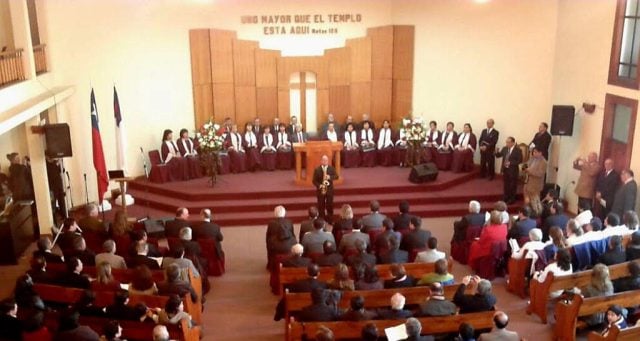
Amid the ongoing housing crisis that plagues Chile, the Ministry of Housing and Urbanism (Minvu) has launched a new initiative specifically for Worship Community Centers under the DS27 program, allocating 143,800 UF, equivalent to approximately $5.9 million, to finance 22 projects nationwide.
This initiative is part of the 2026 launch of the Housing and Neighborhood Improvement Program, announced by Housing Minister Iván Poduje, as a component of the «Employment Mode» reactivation strategy from the government of José Antonio Kast.
These funds will be directed towards financing infrastructure for religious organizations, including spaces for worship, workshops, meetings, and community activities, as reported by Revista Tierra Bella.
According to the state secretary, this program has been available in the ministry, but it has been strengthened as part of the job activation efforts. He also stated that it is “the first time” that churches can apply via social organizations for community worship facilities, which he called a “deeply felt demand from the communities.”
Applications must be submitted through neighborhood organizations and Sponsoring Entities, which will be responsible for presenting the projects to Minvu.
According to the cited outlet, the DS27 2026 program represents a total investment of 10,765,825 UF, around $400 million, to address 68,456 housing units, fund 169 community facility projects nationwide, and create 19,431 jobs.
In concrete terms, state funding for initiatives associated with Worship Community Centers represents approximately 1.3% of the total committed resources.
Construction of Worship Community Centers Amid Housing Deficit
The launch of this unprecedented initiative has sparked controversy, as thousands of families organized in housing committees continue to wait for housing solutions and additional resources to tackle the severe housing deficit estimated by various sources to be in the hundreds of thousands of units nationwide.
This specific measure to promote the construction of religious infrastructure has ignited debate regarding public investment priorities by the Kast administration within a context of strong unmet housing demand.
Obtén tu Pasaporte y apoya a El Ciudadano
Elimina la publicidad, accede a contenido exclusivo y sé parte de la comunidad.
Cancela en cualquier momento · Sin permanencia