Original article: El cobre bajo en carbono empieza a negociarse por separado: ¿se reevaluará el valor ecológico del cobre reciclado?
BHP and Amazon’s pilot project introduces a groundbreaking approach by separating verified emission reductions from the physical copper trade. This initiative provides low-emission primary copper with a new source of environmental value. While recycled copper maintains a significant energy advantage, its future competitiveness may increasingly hinge on traceability, recycled content, and verified carbon data, adding an environmental dimension to pricing.
The low-carbon attributes of copper are starting to be distinguished from the physical trading of the metal.
On September 22, BHP and Amazon announced a pioneering pilot project in the sector, establishing «Environmental Attribute Certificates» (EACs) for copper concentrate and cathodes produced at Escondida, one of the world’s largest copper mines operated by BHP. Amazon will be able to purchase and cancel these certificates to offset emissions associated with the copper used in its data center infrastructure.
The central mechanism of this pilot is known as the «Book and Claim» model: emission reduction attributes are traded separately from physical copper. A company can buy EACs to support low-carbon production without needing to physically acquire copper from Escondida. Conversely, the existence of one ton of EACs does not mean the buyer is consuming copper from that specific mine.
This raises a crucial question worth analyzing: if primary copper can also attain independent low-carbon value through a certificate system, does this weaken the environmental advantage of recycled copper, which has long been credited with saving «85% energy»?
The «Blind Spot» of Carbon in Physical Copper
To understand the importance of this pilot, one must first grasp a structural dilemma in the copper supply chain.
One ton of copper goes through multiple stages from the mine to the end user: concentration, smelting, refining, processing, and manufacturing. Copper from different mines and processes gets mixed and remixed at each of these stages. For a car manufacturer, a network equipment supplier, or a data center operator, tracking precisely which mine the lot of copper they purchase came from and its carbon footprint is nearly impossible.
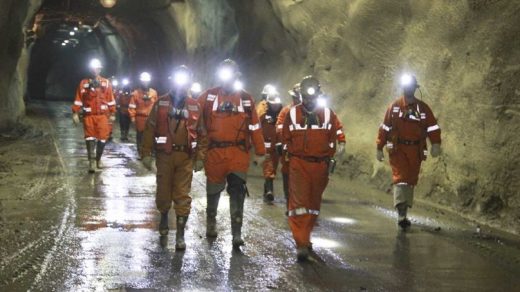
The case of Escondida offers a clear example. This copper mine has been operating on 100% renewable energy since 2022, drastically reducing its operational emissions. However, these low-carbon attributes get diluted in the complex flows of international trade once the copper concentrate leaves the mining area. Although Amazon might want to pay a premium for low-carbon copper, it would find it difficult to ensure they are physically purchasing «that» low-carbon copper.
The EAC pilot seeks to address this issue. Michiel Hovers, Sales and Marketing Director at BHP, stated, «As global copper demand grows, customers and end-users are increasingly concerned about supply security and want to acquire credible, verifiable sustainability attributes.»
Amazon will be able to use these EACs to offset emissions from copper used in its electrical, cooling, and computing infrastructure, including printed circuits, chips, interconnects, and cold plates that support AI operations.
BHP classifies this model as «in-setting» rather than «offsetting» because the certificates are limited to emissions within the copper supply chain itself, rather than generic reductions anywhere. The pilot will also test eligibility criteria, governance frameworks, and safeguards against double counting.
Does the «Natural Advantage» of Recycled Copper Still Suffice?
The environmental narrative of recycled copper has always been built around one simple yet powerful figure: recycling copper requires about 85% less energy than producing primary copper. According to the International Copper Association, global copper recycling prevents approximately 40 million tons of CO₂ emissions annually, equivalent to 100 million megawatt-hours of electricity.
However, this figure conceals a key differentiation.
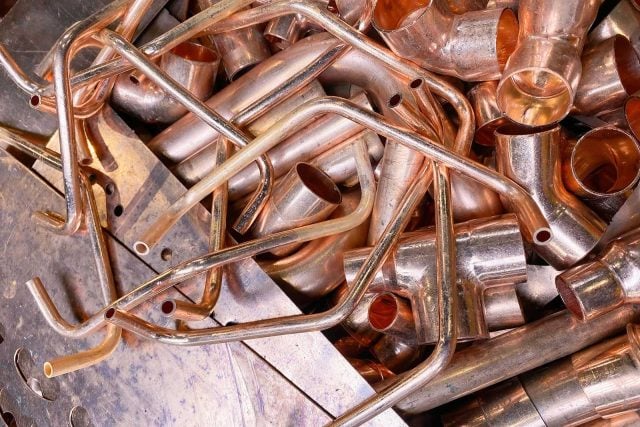
Not all scrap copper holds the same environmental value. High-grade scrap, like Millberry, can be processed directly through shorter paths and quickly returned to the production cycle. In contrast, mixed waste, complex materials containing copper, and electronic waste require additional dismantling, sorting, smelting, and refining steps, each increasing energy consumption and emissions.
This means that when a recycled copper company claims their product is «low-carbon,» the evidence backing that claim can vary significantly. A clean copper strip from closed-loop recycling and a batch of copper refined from electronic waste after multiple processes can differ in carbon footprint by several multiples.
The emergence of the EAC pilot sharpens this issue. If primary copper can meet some of the downstream decarbonization demand through a certificate system, recycled copper ceases to be the only low-carbon buying option. Its environmental value will increasingly depend on «verifiable sources, recycled content, energy consumption in processing, and carbon footprint data.»
An analysis by Shanghai Metals Market (SMM) notes that in the short term, the pilot is unlikely to directly raise the price of copper scrap. Scrap pricing will continue to depend primarily on copper content, recovery rates, impurities, freight, and taxes. A standardized «green premium» has yet to emerge.
However, the long-term change could be more profound. SMM suggests that recycled copper could assume two types of value in the future: the basic metallic value and an environmental attribute value based on traceability, recycled content, and verified emissions.
From «Intrinsically Low-Carbon» to «Demonstrably Low-Carbon»
The essence of this transformation is that the standard for proving low-carbon emissions claims is being raised.
SMM provides a precise synthesis in its analysis: competitiveness will increasingly depend on how «intrinsically» low-carbon a material is, and more on whether the company can demonstrate that it truly is: if it can verify the source of the raw material, the recycled content, the processing route, and the carbon emissions.
What does this mean for the recycled copper industry?
Materials with clear origins, stable quality, and reliable carbon data will have better opportunities to enter the supply chains of major copper transformers, car manufacturers, network equipment companies, and data center operators. Materials with unknown origins or insufficient documentation, even if they contain the same copper content, may face higher verification costs or purchasing restrictions.
This is already driving some structural changes. According to SMM’s analysis, the pilot could encourage more long-term purchasing agreements and more closed-loop recycling. While global copper scrap generation may not decrease, the amount of high-grade and traceable material available in the open market could shrink.
Pioneering Signals from Chinese Companies
Notably, some leading companies in the Chinese recycled copper sector have already begun to position themselves in this direction.
Ningbo Jintian Copper is one of the largest companies in China in terms of the volume of recycled copper used and has built a complete closed-loop industrial chain encompassing «recovery-sorting-refining-advanced processing,» with the capacity to recycle 600,000 tons of copper annually. The company claims to purify complex recycled copper to a purity exceeding 99.997%, surpassing that of primary mine copper, to meet the performance requirements for high-end manufacturing.
Even more significant is the development of data capabilities. Jintian Copper has established a high-precision carbon footprint accounting database, completed carbon footprint certification across its product line, and holds multiple environmental certifications, including SCS Kingfisher recycled content certification, Global Recycled Standard (GRS) certification, and Life Cycle Assessment (LCA) carbon footprint certification. Its low-carbon recycled products have already been recognized by numerous Fortune 500 companies.
These certifications and data systems will transition from being an «added value» to a «frontline condition» as the EAC-type logic becomes predominant.
What Can a Certificate Change?
The BHP and Amazon pilot is limited in scale and, in the short term, will not alter the flows of physical copper trade nor immediately create a mature market for low-carbon copper derivatives.
However, its symbolic significance lies in the fact that the «environmental value» of copper is being financialized and certified, separating from the physical good to become something that can be priced and traded independently.
For recycled copper, this presents both a challenge and an opportunity. The challenge is that «low-carbon» is no longer its exclusive label; the opportunity lies in the fact that if recycled copper companies can build similarly rigorous verification and traceability systems, their energy advantage—a savings of 85%—could become an even more compelling asset within the certificate system.
What could actually be reevaluated may not be the recycled copper itself, but the traceability and environmental attribute data that supports it. Traditional metallic value remains the basis for pricing, but environmental attributes are becoming an additional dimension taking shape in copper pricing.
When the «green» of a ton of copper can be priced separately, copper that cannot demonstrate its «greenness»—whether primary or recycled—could face a discount. And companies capable of providing a complete chain of evidence will lead the way in this new pricing game.
Obtén tu Pasaporte y apoya a El Ciudadano
Elimina la publicidad, accede a contenido exclusivo y sé parte de la comunidad.
Cancela en cualquier momento · Sin permanencia