Original article: Más descanso y mismo sueldo: Brasil aprueba histórica reforma laboral impulsada por Lula que pone fin a jornada 6×1
The Brazilian Senate approved a landmark labor reform today, championed by President Luiz Inácio Lula da Silva, which abolishes the 6×1 work schedule and ensures more time off at the same salary.
This measure, long sought by union and grassroots movements, adds an extra day of rest and reduces the weekly work limit from 44 to 40 hours without any salary cuts.
Upon its promulgation, the new law will enforce a 40-hour workweek, distributed over five workdays and two days off, while maintaining salary levels. Additionally, it will feature a gradual implementation to aid businesses in adjusting: transitioning to 42 hours in two months and reaching 40 hours in one year.
Following the new law’s enactment, it will establish a valid limit of 40 hours per week, with two days off, without affecting employee salaries. It includes a progressive implementation strategy to assist in the adjustment, moving to 42 hours within two months and to 40 hours within a year.
Recognition of Lula’s Leadership in Advancing the Reform
The passing of the reform, which was approved five months ago by the Chamber of Deputies, comes just over a week before the October 25 runoff, where Lula seeks re-election against the far-right Flávio Bolsonaro.
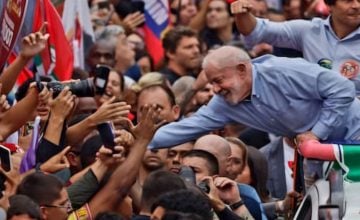
After the Senate vote, the progressive bloc cheered with the chant «ole, ole, ola, Lula, Lula», acknowledging the president’s leadership in defending labor rights. According to unions, over 22 million workers will see their working hours reduced without income loss.
«We fought, debated, and pressured to ensure Congress would vote this year to end the 6×1 shift. But it was the people’s voices that guided me to help us collectively achieve more time to rest, spend with our children, and be with our loved ones,» the progressive leader stated in a message posted on his social media account celebrating the historic reform’s approval.
Accusations of Opportunism Against Bolsonaro
Bolsonaro, on the other hand, was forced to change his stance on the law due to electoral pressure. However, his platform includes several unpopular measures, cuts to social spending, and the dismantling of the state through privatization policies.
This shift from the presidential candidate of the Liberal Party (PL) has been labeled as opportunism by progressive senators, who warned of the potential for him to change his position if elected.
«We must stay vigilant to prevent setbacks in the future,» said government spokesperson in the Senate, Teresa Leitão (PT-PE), while the President of the Senate, Davi Alcolumbre, emphasized the positive impact of the measure for «millions of people from various realities within the country.»
He clarified that the reform advocated by Lula is not an electoral calculation, but rather «a conception of life, of work, of society», as noted by TeleSUR.
In fact, the Lula administration is developing a regulatory decree that will be published shortly after the law’s promulgation, which will establish a calculation for hourly wages for workers under the intermittent regime created by the labor reform.
Simultaneously, there are plans for special activity schedules related to the oil sector, aviation, security, and health, among others, to continue being negotiated by unions, while ensuring that existing collective agreements receive amendments and updates and are extended until the set deadline, in compliance with the new regulations.
Obtén tu Pasaporte y apoya a El Ciudadano
Elimina la publicidad, accede a contenido exclusivo y sé parte de la comunidad.
Cancela en cualquier momento · Sin permanencia
Artículos Relacionados

Strengthening Social Rights: Lula and Mamdani Exchange Insights on Popular Supermarkets and 40-Hour Work Week
Hace 3 semanas