Original article: Francia declara toque de queda en varias ciudades ante estallido social
Prime Minister Sébastien Lecornu has announced nighttime restrictions, characterized as «very limited» and «localized» in Paris and other cities, after a weekend of riots that resulted in nearly 2,400 arrests, around 1,000 injured officers, and approximately 3,000 looted businesses. Macron acknowledges «failures» in police preparedness, rejects calls for the Interior Minister’s resignation, and currently rules out declaring a state of emergency, while the «yellow vests» have already called for a new protest next Saturday.
The Citizen
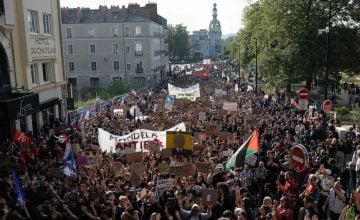
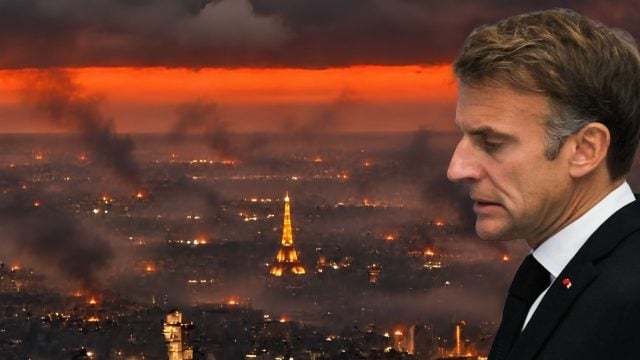
France awoke on Monday, October 19, 2026, to a cityscape marked by shattered shop windows, burned containers, and graffiti-covered facades. The country is grappling with what is being described as one of the worst waves of unrest in its recent history, sparked alongside massive protests against the rising cost of living that took place across the nation on Saturday, October 17. The government has responded with a series of partial curfews in various cities, including the capital, to prevent the recurrence of «urban guerrilla» episodes and looting that left extreme violence in Paris, Lyon, Marseille, and other cities.
Measures: «Very Limited» and «Localized» Curfews
Following an inter-ministerial crisis meeting, Prime Minister Sébastien Lecornu announced that he has instructed prefects—the government representatives in each department—to implement «very limited» and «localized» curfews in cities to «prevent new riots and looting.» Lecornu clarified that the final map of affected areas would be released later on Monday after prefects consult with mayors of the involved municipalities.
Initial concrete measures are already on the table. In Paris, the government is considering prohibiting nighttime movement in particularly symbolic or heavily trafficked areas like Les Halles, Châtelet, and Place de la République. Lecornu remarked that «some locations, whether due to their symbolism or because they are transit hubs like Les Halles, are particularly problematic.» In Marseille, one of the most impacted cities, the prefecture has banned demonstrations between 12:00 PM and 8:00 PM on Monday. Additionally, in Denain, a northern town near the Belgian border, Socialist Mayor Anne-Lise Dufour-Tonini has already instituted a nighttime curfew for minors and adults from Sunday, October 18, to Sunday, October 25, prohibiting movement from 9:00 PM to 6:00 AM.
The government emphasized that these restrictions will not affect the UEFA Champions League match between Paris Saint-Germain and Barcelona, scheduled for Tuesday in the capital.
Trigger: The Revolt Against the Cost of Living
The crisis originated from a wave of protests that began weeks ago as a student movement against poor conditions in high schools and a lack of teachers, which on Saturday, October 17, merged with broader social discontent over inflation, declining public services, and loss of purchasing power. The marches saw participation from the «yellow vests», the movement that rocked France in 2018 and has now resurfaced vigorously: two-thirds of the French support its revival, according to surveys cited by Colombian media.
Wealth concentration in France is extreme and continues to rise. According to Insee, the top 10% of households holds nearly half of the entire country’s gross wealth, with an average wealth exceeding €857,700; at the top, the wealthiest 1% exceeds €3 million, while the bottom 10% has an annual income of less than €6,200. This wealth gap is also reflected in income disparities: the Gini coefficient stands at 0.297 and is on the rise, indicating growing inequality. The most striking statistic comes from Oxfam: the 53 richest fortunes in France hold more wealth than 32 million people—almost half the population—and a single billionaire earns the average annual salary of a French worker in 24 minutes.
Participation in the French social uprising was massive. Authorities estimated 550,000 demonstrators nationwide, while the CGT union raised the figure to 800,000. Most protests were peaceful, but hooded groups dressed in black infiltrated the ranks, unleashing waves of looting, arson, and clashes with police. In Paris, the Place de la République, the starting point of the demonstrations, was the scene of confrontations with security forces.
The provisional toll is severe: nearly 2,400 arrests nationwide and around 1,000 injured officers, according to government figures compiled by Infobae. Other sources place the number of arrests at 2,000 and the count of police, gendarmes, and firefighters injured at 600. Media reports described scenes of «urban guerrilla» warfare and «massive looting» affecting around 3,000 businesses, in addition to town halls and other public buildings.
Where and How Are Curfews Being Applied?
Unlike a national curfew, the measures are being coordinated with local prefects and mayors, so the final map of affected areas will be known later on Monday. Confirmed or under-consideration measures include:
- Paris: Restrictions are being considered to prohibit nighttime circulation in especially symbolic or high-traffic areas like Les Halles, Châtelet, and Place de la République. The goal is to avoid gatherings and looting in these locations.
- Marseille: One of the most affected cities. A ban on demonstrations and gatherings from 12:00 PM to 8:00 PM on Monday has been issued.
- Denain (North, near the Belgian border): Local authorities have already decreed a nighttime curfew for the entire population from 9:00 PM to 6:00 AM, from Sunday, October 18, to Sunday, October 25. The Socialist mayor justified the measure after acts of violence that included attacks on police with stones and fireworks.
- Other cities under scrutiny: Local officials are also evaluating or implementing measures in Lille, Lyon, and the communes of Pointe-à-Pitre and Les Abymes (Guadeloupe).
The Citizen
Obtén tu Pasaporte y apoya a El Ciudadano
Elimina la publicidad, accede a contenido exclusivo y sé parte de la comunidad.
Cancela en cualquier momento · Sin permanencia