Original article: Recortes millonarios a Ley Ricarte Soto y vacunación: Presupuesto de Salud de Kast enfrenta cuestionamientos en el Congreso
In light of significant cuts to the Ricarte Soto Law and vaccination initiatives, the 2027 Health Ministry budget proposal put forth by José Antonio Kast’s administration is facing serious questions in Congress.
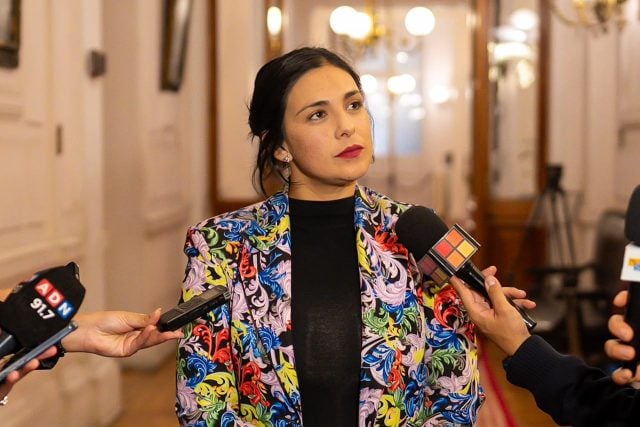
The Joint Budget Commission reviewed the department’s allocation for the upcoming year, which indicates a real increase of 4.7% and a total budget of 18.3 trillion pesos. Although Health Minister May Chomali defended the project by arguing that it includes approximately 830 billion pesos more compared to the previous year, Senator Karol Cariola (PC) dismissed any claims of real expansion, denouncing the severe cuts applied to high-impact social programs.
«Talk of an increase is misleading; in reality, spending remains stagnant. The budget is frozen,» she criticized.
One of the most controversial budget reductions affects the Ricarte Soto Law, a critical mechanism designed to finance high-cost treatments and complex diagnoses. The proposal presented by La Moneda includes cuts exceeding 28 billion pesos, translating to a decrease of nearly 14.5%.
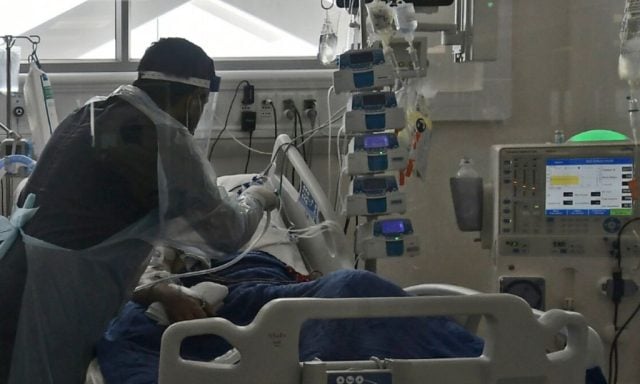
In response to this funding cut, Senator Juan Luis Castro requested a separate vote on the item, warning that Kast’s government decision jeopardizes 85,000 patients benefiting from the law. «This isn’t just an administrative adjustment; this is a direct impact on patients,» he asserted.
Amidst the ongoing controversy, Minister May Chomali suggested that the budget fund will reach its resource limit this year due to a surplus of patients exceeding those exiting medical schemes.
Given this scenario, she indicated that the Executive opted to protect current users’ care by halting the inclusion of new conditions for existing coverage. To address the structural deficit, the State Secretary announced plans to present a project to amend the law to adjust resources to meet rising demand.
However, the president of the Medical College (Colmed), Anamaría Arriagada, expressed concern, highlighting the standstill in the introduction of advanced therapies and the growing frustration among scientific societies unable to update existing protocols.
«We see that financial sustainability is at risk; no new diseases are included, no new treatments are added,» she charged.
Critiques from unions also focused on the insufficiency of the monetary update mechanism, as the high-complexity fund has only been adjusted according to the Consumer Price Index since 2017.
Arriagada urged the Government to inject more funds to expand effective protection to the public.
«We need more drugs, better drugs, improved protocols, and more diseases to be included to genuinely protect patients,» she warned.
Cuts to Vaccination Programs
On another note, the allocation for the National Immunization Program will face a cut of 9.696 billion pesos. To ease concerns, Deputy Minister Alejandra Pizarro Ibáñez assured that there would be no vaccine shortages in the national network, stating, «No vaccines will be cut; no one will lack vaccines.»
She attributed the reduction to efficient logistical planning, minimized losses of supplies, enhanced coverage, and the adoption of new technologies.
The sustainability of the immunization strategy was also scrutinized following irregularities identified by the Comptroller’s Office regarding expired doses. Consequently, Senator Juan Luis Castro proposed the need to adjust public acquisition mechanisms and supported the item undergoing individual voting, as reported by Diario U. de Chile.
Regarding primary healthcare, the discrepancies centered on the amount of per capita adjustment, which includes a nominal increase of 630 pesos per patient, of which only 218 pesos represent a real increase after deducting inflation, based on a baseline that exceeds 13,000 pesos.
Finally, the parliamentary debate addressed the controversy surrounding the elimination of 77 funding glosses, fundamental tools for Congress to oversee and track budgetary goals in the health sector.
With the participation of union leaders and patient groups, discussions in the Joint Budget Commission conclude on Tuesday, October 20, the date set for the decisive vote on the health budget allocation.
Obtén tu Pasaporte y apoya a El Ciudadano
Elimina la publicidad, accede a contenido exclusivo y sé parte de la comunidad.
Cancela en cualquier momento · Sin permanencia