Original article: Concluyó expedición NIMOx: Investigadores chilenos vuelven de la Fosa de Atacama con datos inéditos del océano profundo
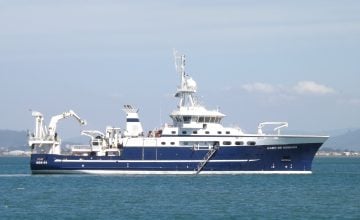
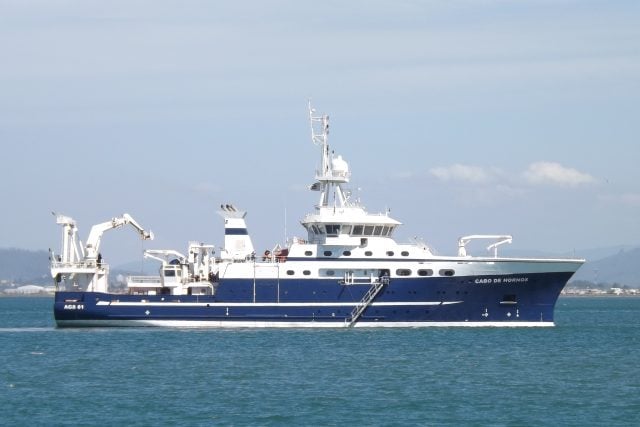
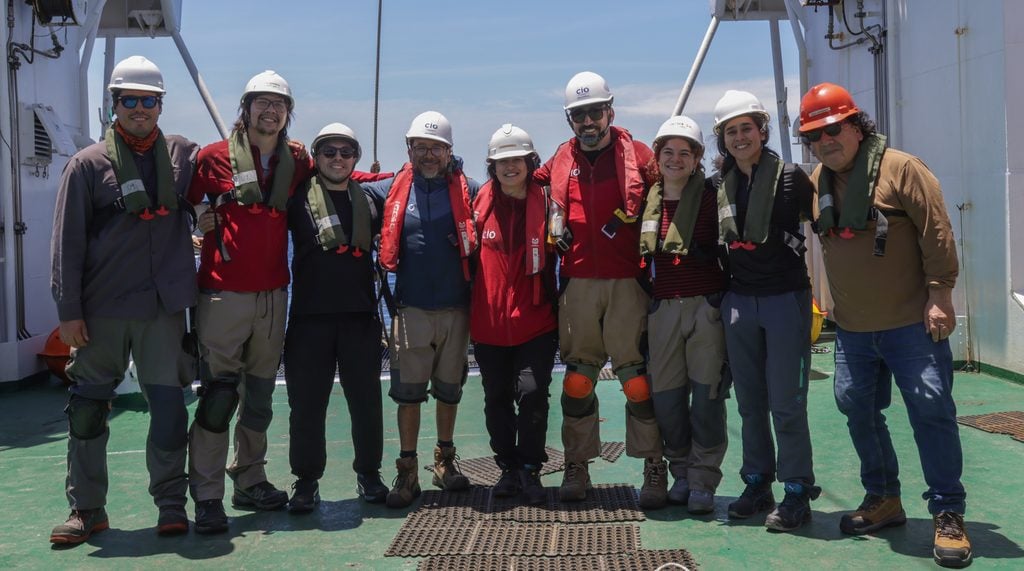
After three weeks at sea, the NIMOx scientific expedition has returned to Valparaíso aboard the oceanographic vessel AGS-61 Cabo de Hornos, operated by the Chilean Navy. This journey took Chilean researchers back to the Atacama Trench, one of the planet’s deepest and least explored environments.
Led by the Millennium Institute of Oceanography (IMO) and funded by the National Agency for Research and Development (ANID), the expedition combined two parallel research projects: one focusing on the deep ocean and the effects of the El Niño phenomenon, and the other examining the geology of the seafloor near Taltal, an area known as a seismic lagoon where major earthquakes have not been recorded for some time.
According to ANID’s national director, Alejandra Pizarro, the expedition showcases the collaboration between public institutions and their research capabilities.
Pizarro emphasized the importance of linking these capacities, such as infrastructure that enables researchers to gather data, conduct studies, and propose advancements in science, technology, knowledge, and innovation.
A Much More Active Ecosystem Than Previously Thought
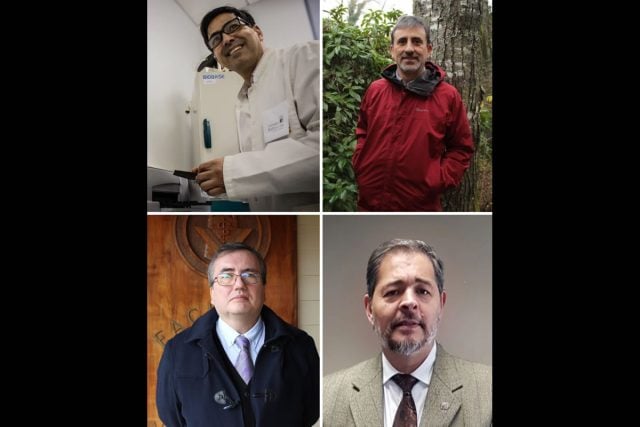
One key finding arose from in situ feeding experiments led by Dr. Mauricio Urbina, lead researcher at IMO and professor at the University of Concepción’s Faculty of Natural and Oceanographic Sciences.
It was previously believed that the trophic chains in the Trench were not diverse or active. However, results indicate otherwise.
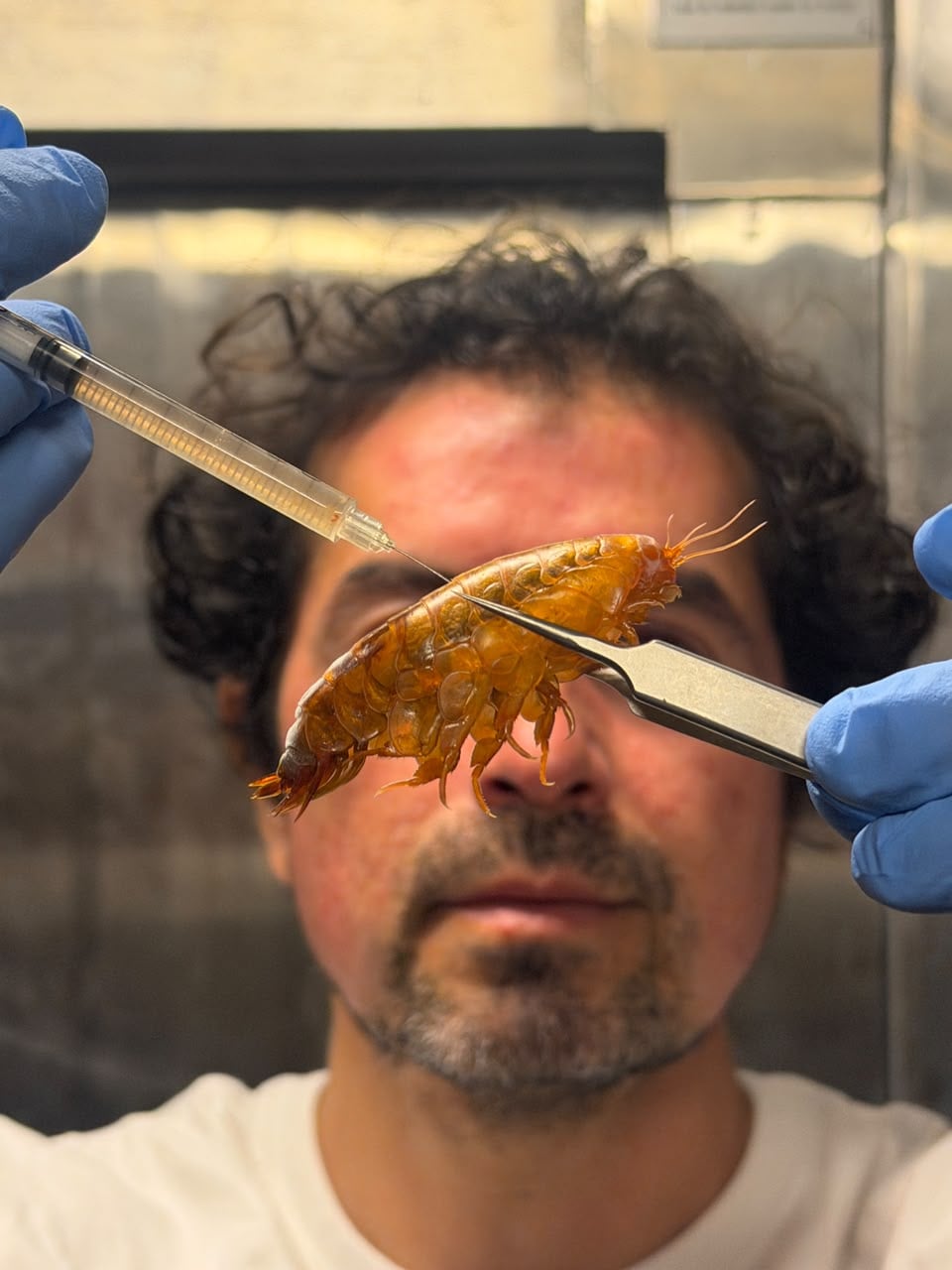
«What we found is that they are extremely diverse and very quick to cycle the organic matter that falls from higher trophic chains. For example, they consumed one and a half kilos of jack mackerel in an hour, an hour and a half,» Urbina explained.
This shifts the perception of the ecosystem; «What was thought to be a relatively static ecosystem, we now see has tremendous capacity to cycle carbon and other materials that drop from higher trophic chains,» he noted.
In traps deployed over the Trench, primarily amphipod scavenger crustaceans were collected. These findings raise fundamental questions about how these animals adapt to sporadic and unpredictable feeding.
For Urbina, the long periods without food could exacerbate these adaptations, adding that «potentially we can find cellular repair mechanisms that are quite novel.»
A Seamount Viewed in Detail
Simultaneously, the geophysical team, led by postdoctoral researcher Dr. Valeria Cortés, successfully mapped the seafloor between Taltal and Chañaral and observed a seamount in high resolution that had not been recorded with such detail before.
These structures hold unique ecosystems, with great biodiversity, endemic species, and high biological productivity.
Cortés valued the results of the campaign, adding, «We have been studying this area for several years, and we have models on how tectonic plates and the seafloor are deforming: how they lift and drop, how faults and landslides occur due to the significant impact of earthquakes and tsunamis.»
«However, our understanding has been general, and now what we did was gather detailed data, specifically finding the faults and landslides occurring, which informs us about more recent processes that will help us understand future processes better,» she added.
For the researcher, this was also the first time she led a geophysical group aboard, which included a high percentage of students to provide them with the experience of being on a vessel and learning how geophysical data is obtained and processed.
The information collected is extensive, and currently, the entire team is processing it. «We need to conduct several computational processes to ultimately produce a product that can be used for scientific research. This will happen in a few months when we will start incorporating it into our models and publications,» she explained.
El Niño and the Deep Ocean
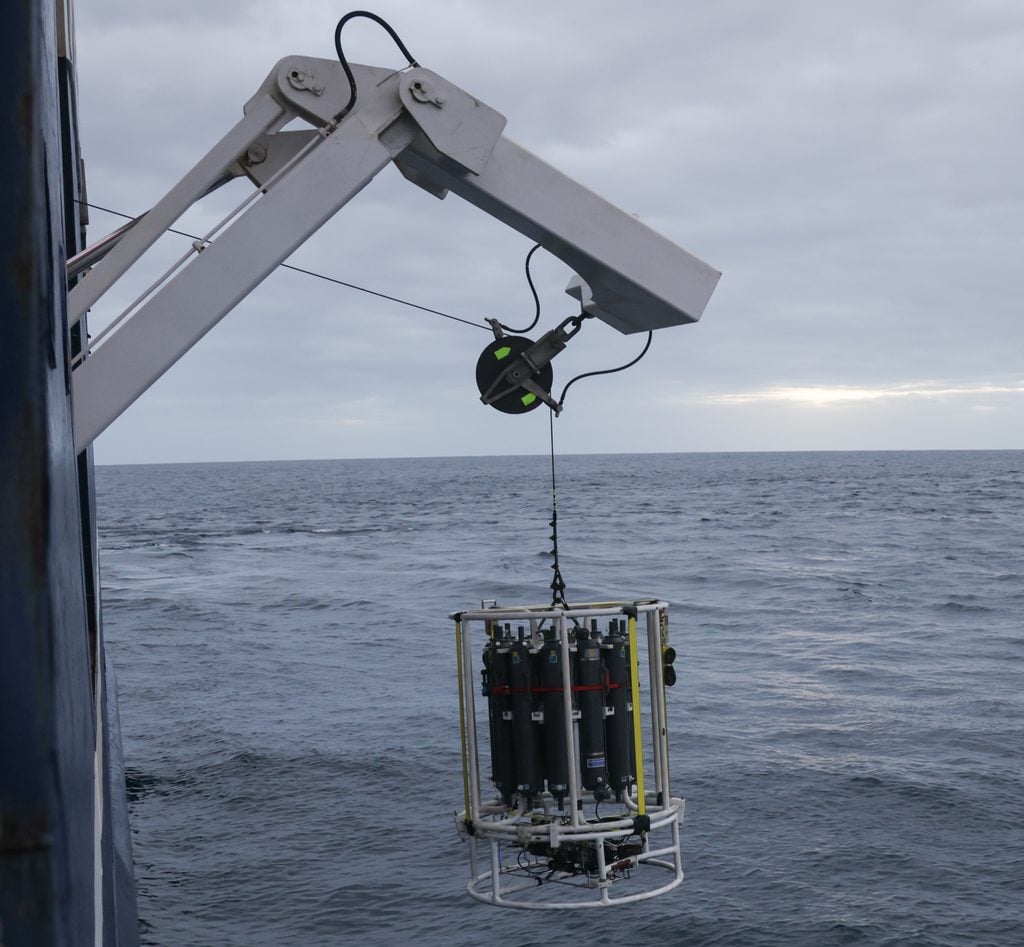
The project led by Dr. Rubén Escribano, principal investigator at IMO and of the Millennium Nucleus for the Study of Deoxygenation in the Eastern South Pacific (DEOXS), as well as a professor at the University of Concepción, aimed to study how El Niño impacts deep ocean dynamics through oceanographic stations and the Integrated Deep Ocean Observation System (IDOOS). This observatory provides information on the physical, chemical, and biological conditions of the Atacama Trench.
Escribano remarked that the expedition was highly successful since all scientific objectives were fully met. «For the first time, the impact of the El Niño phenomenon on the marine ecosystem integrated into the deep ocean will be evaluated. These observations complement our previous studies on the Atacama Trench ecosystem,» he stated.
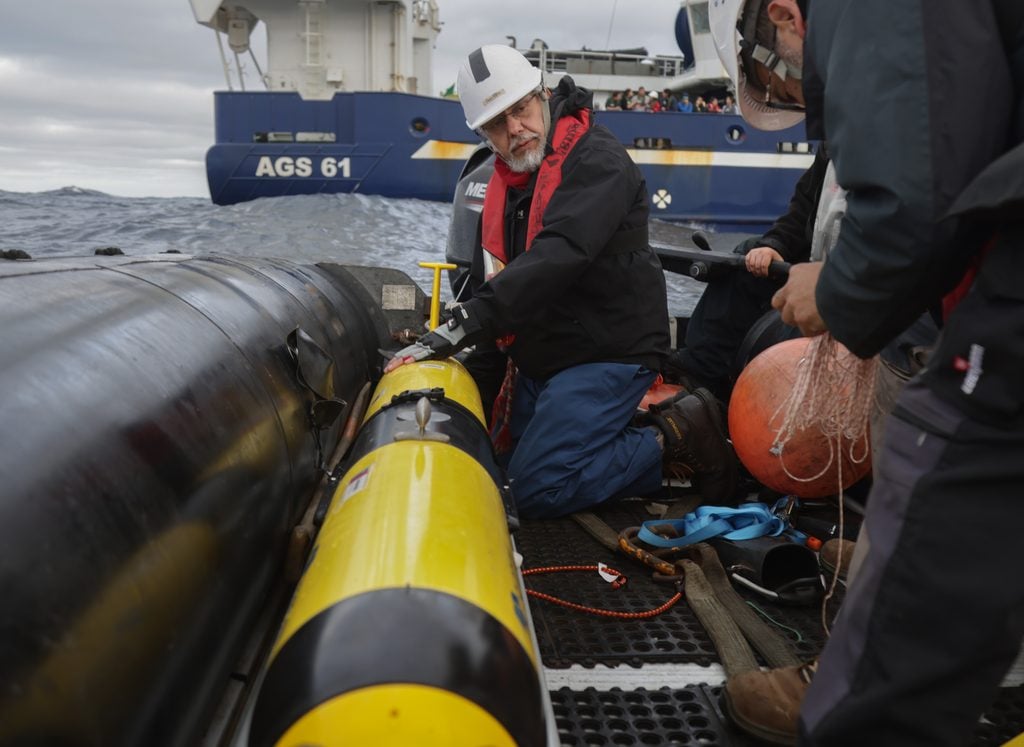
Additionally, the expedition included the deployment of a lander and a glider (autonomous underwater vehicle), advanced instrumentation that will help improve understanding of the processes occurring in the Atacama Trench.
When asked about the next steps and potential outcomes, the researcher explained that these include the analysis of samples and observations collected. «Preliminary data and observations during the expedition indicate that surface sea warming reduces or disperses plankton organisms. These changes may impact the quantity and quality of biological material that settles in the deep ocean, affecting the animal life that inhabits the Atacama Trench,» he detailed.
Captain Carlos Palavecino, Commander of the AGS-61 Cabo de Hornos, noted, «We are en route to Valparaíso after three challenging weeks in the Atacama Trench, during which we fully utilized the ship’s capabilities to study our sea and contribute to science. Moreover, we are already preparing for our next expedition to the south of our country to support the national scientific community.»
During the voyage, IMO shared short videos on its social media, showcasing the main maneuvers, and received questions from the community, which the scientific team will address in a summary video to be published soon.
Obtén tu Pasaporte y apoya a El Ciudadano
Elimina la publicidad, accede a contenido exclusivo y sé parte de la comunidad.
Cancela en cualquier momento · Sin permanencia