Original article: Cuando paran los camioneros, la austeridad queda en la guantera: Quiroz justifica gasto fiscal de US$700 millones
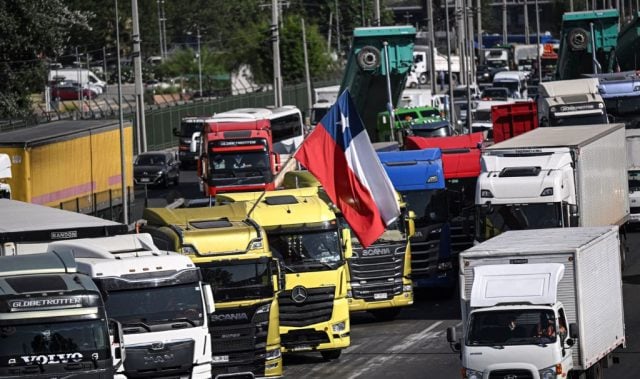
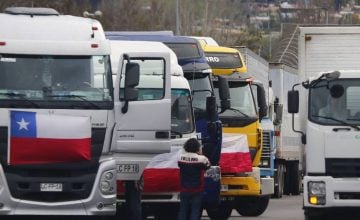
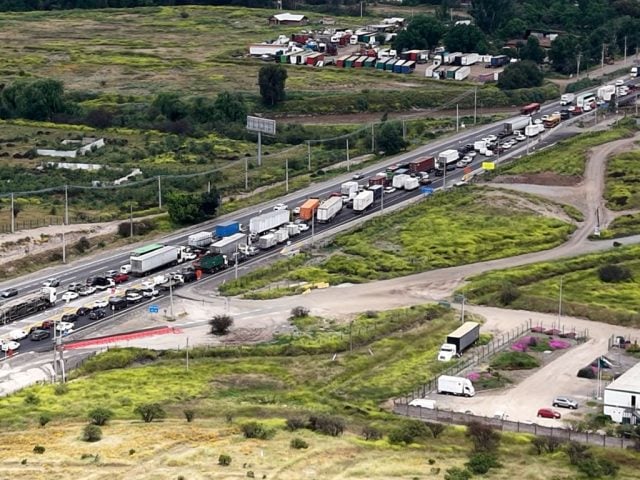
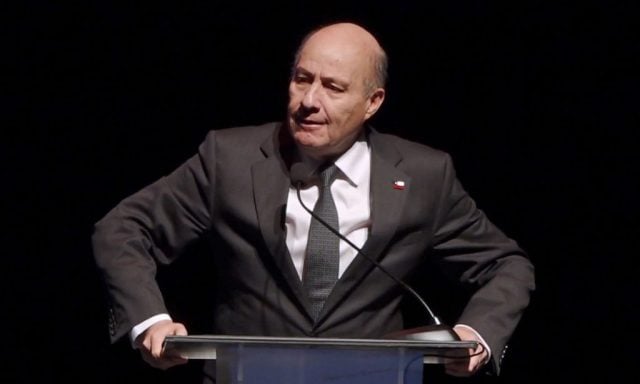
The Finance Minister, Jorge Quiroz, defended the fiscal expenditure of $700 million to end the truckers’ strike, even though this decision has sidelined the principle of austerity advocated by the government of José Antonio Kast.
The agreement reached between La Moneda and the transport associations Fuerza del Norte and Centro-Sur to end the national strike includes a reduction of approximately $142 per liter of diesel. This decrease combines reversing an increase of around $42 with an additional discount of $100 negotiated with the unions.
For gasoline, there is consideration to revert the latest increase, close to $39 per liter. Furthermore, the agreement sets a price ceiling for fuel until March 31, 2027, and extends the tax exemption of the specific tax until the end of that year.
In an interview with La Tercera, Quiroz acknowledged that the Government had to revise their initial offer after several days of stalled negotiations. Initially, the Kast administration proposed to freeze fuel prices for a period of 74 days, a timeframe that was rejected by the truckers, who deemed it insufficient.
According to the Ministry of Finance, the fiscal cost of the agreement is approximately $700 million. However, this amount will be tied to the evolution of international fuel prices.
“For the Finance Ministry, there will always be a slight discomfort when the wallet is opened beyond what was planned, that’s always the case. But given the circumstances and considering how negotiations had stalled during the week, we are satisfied with the outcome,” he remarked to justify the significant figure.
The agreement reached with the truckers raised concerns regarding the consistency between the decisions made and the economic guidelines tied to a austerity discourse that the administration of José Antonio Kast has championed, such as reducing public spending, non-intervention in price setting, and fiscal efficiency.
When directly asked about these inconsistencies, Quiroz argued that an additional pillar must be integrated: pragmatism.
“I have always indicated that we will be pragmatic in the face of special circumstances and we will never lose our strategy. I have always said that tactics can be adjusted,” he maintained.
Furthermore, the Finance Minister was questioned about the reasons why La Moneda ultimately conceded to the striking truckers. “That is part of life: considering the situation, what time it is, and what is happening at different moments,” he told the cited media.
According to the Secretary of State, the agreement aims to prevent difficulties in maintaining the flow of cargo during the fruit harvest, to ensure its transport to the shipping ports, ahead of the beginning of shipments to China, the main destination market for this product.
Quiroz Defends the Fuel Price Hike
In the interview, the minister also defended the controversial “fuel price hike” that occurred last March when the government suspended the smoothing effect of the Fuel Price Stabilization Mechanism (Mepco), a measure that triggered a historic increase of up to $391.5 in gasoline and $580.3 in diesel.
According to Quiroz, maintaining the usual rules of Mepco would have resulted in an accumulated cost of around $3.8 trillion, whereas the measures implemented had an impact of $1.9 trillion.
Obtén tu Pasaporte y apoya a El Ciudadano
Elimina la publicidad, accede a contenido exclusivo y sé parte de la comunidad.
Cancela en cualquier momento · Sin permanencia