Original article: Denuncian nuevo desastre ecológico en Chiloé: 283 toneladas de salmones muertos en centros de cultivo de Quinchao
Sernapesca Activates Oversight Following Salmon Die-Off in Quinchao
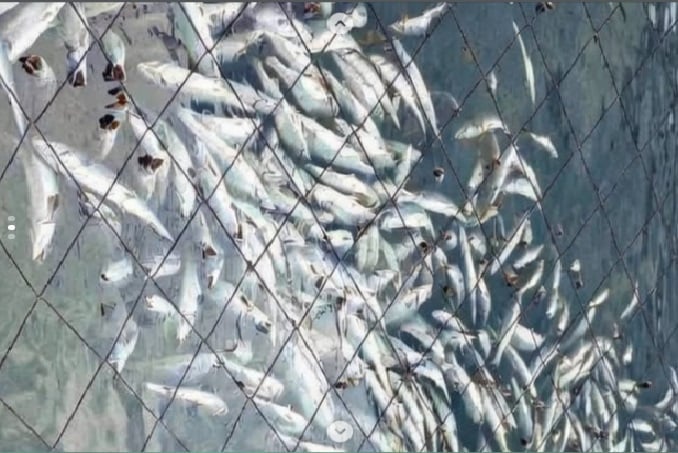
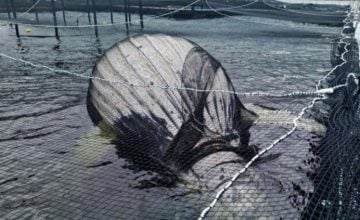
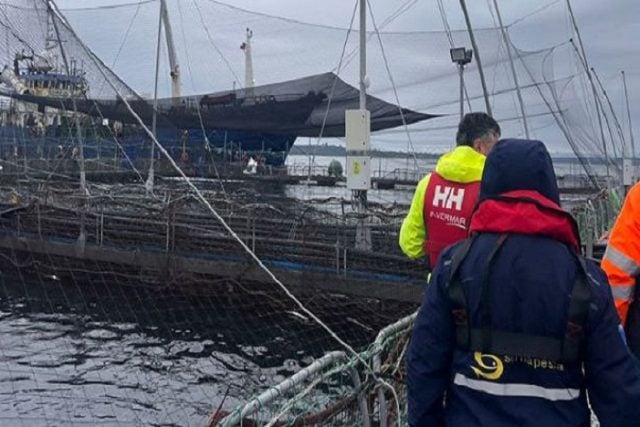
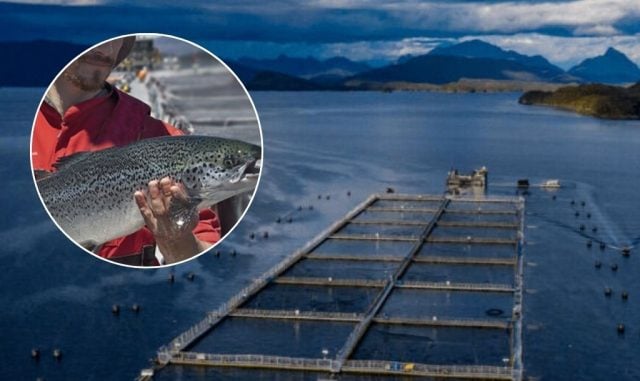
Officials from the National Fisheries and Aquaculture Service (Sernapesca) have arrived in the municipality of Quinchao, located in the Chiloé province, to monitor a mass die-off of salmon at the Traiguén 2 aquaculture center, operated by Invermar S.A.As reported by the agency on Friday, February 13, the incident was triggered on February 12 due to a phenomenon of low oxygen levels in the water. To date, the company has reported 283 tons of affected fish, constituting about 10% of the total biomass at the facility, which are currently being removed by a deep-sea fishing vessel heading to a reduction plant.
Cristian Hudson, regional director of Sernapesca in Los Lagos, explained that these events are responses to specific natural dynamics and asserted that the agency is maintaining vigilance over the situation. «It is important to indicate that such oceanographic phenomena are occasional in the region, causing localized mortalities in salmon farms and, in some cases, beaching of species such as channel shrimp,» the authority commented. Hudson added that the service will continue to monitor this specific event and the behavior of nearby aquaculture centers to ensure that contingency action plans are being handled appropriately.
Environmental Groups Denounce «Ecological Disaster» and Hold Industry Accountable
While authorities oversee the operation, civic organizations have strongly criticized the structural causes of the event. Through their social media platforms, the groups ‘Protected Areas Without Salmon Farms’ and ‘Defend Patagonia’ labeled the incident as an «environmental alert» directly linked to the production model. In a joint statement, these organizations indicated that the event is not an isolated accident but a predictable consequence of the saturation of the marine ecosystem.
«This is not a ‘natural accident’; it is a direct consequence of the industrial model of salmon farming,» the organizations asserted on their Instagram account, where they shared the news with their followers. The groups explained that the industry overloads the sea with thousands of fish in cages, generating organic pollution that leads to eutrophication and depletes dissolved oxygen to lethal levels. «The sea is choking, the salmon are dying… and the damage extends to all marine life: algae, mollusks, native fish, and marine mammals,» they added in the statement circulated on social media.
Ultimately, these civic campaigns have called upon authorities and citizens to recognize the magnitude of the problem, questioning official numbers and the long-term impact. «283 tons is what’s reported. How much more is being hidden? How many more times will we see beaches filled with dead fish, intensified red tides, and communities deprived of artisanal fishing?» they challenged. Under the slogan «The Sea of Chiloé and Patagonia is Not an Industrial Dump,» they demanded an immediate cessation of salmon farming expansion, the removal of cages from protected areas, and an independent investigation with real sanctions.
View full post at the following link:
Relacionados
Denuncian nuevo desastre ecológico en Chiloé: 283 toneladas de salmones muertos en centros de cultivo en Quinchao
Hace 2 minutos
Allegations Against Reinaldo Ulloa Shipping and Multiexport: Environmental and Safety Violations in Salmon Farming
Hace 3 meses