Original article: Bolivia: La tiranía contra el derecho a la rebelión
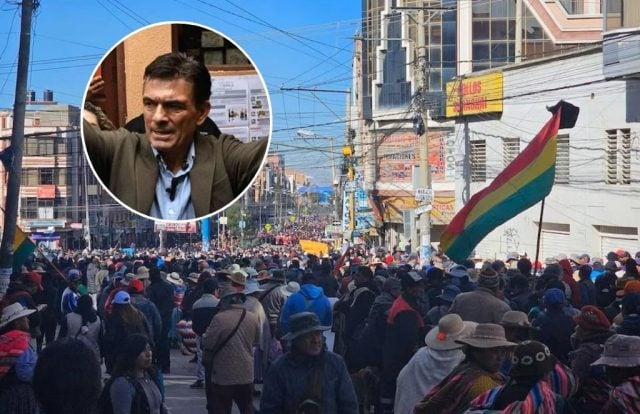
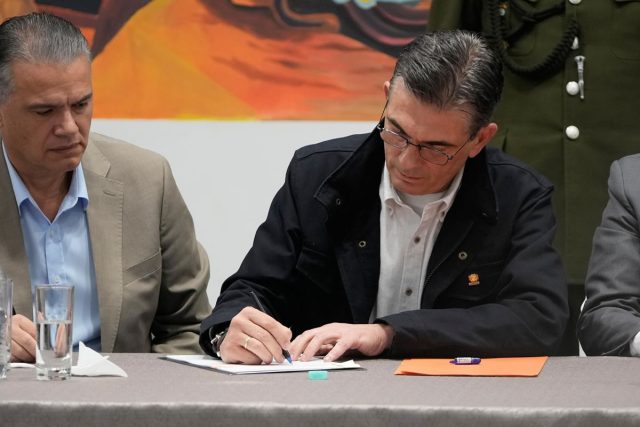
The President of Bolivia, Rodrigo Paz, enacted Law 1740 on «Regulation of States of Emergency» on Monday, June 8, as the Bolivian populace has been actively protesting against the privatization policies of his administration for over a month.
According to official information, this new law grants the government the ability to declare a State of Emergency to «defend state security» in three scenarios: external threats, internal unrest, or natural disasters.
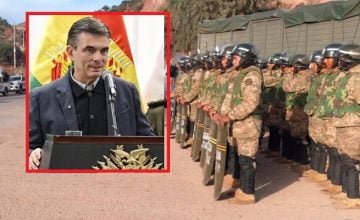
In this context, the President claimed that «narcoterrorist» groups are fueling the protests demanding his resignation, warning that «their days are numbered» due to this law, which allows him to intervene in demonstrations and blockades with military force and restrict freedoms of assembly and movement.
In response, opposition leaders criticized the law’s enactment, arguing that it undermines democratic guarantees and human rights protections, as pointed out by indigenous leader and former president Evo Morales.
«We alert the international community about the approval of a new State of Emergency Law that weakens democratic safeguards and human rights protections. This law presumes the legality of state actions, limits judicial and parliamentary oversight, and expands military involvement in internal conflicts,» Morales stated.
In light of this, Morales requested «ongoing monitoring and vigilance from international organizations to safeguard the rule of law and the fundamental freedoms of the Bolivian people.»
Meanwhile, the Inter-American Commission on Human Rights (IACHR) reminded President Rodrigo Paz and his government that «measures of states of emergency must comply with Article 27 of the American Convention and inter-American standards, addressing the necessity, reasonableness, proportionality, temporality, and legal oversight of these measures.»
Previously, the international organization had stated that social protest «constitutes a legitimate expression of the rights to peaceful assembly, freedom of expression, and participation in public affairs, particularly in contexts of social conflict», deeming it an «essential element for the existence and consolidation of democratic societies, and therefore the state must tolerate a certain level of disruption to daily life.»
«The state has the duty to facilitate all possible mechanisms for dialogue and coexistence of all rights in tension, viewing the use of force as a last resort,» emphasized the IACHR.

We will continue to provide updates. Keep reading:

El Ciudadano
Obtén tu Pasaporte y apoya a El Ciudadano
Elimina la publicidad, accede a contenido exclusivo y sé parte de la comunidad.
Cancela en cualquier momento · Sin permanencia