Original article: “Cerco” al corazón político de Bolivia: la mayor central obrera anuncia bloqueo en la sede del Gobierno por el “gasolinazo”
Bolivia’s Major Labor Union Implements Blockade at Government Headquarters in Protest Against Fuel Subsidy Cuts
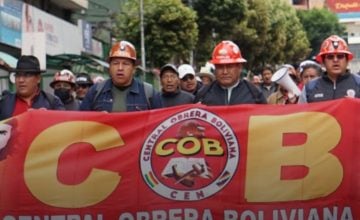
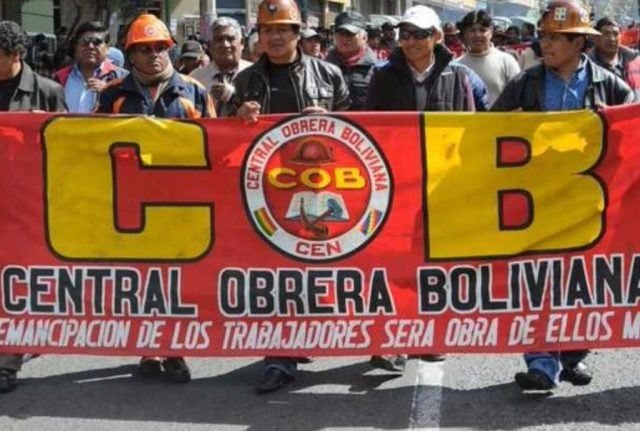
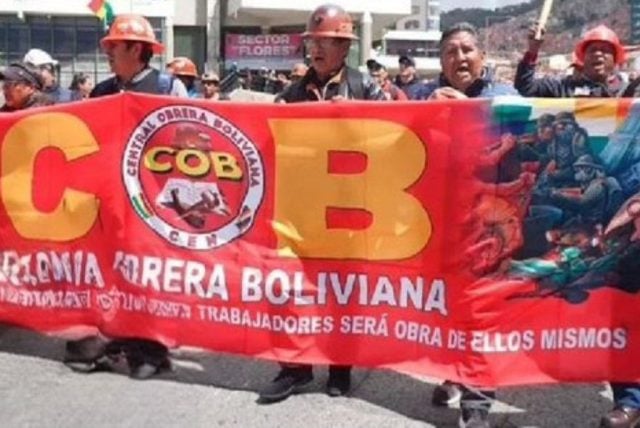
The Central Obrera Boliviana (COB), the largest labor organization in the South American country, announced on Monday the establishment of a «blockade» around Plaza Murillo, the seat of political power, as part of their pressure tactics against Supreme Decree 5503. This regulation, enacted by President Rodrigo Paz, removes subsidies on fuels and, according to union leaders, facilitates the transfer of strategic resources to private entities.
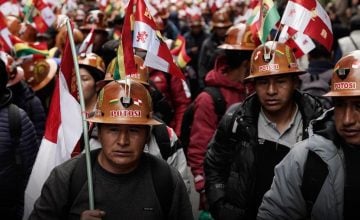
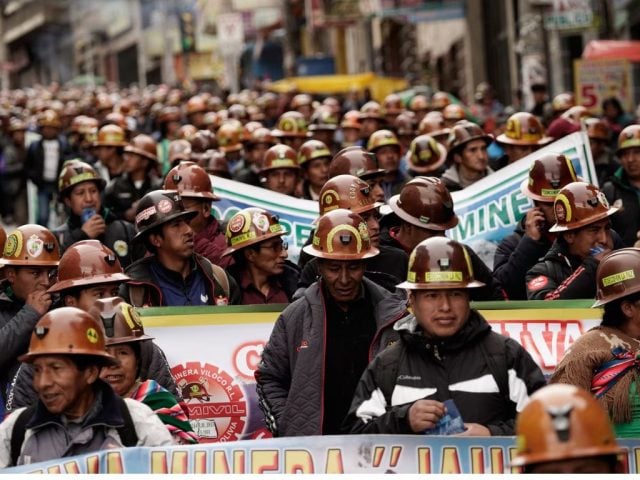
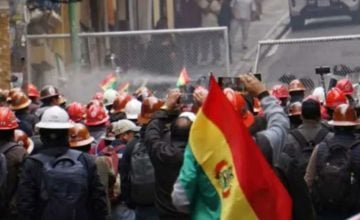
The announcement was made by Mario Argollo, executive secretary of the COB, amidst a crowd of thousands of workers, miners, transporters, factory workers, and affiliate social sectors who gathered in La Paz. They chanted slogans such as: «Long live the indefinite mobilized strike!» «Long live the unity of the Bolivian people!» and «Death to the gasolinazo!» while police forces and barricades stood in place to guard the government facility.
«We are going to surround all of Plaza Murillo to apply pressure and demand that the Government finally acknowledges this cursed Decree 5503,» he stated.
This mobilization is part of an indefinite general strike called by the labor union, in opposition to what they describe as a «neoliberal policy» that negatively impacts the most vulnerable sectors. According to the COB, the decree not only removes subsidies for gasoline and diesel—popularly referred to as the «gasolinazo»—but also «facilitates the delivery of strategic resources to both national and foreign private entities.»
Hours prior to the protest, the Government extended an invitation for dialogue, which was acknowledged by union leadership. However, Argollo clarified that the response would depend on an internal assessment to be conducted in a broader meeting with regional federations and organizations, respecting the will of the grassroots members.
«We demand the repeal of the neoliberal decree 5503 that only benefits the wealthy, it is a cursed decree. If we do not take action now, dark days lie ahead for our families,» warned the union leader.
The COB has emphasized that any negotiation table must begin with the prior repeal of the decree, a condition that has not been accepted by the government to date.
Meanwhile, Alfredo Llarerico, president of the La Paz Federation of Mining Cooperatives, supported the mobilization and explained that miners’ protests would continue until the neoliberal policy enacted on Wednesday, which suspends fuel subsidies and facilitates the transfer of strategic resources to private entities, is reversed, as reported by the portal La Época.
The massive protests have not been limited to the capital, as the Organization of Factory Workers activated blockades at strategic points in Cochabamba, particularly on the Blanco Galindo highway connecting Oruro and La Paz. This sector reported that Decree 5503 was enacted without previous socialization with labor organizations.
In the same department, the free transport union paralyzed the main northern avenues of the capital with vigils and barricades. Their representatives labeled the measure as a «gasolinazo» that jeopardizes their sole source of income, asserting they will «maintain roadblocks until the law is definitively annulled.»
Impact of Neoliberal Decree 5503
The Supreme Decree 5503 was enacted last Wednesday, prompting immediate backlash from labor sectors, transporters, and social organizations. For the Paz government, which has been in power for just over a month, the measure aims to «rationalize public spending» and «prevent the smuggling of fuels.»
However, from parliamentary opposition to the main social organizations in the country, unions including the COB, transporters, neighborhood councils, farmers, and various sectors argue that the increase in gasoline and diesel prices will create inflationary effects on basic goods and directly harm the popular economy.
In fact, the government’s so-called «Decree for the Homeland,» which eliminates fuel subsidies, led to a substantial immediate increase in their prices. The price of gasoline rose from 3.70 to 6.96 bolivianos, while diesel jumped from 3.72 to 9.80 bolivianos.
According to the measure, these new prices will remain in effect for six months. Additionally, free importation of fuels will be allowed.
Relacionados
Bolivia on Edge: Workers' Union Launches Road Blockades Against Controversial Fuel Decree
Hace 4 semanas
Bolivia's Fuel Subsidy Removal Sparks Protests: President Rodrigo Paz Faces Calls to Resign
Hace 2 meses
Central Obrera Celebrates Repeal of Controversial Decree 5503: "Bolivia Emerges Victorious"
Hace 3 semanas