Original article: “Crimen internacional”: abogado chileno denuncia recrudecimiento del bloqueo de EE.UU. contra Cuba
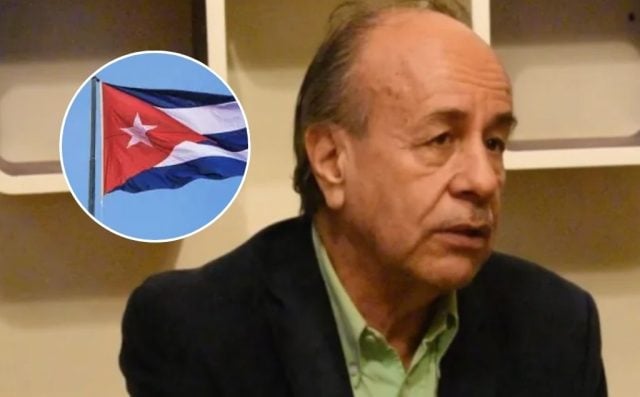
Chilean attorney Carlos Margotta has raised his voice to describe the economic, commercial, and financial blockade imposed by the United States (U.S.) on Cuba as a true «international crime».
In an interview with Prensa Latina, Margotta, who serves as the Director of International Relations for the Chilean Human Rights Commission (CChDH), pointed out that this set of economic, commercial, and financial sanctions established by Washington since 1962 has caused severe economic, social, and humanitarian impacts on the island, and is seeing an intensification in recent times, particularly regarding energy supply.
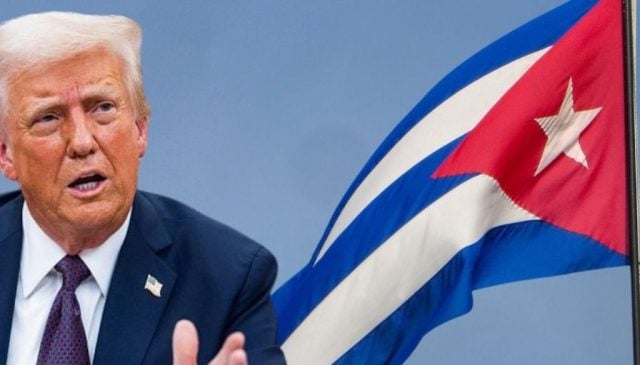
“Today we are witnessing a U.S. offensive that, under Donald Trump’s administration, not only targeted Venezuela but also imposed this energy blockade on Cuba, affecting millions of men, women, the elderly, children, and pregnant women, who are suffering from this international crime,” he stated.
With an executive order signed on January 29, the Republican mogul completely blocked the entry of oil to Cuba, a measure that has triggered a severe crisis in the supply of basic services on the island.
This decision, justified by the claim that Havana represents a threat to U.S. national security, enables tariffs to be imposed on goods from countries that sell or supply oil to the island nation.
This measure has not only disrupted the daily lives of Cubans—with blackouts lasting up to 20 hours a day—but has also jeopardized sensitive sectors such as health care, food supply, and the physical well-being of the population.
In this context, Margotta focused on the nature of unilateral coercive actions, reminding that these practices have been extensively documented by international organizations as mechanisms that transcend mere political disputes.
As a member of the Chile Chapter of the Network of Artists, Intellectuals, and Social Organizations in Defense of Humanity, Margotta warned about the resurgence of old continental domination strategies by Washington.
In his view, the revival of the principles of the so-called Monroe Doctrine, the maxim of «America for Americans» that has historically justified unilateral interventions, poses a threat to the self-determination of countries on the continent due to Trump’s administration’s interest in reducing the peoples of the region to mere colonies.
«Yesterday it was against Venezuela, today it is against Cuba, and tomorrow it will be against anyone who wants to defend their sovereignty and independence,» he warned.
In light of this situation, the jurist indicated that it is the duty of the peoples and humanitarian organizations to defend Cuba.
Urgent Reform Needed for the UN and the Security Council
Beyond analyzing the blockade against the island, the interview also addressed the structural deficiencies of the contemporary multilateral system. In this regard, Carlos Margotta extended his reflection towards the necessity of transforming global governance mechanisms, with an emphasis on the United Nations (UN).
In his view, the architecture created after the Second World War has become outdated in the face of current challenges and lacks the effectiveness needed to prevent systematic violations of international law. As a paradigmatic example of this structural failure, he cited the situation in Gaza, where the international community has shown its inability to halt cycles of violence and humanitarian suffering amid the genocide perpetrated by Israel.
«Unfortunately, this international system has shown its ineffectiveness, as evidenced in Gaza,» he concluded.
According to the Chilean lawyer, such ineffectiveness is not circumstantial but stems from an institutional design that favors the interests of established powers at the expense of justice, and he argued that currently there is no international protection system that truly fulfills its purpose of safeguarding the peace, sovereignty, and independence of the peoples.
Thus, he cast criticism on both the functioning of the Security Council and the overall structure of the UN, which, in his opinion, requires a deep reform to regain its original reason for being.
On this point, the interview also addressed the succession process set for next year in the UN Secretary-General position, which several figures from the Latin American region, including former Chilean President Michelle Bachelet, aspire to hold.
When asked by Prensa Latina about this, Margotta downplayed the significance of who occupies the post and instead emphasized the need to transform the institutional rules of the game.
«Today, who holds the position is not the most relevant; rather, it is about modifying the Security Council, the entire structure, so that what is agreed upon there can be effectively fulfilled, which has not been happening for many years,» he indicated.