Original article: Chile: Cambio climático obliga a replantear estrategias en producción de cerezas
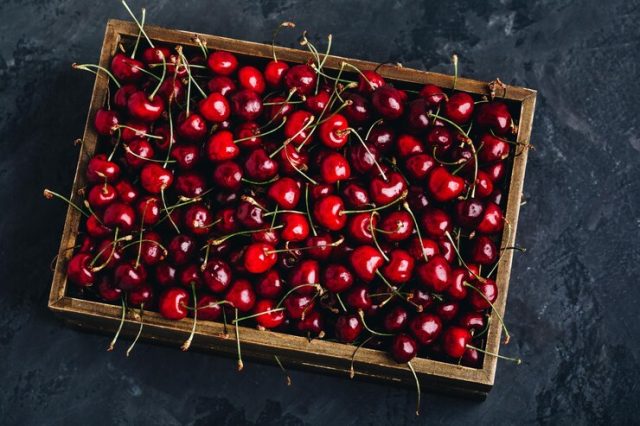
There is no denying that Chile is facing the repercussions of climate change, where cherries emerge as a key fruit in this context.
Currently, the country produces 97% of the Southern Hemisphere’s cherry supply, but exports have declined by about 20% due to milder winters and extremely hot summers.
To tackle this issue, industry professionals are exploring various strategies, including selecting cherry varieties that can better adapt to the changing conditions.
Marcelo Arriagada, technical director of the Cherry and Pome Fruit unit at ANA Chile, emphasized that variety selection has been crucial in maintaining both the quality and quantity of fruit during harvest.
“The key is to introduce genetics that thrive under these soil conditions, climate, and cold requirements, allowing us to produce cherries that meet the preferences of the Chinese market, our primary buyer,” stated the expert during the IX CherryExpo 2025, organized by the Pomology Center of the University of Talca and ANA Chile.
In the national fruit industry, cherry exports are dominated by traditional varieties like Lapins, Santina, and Regina, which account for the majority of shipments to international markets such as China.
“In recent seasons, new varieties like Sweet Aryana, Nimba, and Pacific Red have gained traction. These early-harvest cherries boast desirable attributes such as size, firmness, and sweetness, aiming to consolidate and diversify export opportunities,” Arriagada noted.
Export Decline
In the past, exports fluctuated between 135 and 150 million boxes per season, but those figures have drastically adjusted.
“Today, numbers are significantly lower, ranging from 110 to 125 million boxes,” stated the ANA Chile professional, attributing this decline to winter and summer climatic conditions.
“There was considerable rainfall during the bloom period, along with low temperatures, frosts, and even hail in some areas. These climatic factors affected the final fruit set,” he detailed.
Thus, inadequate cold accumulation in critical months has impacted production potential, compounded by extreme summer heat that stresses the plants.
Luis Ahumada Jurado, general manager of Exportadora Los Olmos, confirmed this decline and highlighted that, “while we all hope our orchards don’t drop in production,” this scenario could lead to relief in pricing.
“Even if production is 20% to 25% lower than last year, I believe prices will need to compensate for this decrease. We expect a better season than the previous year,” stated Luis Ahumada, who regards this period as “crucial” for gauging how the Chinese market responds with lower volumes of higher-quality fruit.
In this respect, he warned that failure to see improved market conditions would mean that cherries harvested from December onward “will face tougher times.”
The Project
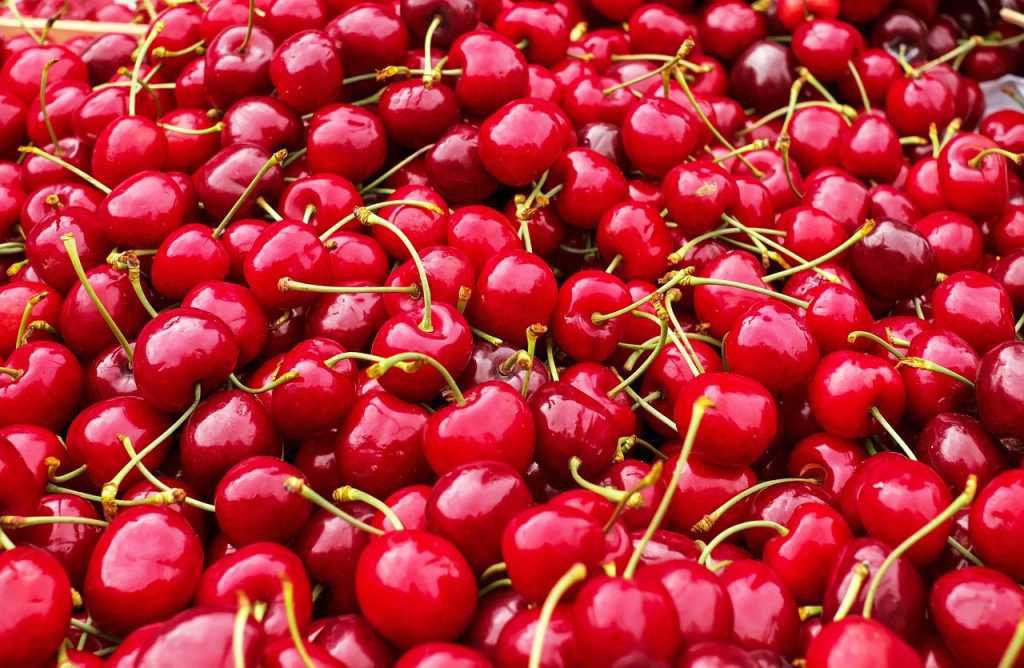
In light of this situation, researcher Álvaro Sepúlveda León from the Pomology Center at the University of Talca presented a project at the IX CherryExpo 2025. The project, developed in collaboration with the Foundation for Agricultural Innovation (FIA), is titled “Predictive Models Based on Climate, Nutrition, and Management to Minimize Internal Browning Losses in Cherries and Apples.”
This initiative was implemented in commercial orchards across the Maule and O’Higgins regions, allowing for the evaluation of fruit behavior under real production conditions, both in the field and post-harvest, where this damage becomes apparent.
“Our goal was to assess if we could predict when the fruit would be at higher or lower risk of post-harvest issues by using artificial intelligence tools that can detect patterns not easily identified with traditional models,” explained the researcher.
This stage is critical for export, as many lots arrive at their destinations with developed damage, directly affecting quality and market value.
Results indicated a clear correlation between climate and the occurrence of internal browning: winters with higher cold accumulation reduce risk, while summers with high temperatures and stressful conditions significantly increase it.
This was particularly evident in the monitored orchards, where differences between locations allowed for model refinement.
“Through a consultation platform, we will have an early alert system alerting producers about increased risks during the season,” stated professor Álvaro Sepúlveda.
“It’s essential to track the season year by year, as springs and summers are becoming increasingly stressful due to high temperatures, as we have seen recently. And that directly impacts how the fruit is received in post-harvest,” concluded the academic from the University of Talca.
The Ciudadano
