Original article: China: Accesibilidad y experiencia compartida en Gala de la Fiesta de la Primavera
By Jimena Li Yu, CGTN Spanish Reporter
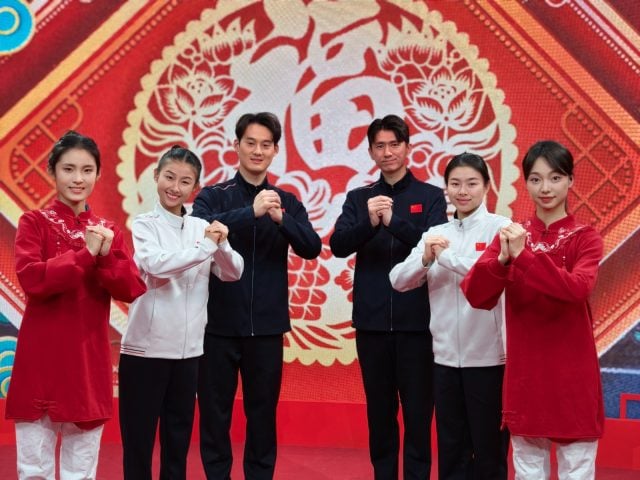
The Spring Festival Gala of the China Media Group (CMG) is a much-anticipated cultural event that takes place every year on the eve of the traditional New Year.
In 2026, the Year of the Horse Gala will be broadcast live on February 16, reaching millions of households both within China and around the world.
Recent editions of the broadcast have achieved unprecedented audience numbers, amassing billions of views across television, digital platforms, and social media, with hundreds of millions of viewers tuning in live. It has even been recognized by Guinness World Records as the most-watched television program globally.
However, beyond the viewer statistics and accolades, the Gala is making significant strides in a less visible but crucial area: accessibility.
A few years ago, programming aimed at viewers with hearing or visual disabilities was still quite rare in China. Following numerous evaluations, the accessible version set for 2026 is expected to be a substantial improvement. It will not only include subtitles and descriptive elements but will also be designed with inclusive content from the outset, ensuring that more viewers can follow and enjoy the show.
The 2025 edition provided poignant anecdotes: a hearing-impaired viewer shared on social media how he modified his television to a vertical position to better experience the Gala in a mobile-optimized accessible format.
Simultaneously, individuals with visual impairments described the audio narration as an immersive experience, helping to create vivid mental imagery of the scenic details.
From Individual Access to Shared Experience
This year, the most visible advancement is the expansion of broadcasting channels. The accessible version will also air on traditional television, in addition to mobile and digital platforms.
For many people with hearing disabilities, this represents a straightforward yet crucial change: the ability to sit with their families and share in the Gala experience without feeling excluded.
A hearing-impaired artist involved in the project summed it up: previously, many avoided watching the Gala because the jokes, songs, and wordplay were incomprehensible. Spending that night with family meant being present visually but without understanding. The accessible broadcast has transformed that experience, restoring the sense of belonging to the celebration.
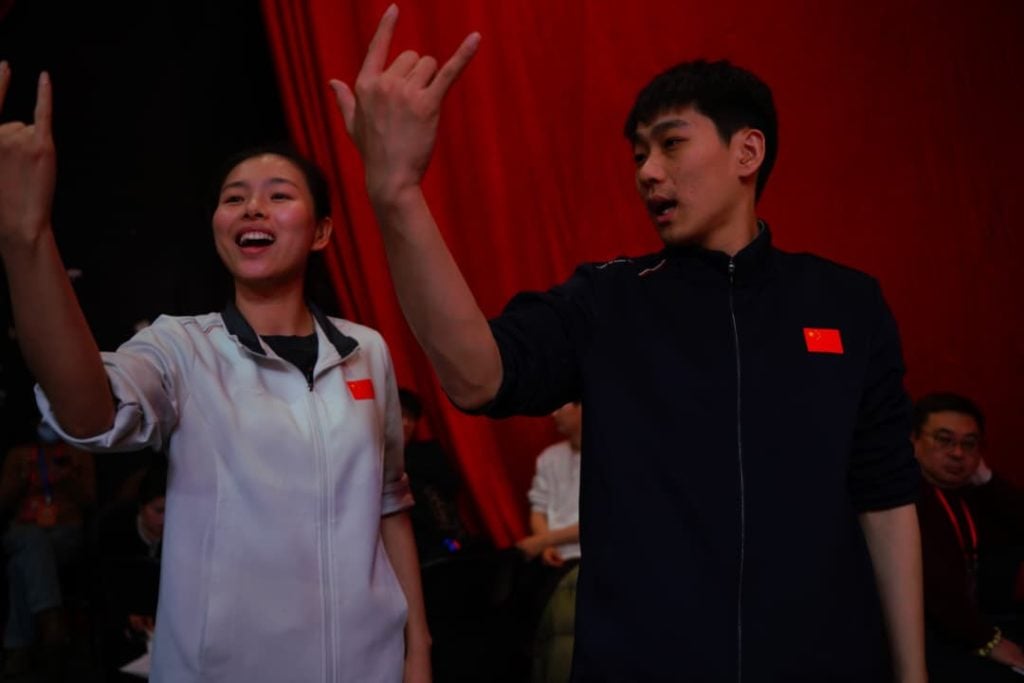
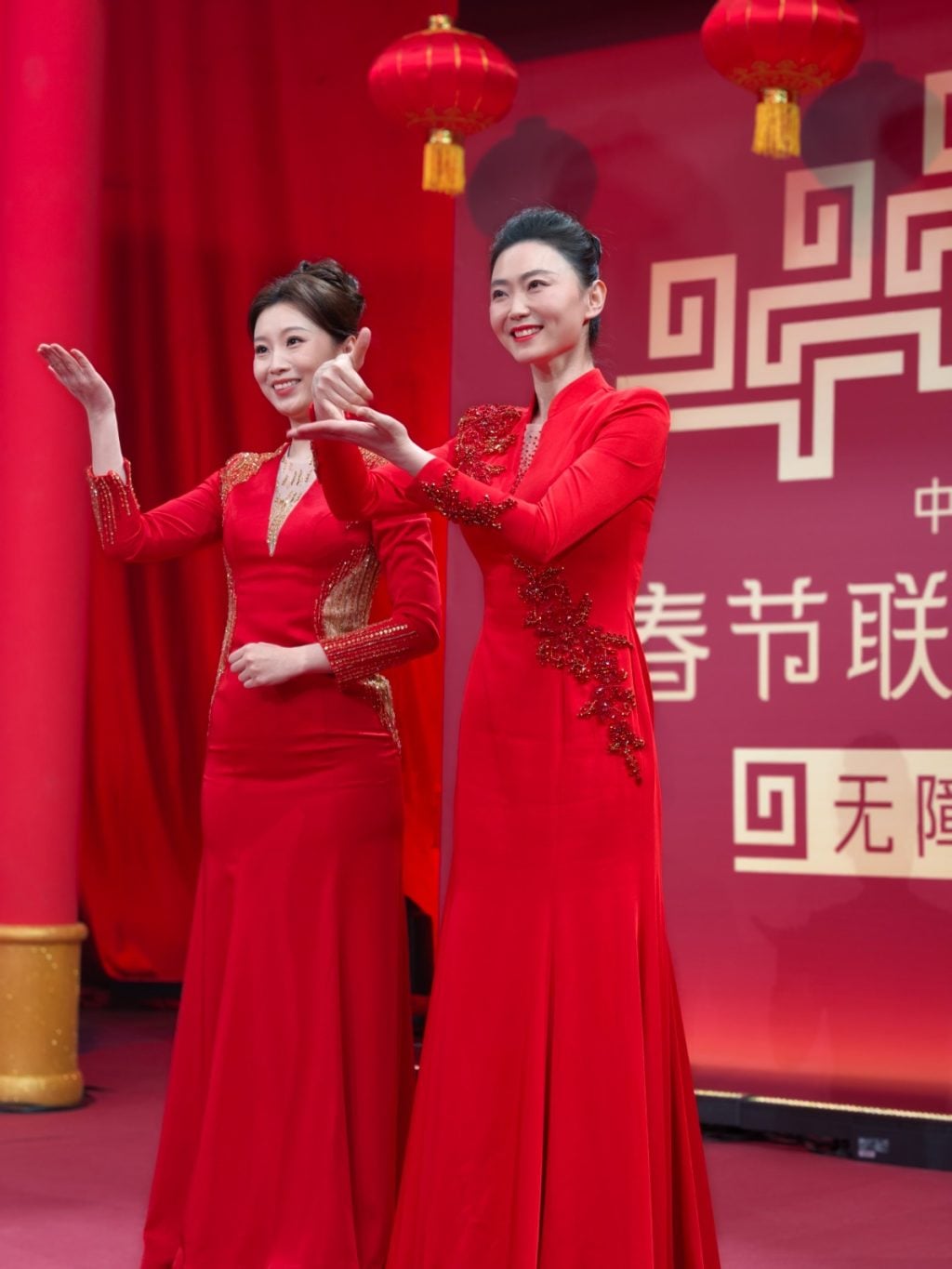
Behind this version lies a complex creative and technical effort. Two hearing-impaired artists, recognized in past editions for their sign language performances, return this year to lead the adapted section.
Interpreting a song in sign language involves more than just translating words; it requires embodying rhythm, emotion, and meaning through physical expression. The process involves breaking down the lyrics into clear visual concepts, adjusting gestures for screen comprehension, and synchronizing the performance with the music.
To achieve this, the team collaborated with specialists in musical and audiovisual production, analyzing the rhythm of the songs and studying the lip movements of the original performers.
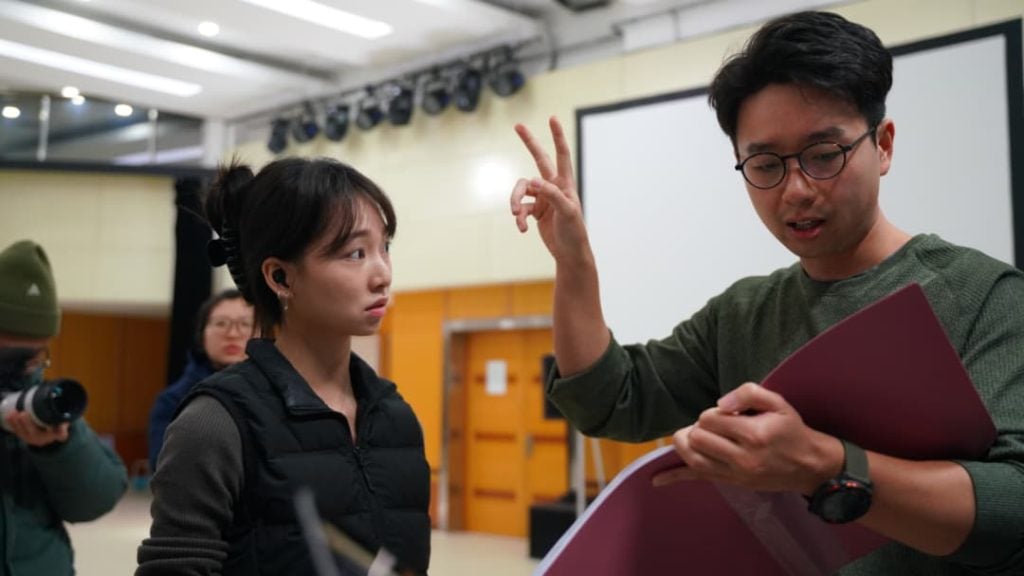
The Invisible Work of Accessibility
An example of this complexity arose during a rehearsal while interpreting a poetic phrase related to the wind. Initially, they presented it in a literal and energetic manner; however, after consulting with the audience, the artists realized that the tone was actually softer. This fine-tuning illustrates a collaborative approach focused on emotional fidelity rather than mechanical translation.
The audio narration for visually impaired viewers has also evolved. It now provides context, atmosphere, and narrative cues, along with descriptions of visual scenes. In musical numbers, it explains the layout of the stage, changes in lighting, and the overall energy. In comedic segments, it clarifies linguistic play and visual relationships between characters to maintain rhythm. Some viewers who previewed this version described it as «having someone next to you narrating the Gala,» providing a close and shared experience.
The accessible broadcast is the result of a collective effort involving creatives, technicians, specialists, and consultants. As noted by one project leader, each edition aims to improve and expand the reach of the celebration.
A Celebration Designed for Everyone
On the night of February 16, when millions of families celebrate the arrival of the Chinese New Year, this version of the Gala will offer a new way to understand major cultural events: as shared spaces designed for collective celebration, where different perceptions of the world can be acknowledged and experienced together.
El Ciudadano
Relacionados
José Kast's Controversial Remarks in Argentina: Denies Plans to Expel 300,000 Immigrants
Hace 2 meses

New York Braces for Socialist Mayor: Mamdani to Swear In and Celebrate with Community Festival
Hace 2 meses