Original article: “Una reforma laboral esclavista”: Agencias internacionales sobre polémica ley de Milei que recorta derechos laborales
«Is it a Slave Labor Law»: The Argentine Congress Approved Milei’s Major Cut to Labor Rights
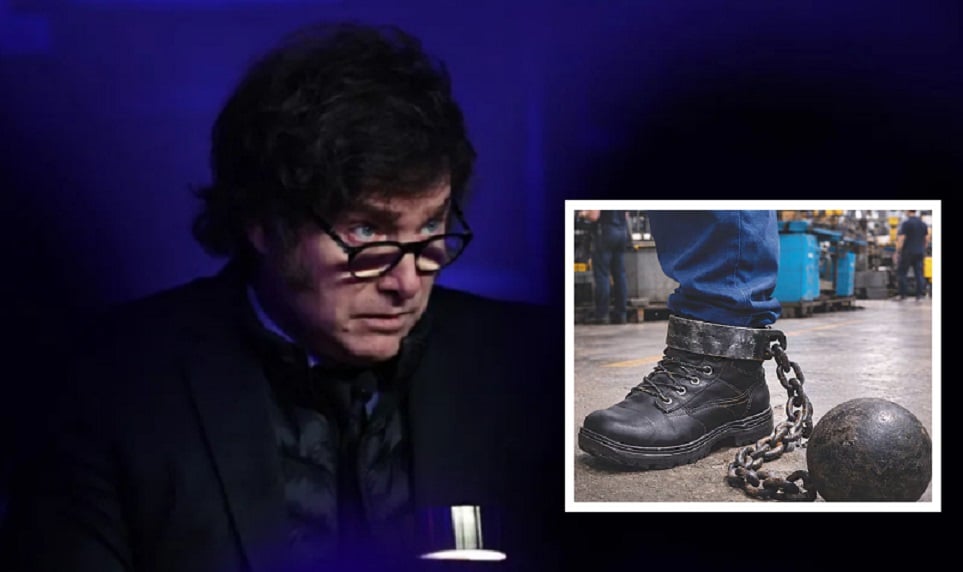
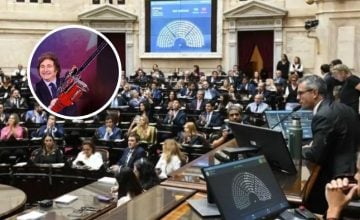
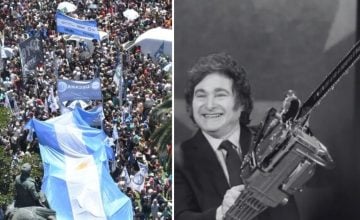
In a tense atmosphere marked by widespread social protests and a general strike that partially paralyzed the country, the Argentine Congress approved President Javier Milei’s controversial labor reform early Friday morning. The initiative, criticized by the opposition as «slave labor,» represents an unprecedented rollback of workers’ rights by making dismissals cheaper and relaxing hiring conditions. The vote was held amidst incidents between protesters and security forces near Parliament.
This contentious reform has received varied international coverage, reflecting the turbulent social climate in Argentina due to ongoing protests. One such coverage came from elDiario.es, which highlighted that the reform modifies a labor system that has been in place since 1974, establishes a new calculation for severance pay that excludes elements like vacations or bonuses, and creates a Labor Assistance Fund (FAL) that diverts funds from the social security system to cover layoffs.
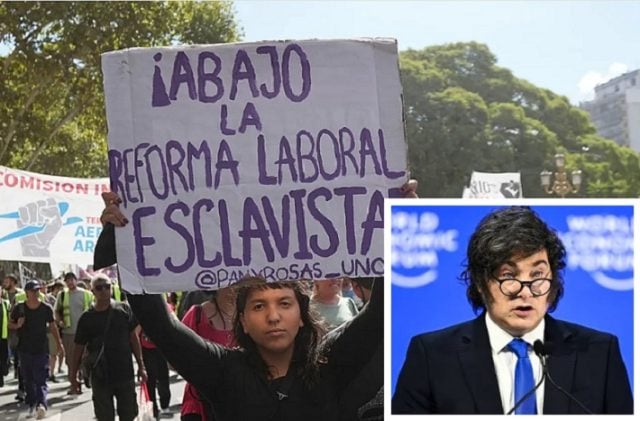
Myriam Bregman, a deputy from the Left Front, stated in comments reported by elDiario.es: «This is a wholly slave labor reform that they are trying to sell as modernizing without any sugar-coating. It’s been a long time since anyone could find a worker or union entity to defend it.» The text will return to the Senate following the controversial removal of an article that aimed to reduce salaries during sick leave.
Various political and social sectors have expressed their strong opposition to the legislation, which also extends work hours, restricts the right to strike, and fragments vacation time.
Esteban Paulón, a national deputy from the Socialist Party, denounced the classist nature of the measure, as reported by elDiario.es: «In an expedited debate lacking the depth needed for such a sensitive issue, the Government managed to pass a labor reform that is clearly anti-worker and pro-employer.» Paulón warned that, in a context of crisis with 200,000 jobs lost, «it is unlikely that this law will help create jobs, let alone quality jobs.»
The social discontent translated into significant participation in the general strike organized by the CGT, which reported a 90% turnout, alongside protests that resulted in dozens of injuries and arrests.
Deputy Bregman, as emphasized by international agencies, concluded that the fight must continue in the Senate: «We need to intensify the struggle both inside and outside the Senate; if we prepare well for that voting day, it could be the beginning of the end.» Meanwhile, the IMF has shown its support for the measure, believing it will reduce informality, a perspective that contrasts with union data indicating that 21,000 businesses have closed in the past two years.
Argentina’s Página 12 highlighted on Friday: “The project against workers’ rights was approved in the lower house amidst a powerful general strike. There were protests in various corners of the capital. The Senate will convene on Friday the 27th to ensure Milei has his law before the ordinary sessions of Congress begin.”
Relacionados
“Una reforma laboral esclavista”: Agencias internacionales sobre polémica ley de Milei que recorta derechos laborales
Hace 2 minutos
Argentine State Workers Call for National Strike Against Milei's Labor Reform: "They Want to Mess with Us"
Hace 3 meses
Will Chile Follow Suit? Milei's Labor Reform Aims to Reverse Over a Century of Progress in Argentina
Hace 2 meses