Original article: Día Internacional de la Conservación del Suelo: Un llamado a repensar el vínculo entre alimentación, tierra y vida
International Soil Conservation Day: A Call to Rethink the Connection Between Food, Land, and Life
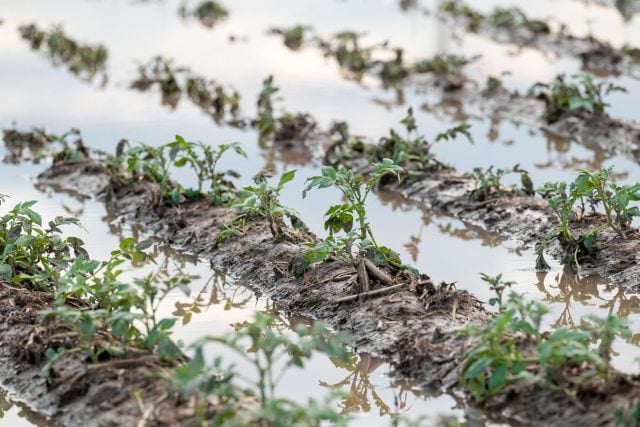
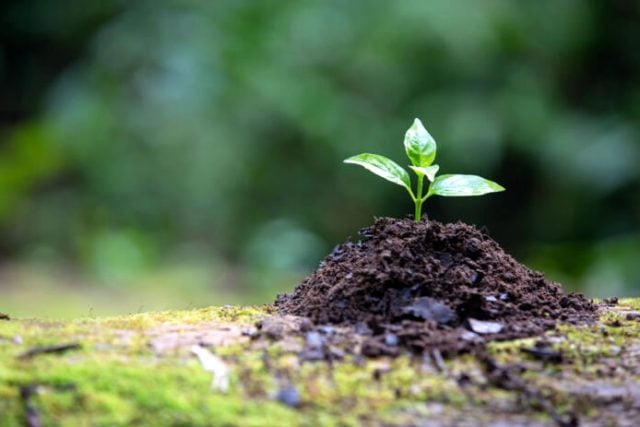
Every July 7th, International Soil Conservation Day is observed to highlight the importance of one of the most essential resources for life on Earth.
In this context, the organization Animal Interseccional emphasized that soil degradation cannot be assessed in isolation, as it is deeply connected to the prevailing food production and consumption model in Latin America and worldwide.
«Soil is much more than just dirt. It supports ecosystems, serves as the largest terrestrial reservoir of organic carbon, and is home to millions of organisms that enable plant and animal life,» noted Animal Interseccional in a statement marking the occasion.
Key Facts
According to the FAO, over 33% of soils worldwide show some degree of degradation due to erosion, deforestation, and intensive agricultural practices.
In Latin America, the situation is particularly critical, with the expansion of industrial agriculture—especially for animal protein and soybean feed—ranking among the leading causes of soil degradation and loss of biodiversity in the region.
Animal Interseccional believes that addressing soil conservation requires a comprehensive approach that encompasses various dimensions of the issue.
«Land degradation does not affect everyone equally; it is rural communities, indigenous peoples, and ecosystems with lower resilience who bear the harshest consequences of a production model that prioritizes yield over sustainability,» the organization stated.
Consumption Decisions
Everyday consumption decisions directly impact soil health.
This is because the demand for industrial-scale animal products is one of the most significant pressures on land: it requires large areas for grazing and growing animal feed, results in soil compaction, contaminates groundwater, and contributes to greenhouse gas emissions.
«Discussing soil conservation also means considering what we choose to put on our plates each day,» said Jesica Bon Denis, founder and executive director of Animal Interseccional.
«It’s not about blaming anyone but understanding that individual choices, combined with supportive public policies, can transform the system. In a region as diverse and rich in natural resources as Latin America, we have both the urgency and the responsibility to build accessible alternatives for everyone,» Bon Denis emphasized.
«On this day, we invite everyone to reflect on how each daily decision impacts the health of soils and ecosystems. Reducing one’s consumption of animal products, choosing local and seasonal products, and advocating for sustainable labeling and production policies are concrete steps that collectively make a real impact on the lands and communities that inhabit them,» concluded Animal Interseccional.
Obtén tu Pasaporte y apoya a El Ciudadano
Elimina la publicidad, accede a contenido exclusivo y sé parte de la comunidad.
Cancela en cualquier momento · Sin permanencia