Original article: Resistencia en Groenlandia: Pueblo Inuit, los habitantes indígenas milenarios que Trump quiere invadir
The Arctic Struggle: Inuit People Confronting Colonial Annexation Threats and Global Indigenous Solidarity

Amid rising geopolitical tensions in the Arctic, renowned Inuit leader Aqqaluk Lynge voices concerns and fatigue over the threats facing his people. In an interview with El País, the former president of the Inuit Circumpolar Council stated that a U.S. invasion of Greenland would «annihilate our people,» dismissing former President Donald Trump’s ambitions as «nonsense.»
With Inuit making up 90% of the island’s population, their dreams of independence wane against this looming threat, compelling them to reinforce ties with Denmark as a defensive measure. “The political landscape is a struggle for survival,” lamented Lynge, emphasizing the clash between the communal worldview of the Inuit and the extreme capitalism epitomized by Trump.
Resistance is a time-honored pillar for the Inuit, descendants of the Thule, who have inhabited Greenland for thousands of years, developing a complex society rooted in hunting, cooperation, and a symbiotic relationship with the Arctic, as detailed by Groenlandia.com.
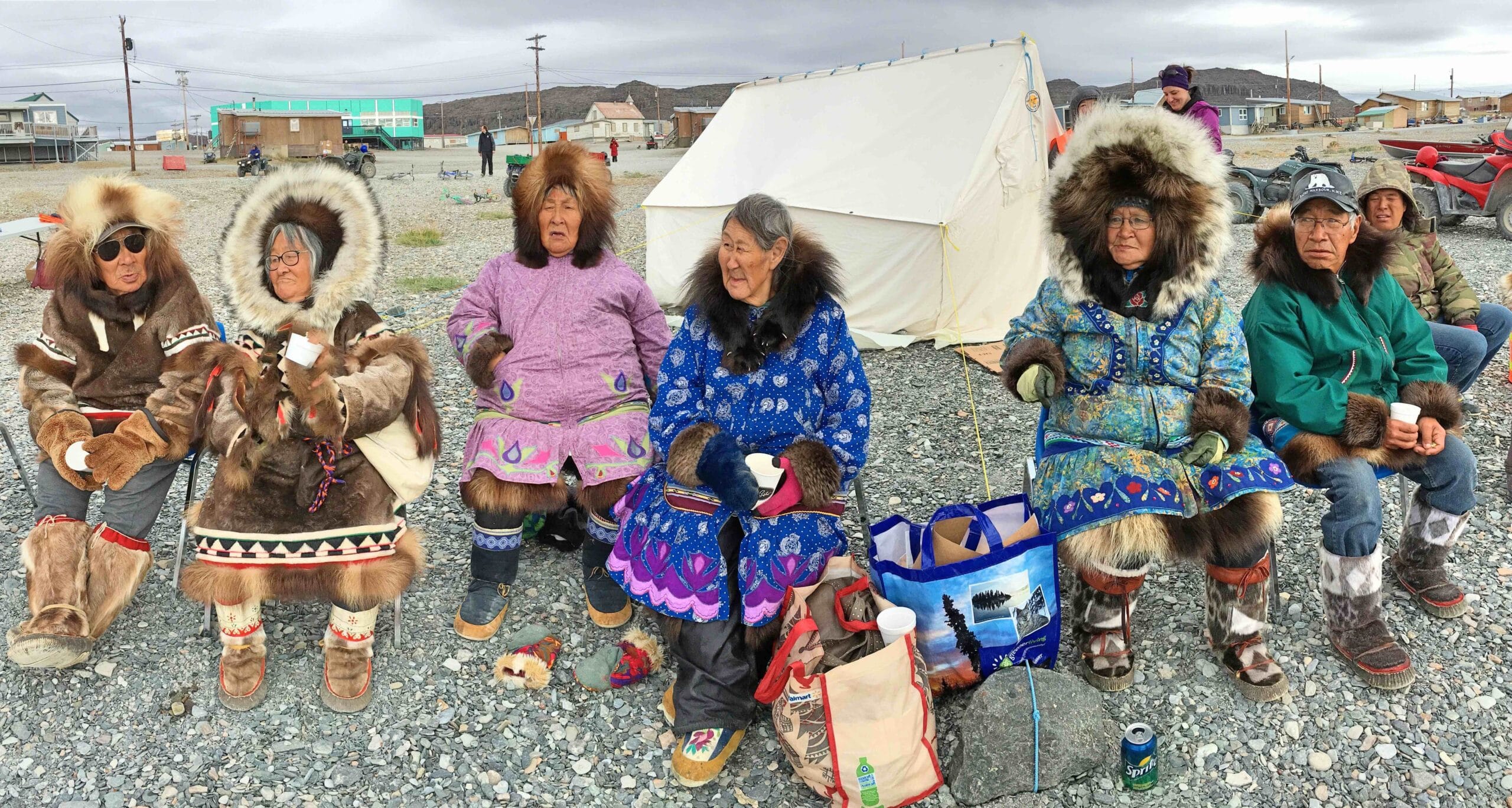
Established in 1979 and expanded in 2009, their self-governance system forbids private land ownership, adhering to principles of communal sharing. This way of life stands in stark opposition to the extractive mindset. Lynge is adamant: “An American wouldn’t last a year here,” critiquing Trump’s fantasies of immediate mining exploitation as unrealistic in a territory still largely covered by snow.
Nonetheless, Washington’s interests are strategic and multifaceted. Jette Kromann’s analysis in Dinamarcala, featured in the International Socialist League, reveals that beneath the national security rhetoric lies an imperial rivalry with China and Russia over Arctic control, emerging shipping routes, and, crucially, the vast island resources.
Marta Torres, writing for OK Diario, outlines that Greenland is home to up to 42 million tons of rare earth minerals (25% of global reserves), critical minerals, hydrocarbons, and gold. This wealth, emerging with the thaw, has turned the island into a coveted prize, largely ignoring the catastrophic environmental and human costs of mass extraction.
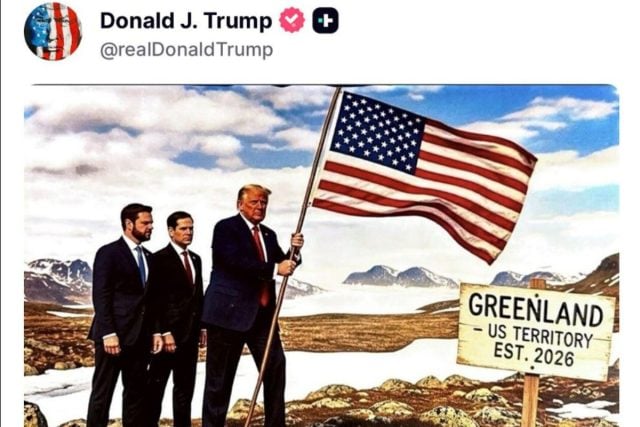
Trump’s stance, which proposed buying or invading Greenland in 2025, has encountered a solid rejection from 85% of its population, according to polls cited by El País.
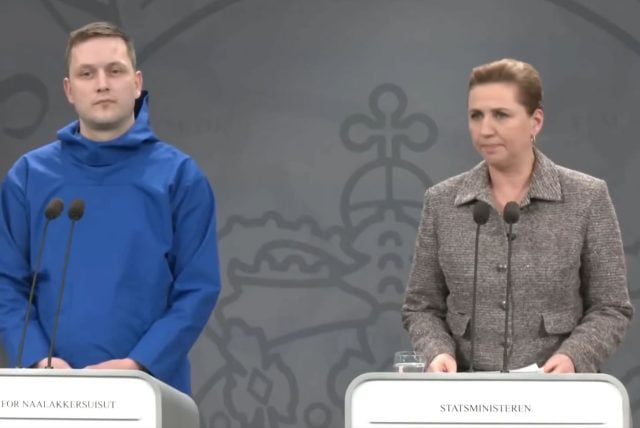
Denmark, supported by the EU, has declared its sovereignty non-negotiable, while European allies are announcing joint military exercises and opening consulates in Nuuk as a deterrent. As Lynge notes, this crisis poses a threat to NATO cohesion and raises a chilling question: “If they do this to us, who will be next?”
“If they touch one, they touch all”: The Wampis Nation of Peru Shows Solidarity with the Inuit People

In a powerful gesture of transcontinental indigenous solidarity, the Wampis Nation from Peru has raised its voice, as highlighted by the portal SERVINDI.
In a statement published by the outlet, this Amazonian people expressed unwavering support for the Inuit, calling to «halt the return of ethnocidal and ecocidal colonizing violence.» Their solidarity is grounded in a sacred principle: “if they touch one, they touch all,” recognizing the historic leadership of the Inuit in the global fight for Indigenous rights and autonomy.
The Wampis Nation, as noted by Servindi, sharply criticizes the true motivations behind the «media theater of ‘security’»: the greed for rare earths, gold, and critical minerals. “The Wampis Nation knows the hell caused by gold mining,” they state, projecting their bitter experience onto the impending Arctic threat. They warn that this «colonial monster» would align with «climate and radioactive monsters,» as the mineral deposits are intrinsically linked to uranium and thorium, condemning humanity to global toxic contamination.
With profound insight, the Wampis Nation links the fate of the Arctic to that of the planet. They argue that global powers, in their extractivist addiction, are indifferent to the fact that Greenlandic melting —264 billion tons annually— is already rising sea levels and destroying coasts. Unfettered mining would exacerbate this catastrophe, impacting “the human life not only of the Inuit but on a global scale.” Their stance is an ethical call from the front lines of the climate crisis.
Finally, the Wampis Nation calls for collective action, urging continental Indigenous organizations like AIDESEP and COICA to “raise their collective voice and coordinate internationally.” Their message reinforces the central motto of Inuit resistance: “Nothing about us, without us.” This alliance between Arctic and Amazonian Indigenous peoples marks a milestone, transforming territorial defense into a united front against 21st-century neocolonialism.
The support from the Wampis is not isolated; it joins statements from the Sami Council, the Aleut International Association, and the International Treaty Council, among others.
This network of solidarity contrasts sharply with the historic colonial trauma still endured by the Inuit, echoed in documented abuses by the International Socialist League: from the forced adoption of children to the insertion of IUDs without consent in thousands of women and girls by the Danish state.
Faced with pressure from powers that view them as geopolitical pawns, Inuit resistance and resilience, along with their alliance with brother nations, emerge as bastions of dignity. The future of the Arctic cannot be decided in Washington, Brussels, or Copenhagen, but in Nuuk, with the sovereign voice of its ancient inhabitants.
Relacionados
Is Trump Eyeing Greenland? The Neocolonial Expansionism That Alarms Denmark and the Inuit People
Hace 2 meses