Original article: Ballenas muertas en el sur: avanzan investigaciones y Greenpeace exige responsabilidades por enmalles en redes de la salmonicultura y colisiones con embarcaciones
Greenpeace has warned that vessel collisions and entanglements are among the leading causes of whale deaths during their migration along the Chilean coast, criticizing that «some authorities continue to defend and support projects that may further threaten the habitats and migratory routes» of these cetaceans.
On the occasion of World Whale Day celebrated last Sunday, Greenpeace raised its voice to demand concrete measures against the growing threats facing these cetaceans along Chile’s shores.
In a press release, the environmental organization not only highlighted the ecological importance of these marine mammals but also emphasized ongoing legal investigations and the necessity of establishing accountability for the recent whale deaths recorded in the country as a direct result of human activities—specifically due to collisions with vessels or entanglements in salmon farming nets.
«On World Whale Day, Greenpeace urged for the protection of these cetaceans, crucial for the health of our oceans and the planet by providing substantial ecosystem services, such as fertilizing the oceans and sequestering large amounts of carbon in their bodies,» it stated.
Indeed, whales play a vital role in mitigating climate change: throughout their long lives, they accumulate tons of carbon dioxide in their tissues, and upon their death, their remains sink to the ocean depths, sequestering that carbon for centuries. Moreover, their excrement acts as an oceanic fertilizer, promoting the proliferation of phytoplankton, which is responsible for producing over 50% of the planet’s oxygen.
Chile: A Whale Migration Corridor
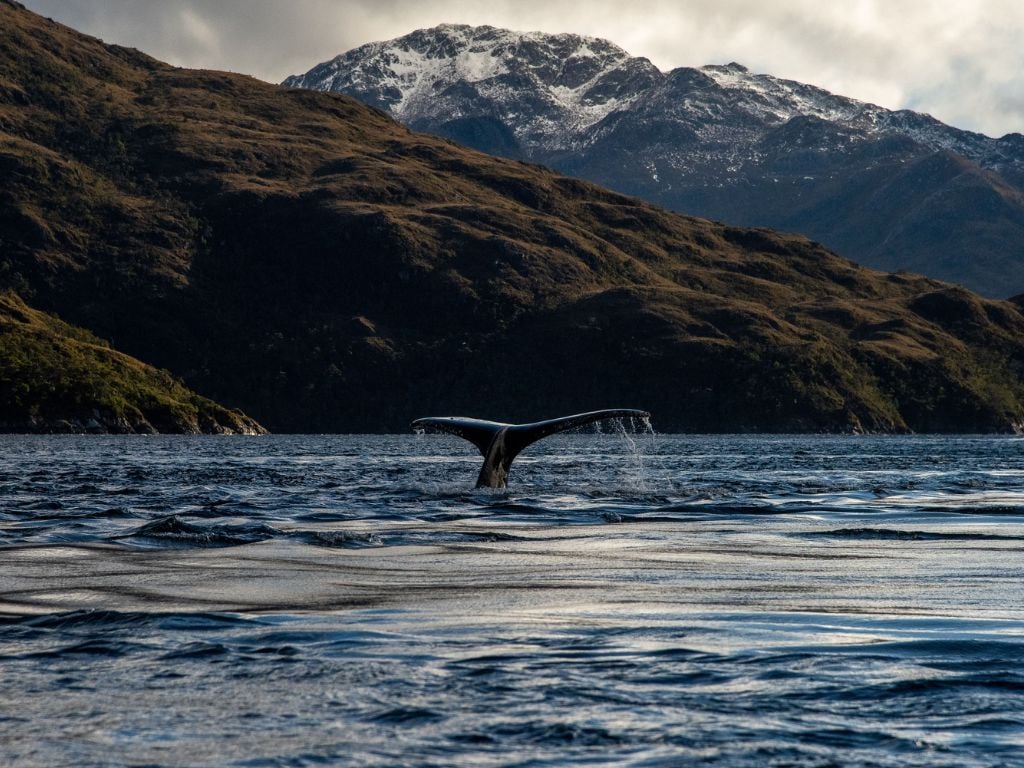
The NGO highlighted that the geographic position of our country is crucial for the survival of multiple cetacean species, including whales, facilitating their annual migratory movements in search of warm waters for breeding or cold, productive areas for feeding.
«Due to our privileged location, Chile serves as one of the world’s main migratory corridors for whales: our country connects the warm coasts of Colombia, Ecuador, and Peru—essential for the reproduction of these mammals—with the cold waters of Patagonia and Antarctica, which function as feeding and refuge zones, making our seas critical in their migrations,» it detailed.
According to the organization, there are particularly sensitive areas where the presence of whales is constant and abundant. Notable regions include «particularly the Corcovado Gulf, located between the Los Lagos and Aysén regions; the Magallanes Region (especially the Francisco Coloane Marine Park); and the Humboldt Penguin Archipelago, situated between the Atacama and Coquimbo regions.» These marine territories are characterized by their high biological productivity, attracting diverse species in search of food.
Silvana Espinosa, an Ecosystems and Climate expert from Greenpeace, elaborated on the reasons for this natural wealth. The specialist explained that in these areas, «it is common to frequently spot species such as sei, humpback, blue, and southern right whales, which are drawn to these regions by the extraordinary biological richness of their waters, thanks to the Humboldt current and coastal upwelling (an oceanographic phenomenon that allows cold, nutrient-rich deep waters to rise to the surface), filling these spaces with krill, small fish, and crustaceans—key in the diet of these cetaceans.»
This oceanographic phenomenon transforms the Chilean coasts into true marine life oases where whales find the sustenance necessary for their extensive migrations.
Threats from Salmon Farming Nets
However, the biological richness of these seas coexists with increasing industrial pressures that are transforming these migratory routes into deadly traps for cetaceans. Greenpeace experts warned that due to heightened industrial maritime activity, our country no longer represents a safe passage for these animals.
«While dead whales have been found in Patagonia due to collisions with vessels or entanglements in salmon farming nets, in the northern part of the country, particularly in the Humboldt Archipelago, we see how the intention to develop a mining port project could seriously threaten their transit through this zone—a biodiversity hotspot because of its unique characteristics that make it a paradise for marine and coastal species,» Espinosa assured.
Ongoing Judicial Investigations
In light of this scenario, Greenpeace has decided to turn to judicial institutions to clarify the causes of whale deaths that have occurred in protected areas of the country. The environmental organization has filed lawsuits against those deemed responsible for the deaths of two young humpback whales, whose lifeless bodies were found in different locations in Patagonia.
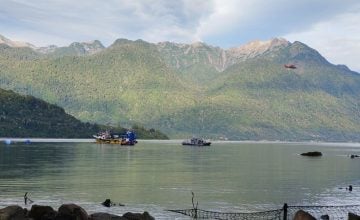
In this regard, the spokesperson for Greenpeace recalled the lawsuits filed by the environmental organization against those found responsible for the deaths of two young humpback whales in San Rafael National Park (Aysén Region) and in the Kawésqar National Reserve in Magallanes. These legal proceedings seek to not only determine the specific causes of each death but also to establish precedents that could prevent future fatalities.
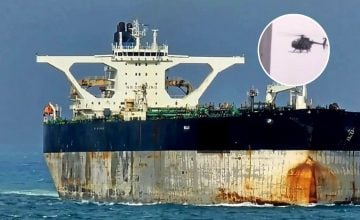
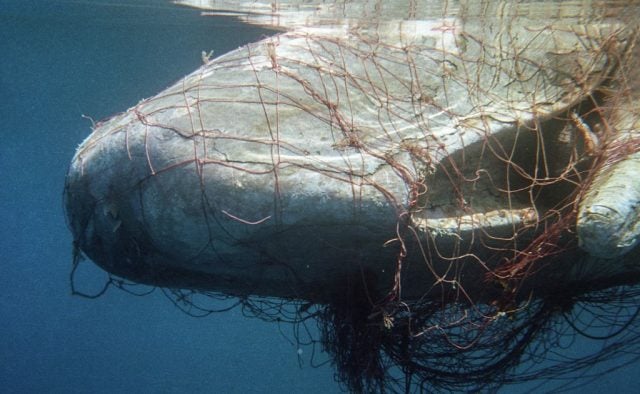
Preliminary results from the investigations highlight industrial activities in the area as direct contributors. According to Espinosa, «these investigations, which continue making progress in the relevant courts, determined that the cause of death for the first specimen was due to entanglement in fishing nets or anchoring lines related to aquaculture activities, while for the whale found in Magallanes, the most probable cause of death was an impact with a vessel.»
These findings are particularly significant for two reasons. First, they confirm the direct link between productive activities and the deaths of juvenile specimens, which should represent the future of the species. Second, both deaths occurred within areas that have some level of protection status, raising questions about the effectiveness of the existing conservation measures in these zones.
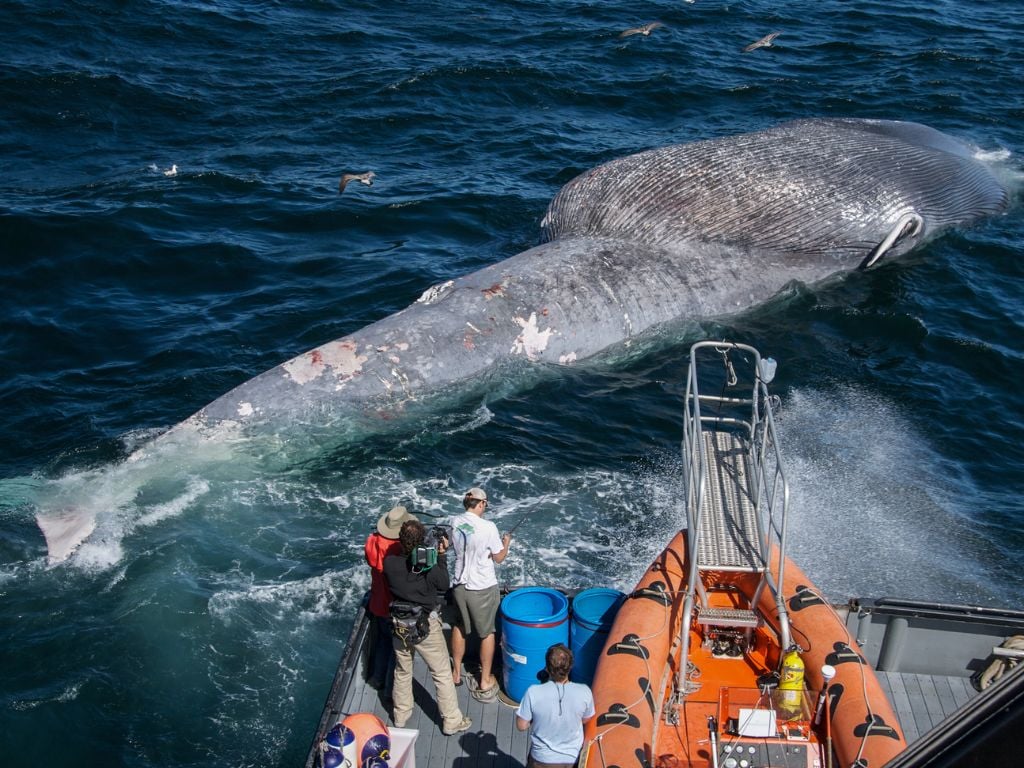
Chile Has the Highest Whale Mortality Rate from Collisions
Greenpeace’s documented situation does not represent isolated cases but rather a worrying trend supported by recent scientific studies. The available figures place Chile in a critical position regarding cetacean conservation at a global level.
«It is important to note that a study published in Marine Policy in 2025 revealed that Chile accounts for the highest whale mortality rate due to vessel collisions, with 28% of whale deaths attributed to this reason, followed by entanglements (7%) and natural predation (3%),» warns the report.
The Dominga Project Under Scrutiny
In this context of high vulnerability for cetaceans, Greenpeace emphasizes the persistence of certain authorities in promoting projects that could significantly increase risks for these species. The organization specifically focuses on the Dominga mining-port initiative located in the Coquimbo region, whose development has been hotly contested.
«It is concerning that, despite knowing this reality, some authorities continue to defend and support projects that may further endanger the habitats and migratory routes not only of these cetaceans but also of hundreds of other species, as seen in the case of Dominga, a mining-port project that would generate intense maritime traffic and acoustic pollution that could alter the natural behavior of cetaceans,» Espinosa alerted.
*Featured Image: Greenpeace
Relacionados
COP30: Highlighting the Contribution of the Eastern Pacific Blue Corridor to Climate Action
Hace 3 meses
6 Compelling Reasons to Boycott Industrial "Chemical" Salmon During Year-End Celebrations
Hace 2 meses
Why Are Whales Dying in Patagonia? Concerns Over Salmon Cages, Vessels, and State Negligence
Hace 3 meses