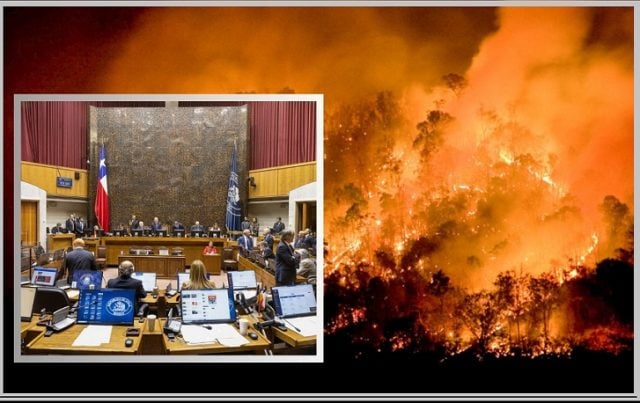
Original article: Legisladores a punto de entrar a vacaciones sin zanjar ley de incendios: Experto concluye que normativa es insuficiente para el país
Fires in Chile and Legislative Recess
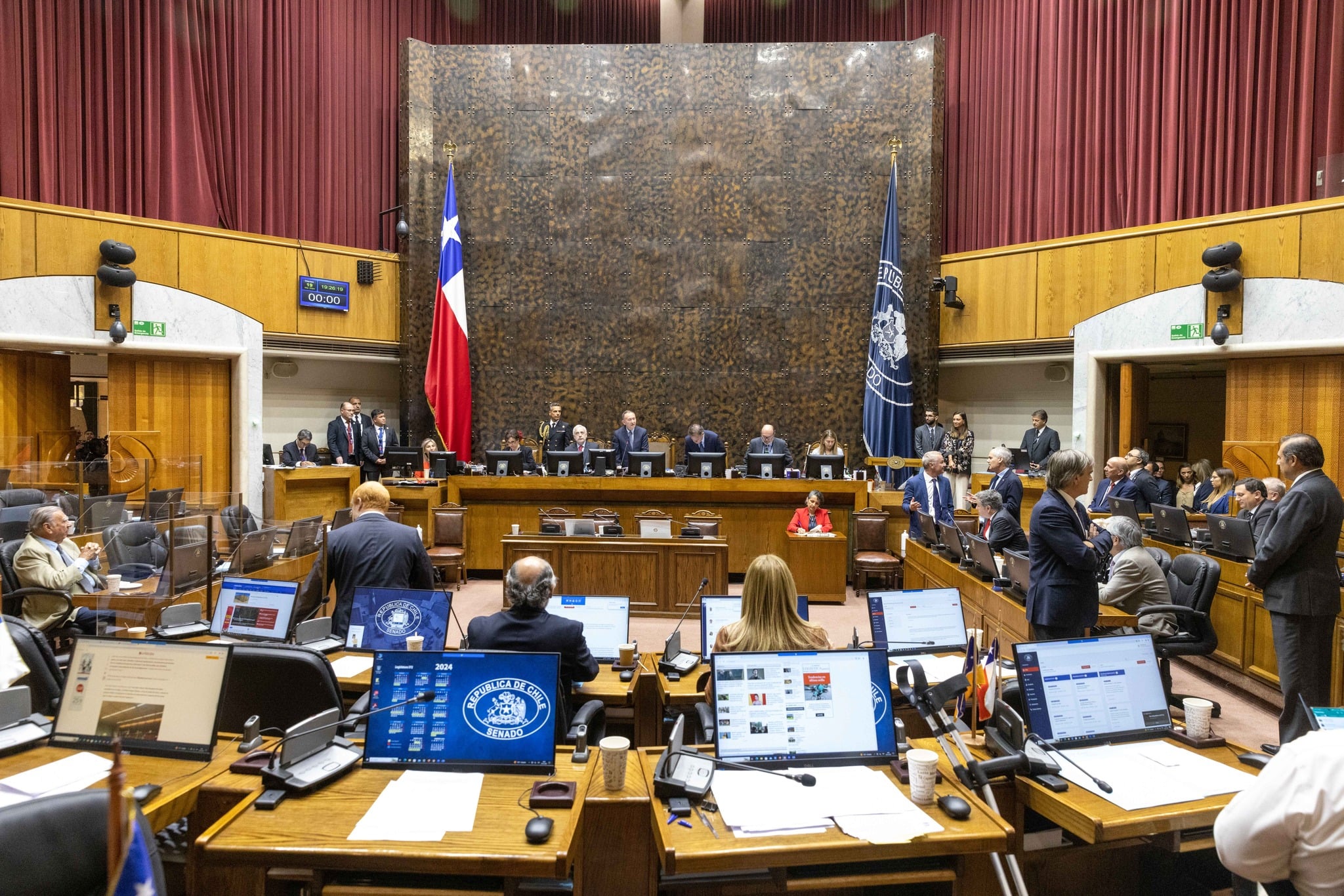
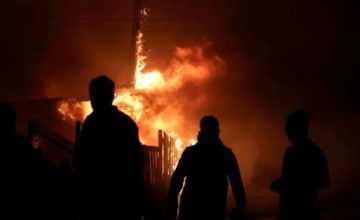
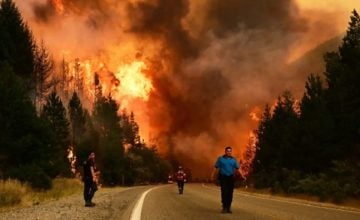
As Chile grapples with a devastating wildfire season, resulting in tragic fatalities and thousands of hectares burned, the National Congress is about to embark on its summer recess, as dictated by its self-regulating rules. The break will begin on Saturday, January 31, and last until March 2.
In this critical context, a key law aimed at preventing and combating these disasters, introduced in 2023, remains stalled in the Senate, reigniting discussions about the state’s response capacity and the urgency of public policies amid the climate crisis.
Civic Petition Launched to Urge Congress to Approve Fire Law
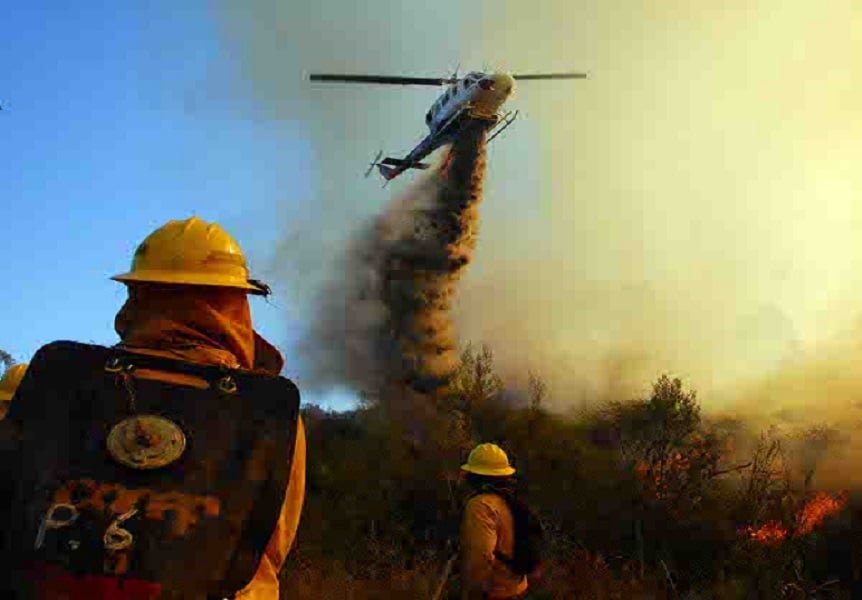
The environmental organization Greenpeace launched the #ChileSinCenizas campaign on Wednesday, January 21, a civic petition aimed at pressuring the Senate to swiftly approve the Forest Fire Prevention Law. This initiative, stalled in its second legislative phase for nearly two years, is considered by the NGO an «essential advancement» to avert future disasters. Silvana Espinosa, climate and ecosystems expert at Greenpeace, criticized the delay, stating, «It’s hard to understand the Senate’s hesitance to proactively move this discussion forward.»
Greenpeace emphasizes the urgency of its appeal based on alarming statistics from the 2025-2026 season. «The area affected has reached 58,934.8 hectares, which marks a 207% increase compared to the prior season, meaning this year has seen three times more land burned,» Espinosa explained. The bill, which has been fast-tracked, was approved by the Chamber of Deputies in March 2024 and has since been stuck in the Senate’s Finance Committee.
Beyond the specific law, Greenpeace underlines the necessity for territorial planning that incorporates risk management, effective prevention policies, environmental education, and the protection of native and water ecosystems. The spokesperson concluded with a call to action: «We cannot wait for the fire to ravage everything again… it’s crucial for the public to demand that parliamentarians immediately pass the law.» The organization has set up a platform for citizens to send pressure messages directly to senators.
Experts: Law Is Necessary but Insufficient
In light of the pressures to push the legislation forward, experts caution that a law alone will not address the underlying issues. Miguel Castillo, director of the Wildfire Engineering Laboratory at the University of Chile, stated in an interview with Radio y Diario Universidad de Chile that “the worst damages caused by fires stem from inadequate or delayed prevention measures.” For Castillo, prevention must be anticipatory and territorial, something that “is not currently being done,” necessitating consistent efforts throughout the year.
The academic stressed that the discussion cannot be limited to a government issue. According to Radio y Diario Universidad de Chile, Castillo emphasized: “The issue of wildfires cannot be viewed as a government problem, but as a state challenge. We need a comprehensive fire management policy that does not yet exist in Chile.” Similar sentiments were echoed by emergency management expert Michel De L’Herbe, who criticized the system’s centralization and the lack of resources for community prevention, deeming the national training budget of 84 million pesos as “insignificant.”
Both specialists agree that responsibility does not solely lie with the state. “This is not a natural disaster; it is a disaster caused by human activity,” Castillo underscored. De L’Herbe warned that without structural changes, tragedies will persist, recalling that in three of the last four seasons, records for fatalities have been broken. The final warning is clear: without predictive, territorial, well-funded, and sustained prevention efforts, wildfires will continue to be a looming catastrophe in Chile.
Relacionados
Ñuble: Three Individuals Charged for Causing Forest Fire that Burned 150 Hectares in Chillán Viejo
Hace 3 meses
Justice Takes Action: Israeli Tourist Fined and Banned from Chile for Fire Use in Torres del Paine
Hace 1 mes
Thirty Israeli Tourists Expelled from Torres del Paine for Smoking in Prohibited Areas
Hace 2 semanas