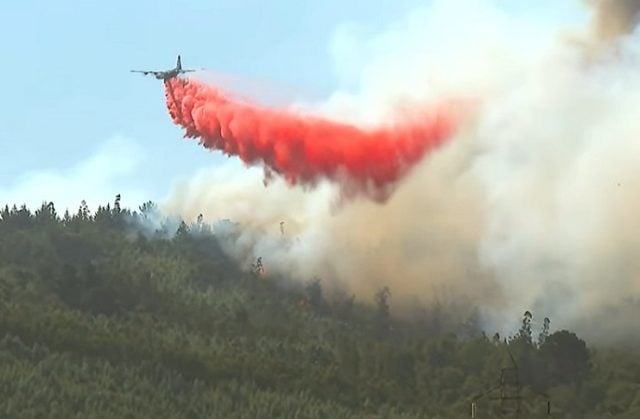
Original article: «La vida, el agua y los territorios están siendo devastados»: 135 organizaciones responsabilizan al modelo forestal de los megaincendios en el Biobío
Biobío Catastrophe is a «Predictable and Forewarned Result»: Large Coalition of 135 Entities Calls for a Moratorium and Comprehensive Repair
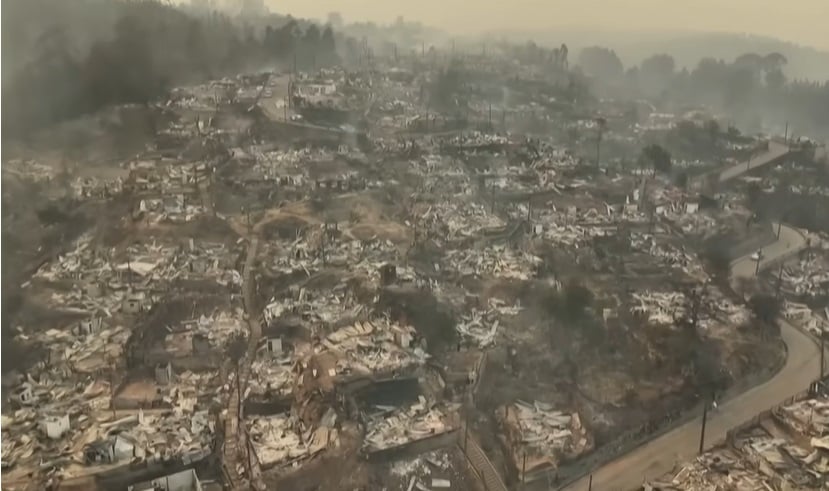
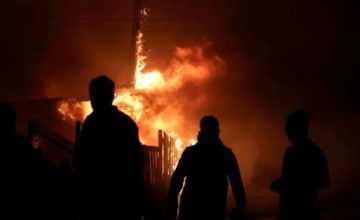
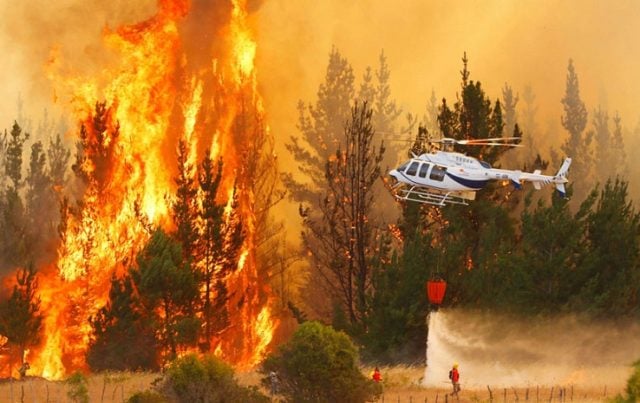
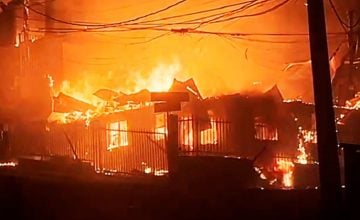
A broad coalition of 135 organizations and one individual, primarily from the Biobío region and various parts of the country, has convened to denounce the humanitarian and ecological devastation caused by mega forest fires that have ravaged areas like Penco, Lirquén, Florida, and Concepción since mid-January.
In a public statement, the signatory entities assert that this catastrophe, which has destroyed communities, watersheds, and ecosystems, is neither an isolated event nor a natural occurrence but rather the «predictable and forewarned result» of climate change, the proliferation of pyrophytic monoculture forestry (pine and eucalyptus), and poor land-use planning, compounded by the «indifference, negligence, and ambition of political and business actors».
The statement recalls previous tragedies in 2017, 2023, and Valparaíso in 2024, demanding urgent and structural measures. Key among these are comprehensive reparations for victims, an immediate halt to forestry expansion and new extractive projects, and the implementation of effective firebreaks along with ecological restoration plans funded by industry players.
The organizations reject the greenwashing prevalent in the sector and directly hold the extractive forestry model accountable, calling for the declaration of the regions between Valparaíso and La Araucanía as «Saturated Zones of Forestry Extractivism». This declaration aligns with previous warnings from the 11th Tribunal on the Rights of Nature in January 2024, whose recommendations have been reportedly ignored by authorities.
See the full public statement below:
Penco, January 2026
LIFE, WATER, AND TERRITORIES ARE BEING DEVASTATED
Biobío organizations gather to respond to the emergency posed by mega fires.
In light of the catastrophe we once again face in the Biobío region due to the mega forest fires that began in mid-January and have destroyed communities, watersheds, and ecosystems especially in Penco, Lirquén, Florida, and Concepción, we cannot remain indifferent. Thus, the territorial, cultural, and socio-environmental organizations that have convened denounce that the human, non-human, and material losses that fill us with sorrow today are a predictable and forewarned result of the interplay between climate change, forestry monocultures, and a lack of sustainable land-use planning maintained by the indifference, negligence, and ambition of political and business actors.
This new catastrophe, which brings grief to the nation and primarily affects low-income sectors, is not an isolated event. We experienced similar disasters in 2017 across the regions of Valparaíso, Maule, Ñuble, and Biobío, which consumed over 25,000 hectares, resulted in 19 human lives lost, and inflicted immeasurable damage to other forms of life; or in 2023, when 24 people died with Ñuble, Biobío and Araucanía being the most affected regions. The most recent tragedy in Valparaíso in 2024 claimed 134 lives, with many affected families still lacking a permanent home to resume their lives.
Forest fires are socio-environmental disasters whose psychological and communal impacts transcend material and economic losses, affecting families and entire communities in various ways, increasing their vulnerability. Evidence regarding mega fires in Chile warns that the transformation of landscapes into exotic pyrophytic plantations (pine/eucalyptus) can impact the magnitude and intensity of fires. Based on this certainty, organizations and individuals have long demanded land-use planning that protects the urban-rural interface and biodiversity, limiting forestry expansion and its scope within territories.
In January 2024, the 11th Local Tribunal for the Rights of Nature, Case Biobío, heard testimonies from communities and the Mapuche people affected by the fires of 2023 and documented the impacts of forestry extractivism and fires that devastated over 479,000 hectares. This tribunal called for ecosystem restoration, a moratorium on the expansion of invasive monocultures, Indigenous consultation and participation, and urgent environmental reforms, including granting rights to the Biobío River, Cerro Cayumanqui, the Nahuelbuta mountain range, and Queule.
Despite these ethical, territorial, and socio-ecological warnings, the government has persisted in favoring the forestry model, exemplified by the Biobío Industrial Strengthening Plan which encompasses a strategy of 32 measures to «accelerate» investments in public and private projects for swift implementation. This includes a «Strategy to increase forest plantations in the territory.»
In light of this, we demand:
- Comprehensive reparations for individuals and communities affected by the fires, including material, psychosocial, and community reparations with a territorial and rights-based approach.
- Direct compensation for affected families, freezing construction material prices, and providing rental subsidies until permanent housing solutions are in place.
- Immediate planning and execution of safe housing solutions, especially for residents in urban-rural interface zones and fire victims, incorporating: a) Adequately signposted evacuation routes. b) Firebreaks built to standard anticipating mega fire scenarios. c) Effective protection of water bodies and sensitive areas.
- Immediate halt to the processing and establishment of additional extractive projects, particularly rare earth mining or other high-impact industries in areas recently affected by fires.
- Mandatory and immediate inclusion of urban-rural interface protection plans and protected areas, through protective rings or buffer zones free from forestry monoculture, with a minimum effective clearance (greater than 50 meters).
- Firebreaks within large forest plantations, designed and maintained to stop or slow the advance of mega fires, with ongoing public oversight, holding them accountable for the effects generated by fires within their properties.
- Design and maintenance of resilient landscapes as a central prevention strategy, prioritizing landscape heterogeneity, ecological restoration, and reducing fuel continuity. This includes prohibitions on changing land use to industrial or extractive uses that jeopardize health, life, and ecosystems.
- Implementation of policies for controlling and eradicating invasive exotic species, especially wild plantations affecting reserves, national parks, and native ecosystems, linked to comprehensive ecological restoration plans.
- Halt to the expansion of forest plantations as they constitute a proven risk factor for the occurrence, propagation, and severity of forest fires.
- Transformation of current regulations to include dense pine and eucalyptus plantations in the environmental evaluation system, considering climate change as a permanent threat to life.
- Declaration of the regions between Valparaíso and La Araucanía as «Saturated Zones of Forestry Extractivism», addressing the cumulative, extensive, and persistent impacts on human communities and ecosystems.
- Review and modification of regional and local development and land-use plans and strategies, with effective participation from the public, private sectors, and organized civil society, prioritizing the integral well-being of people, biodiversity conservation, and structural reduction of fire-related risk factors.
- Guarantee of planning processes with an ecosystemic, intercultural, and socio-environmental justice focus, that incorporate recommendations from ethical and territorial instances, built from the ground up.
- Demand that forestry companies fully finance the repair of damages caused to human communities and biodiversity, with a special focus on companies such as Arauco, Mininco, and CMPC.
- Implementation of comprehensive socio-ecological restoration and regeneration plans, financed by both business and state sectors, aimed at recovering watersheds, degraded ecosystems, and areas impacted by recurrent fires.
We do not believe in greenwashing nor in the sustainable image projected by forestry and mining companies. Their unchecked exploitation of nature, territories, and land is responsible for robbing us of our future and that of generations to come.
We express our solidarity and support to all individuals, families, and communities once again facing moments of anguish and sorrow, urging them to organize, denounce those directly and indirectly responsible for these catastrophes, and demand responsible use of soil, water, and nature.
Signing Organizations:
- Corporación Parque Para Penco – Región del Biobío
- Alianza por los Derechos de la Naturaleza – Región del Biobío
- Red por la Superación del Modelo Forestal – Región del Biobío
- Fundación Manzana Verde – Región del Biobío
- Comité de Defensa del Valle de Patagual- – Región del Biobío
- Coordinadora Chorera – – Región del Biobío
- Fundación Chile Sin Ecocidio – Región del Biobío
- ONG We Kimün – Región del Biobío
- Fundación Pongo – Región del Biobío
- Red de Humedales del Biobío – Región del Biobío
- Centro cultural FRONTERA SUR – Región del Biobío
- Fundación El Árbol – Región del Biobío
- Defensa Ribera Norte Chiguayante – Región del Biobío
- Corporación Mawizako – Región del Biobío
- ONG Defensa Ambiental – Región del Biobío
- Observatorio Latinoamericano de Conflictos Ambientales OLCA – Región del Biobío
- Casa en Vuelo – Región del Biobío
- Libros al Aire – Región del Biobío
- Las Manuelas Muralistas – Región del Biobío
- Fundación ReVerdes – Región del Biobío
- Red Surtropías – Región del Biobío
- Soma Publicaciones – Región del Biobío
- Casa 916 – Región del Biobío
- Corporacion Weche Newen – Región del Biobío
- Comunidad ARAUCO – Región del Biobío
- ONG Conciencia Sur – Región del Biobío
- Comité por la memoria Dante Campana – Región del Biobío
- Asamblea Barrio Puchacay – Región del Biobío
- Pewma Educación Con la Naturaleza – Región del Biobío
- Sacar la Voz Biobío – Región del Biobío
- Corporación medioambiental Más árboles y menos basura – Región del Biobío
- Centro Cultural Víctor Jara de Boca Sur – Región del Biobío
- Bosques de Chacay – Región del Biobío
- ONG CETSUR- Región del Biobío
- Brigada Estudiantil de Voluntarios – Región del Biobío
- Casa taller la escoba – Región del Biobío
- Humedal Pichimapu – Región del Biobío
- Coordinadora de Walkün- Región del Biobío
- Agrupación Junquillar – Región del Biobío
- Activa tu Presente Con Memoria – Región del Biobío
- Recuperemos el Humedal Vegas de Coliumo Litril – Región del Biobío
- Fundación Reverdecer – Región del Biobío
- Consejo Comunal para el Patrimonio Tomé – Región del Biobío
- Coordinadora Territorial Tomé – Región del Biobío
- Colectivo Mesa 8 – Región del Biobío
- Asociación Indígena We Pu Repu – Región del Biobío
- Movimiento socioambiental Talcahuano – Región del Biobío
- Centro Cultural Toda la Teoría del Universo – Región del Biobío
- Redcultural Plan b – Región del Biobío
- Transónica – Región del Biobío
- Proyecto Vermut- Región del Biobío
- Grupo Suple- Región del Biobío
- Discos Cetáceos- Región del Biobío
- Octava Rebelde- Región del Biobío
- Libélula coja – Región del Biobío
- Taller de amigos – Gestión Cultural – Región del Biobío
- Mutual Bautista Van Schouwen – Región del Biobío
- Asociación Enredadera Redes de Acción para la Innovación Pública – Región del Biobío
- Comunidad Sorda de la Región del Bio – Bio – Región del Biobío
- Asociación Regional de Sordos de Concepción – Región del Biobío
- Club Deportivo de Sordos de Concepción – Región del Biobío
- Centro Cultural Nuestras Manos – Región del Biobío
- Patrimonio en Diálogo – Región del Biobío
- Fundación Espiral Sur – Región del Biobío
- Movimiento por la Unidad Docente Bio Bio – Región del Biobío
- Anatrap Biobío (Asociación Nacional de Trabajadores/as del Patrimonio – Región del Biobío
- Protejamos Lo Méndez – Región del Biobío
- Cooperativa tierrasur medicinal – Región del Biobío
- Movimiento Ciudadano Salvemos el Lago Nongüen – Región del Biobío
- RAMA Red Creativa – Región del Biobío
- Labcrimen – Región del Biobío
- Agregar Raíces Comunitarias – Región del Biobío
- Asocicación de Propagadores de Flora Nativa Peuma Florida- Región del Biobío
- Ruderales – Región del Biobío
- Sindicato de Oficios Varios Frontera Biobío – Solidaridad Obrera – Región del Biobío
- Cicloturismo San Pedro de la Paz – Región del Biobío
- Teatro Resistencia – Región del Biobío
- Comité de Seguridad Social, Productiva y Medioambiental, San Ramón Quillón – Región de Ñuble
- Oficios de Nahuelbuta – Región del Biobío
- Leslie Fernández Barrera – Región del Biobío
- Bichas del Biobío – Región del Biobío
- Pan y Rosas Teresa Flores – Región de La Araucanía
- Consejo Ecológico de Molina – Región del Maule
- Mataquito río abajo – Región del Maule
- Fundación La Rueca – Región de Arica y Parinacota
- ATTAC Argentina – Región de Arica y Parinacota
- Cooperativa Manos con Memoria – Región de Arica y Parinacota
- Circulo Ancestral – Región de Arica y Parinacota
- Coordinadora Tocopilla Digna – Región de Antofagasta
- Comisión de DD.HH. de Limache – Región de Valparaíso
- Operativos veterinarios aconcagua – Región de Valparaíso
- Lakitas Resistencia Akunkawa – Región de Valparaíso
- Wanaku Akunkawa – Región de Valparaíso
- Fundación Ngenko – Región de Valparaíso
- Organización Socio Ambiental Millankura San Antonio – Región de Valparaíso
- Coordinadora de Defensa Akunkawa – Región de Valparaíso
- Centro Comunitario de Rodelillo – Región de Valparaíso
- Comité de DD.HH. y Ecológicos de Quilpué – Región de Valparaíso
- Fundación Endémica – Región de Valparaíso
- Consejo territorial Mapuche de Galvarino – Región de La Araucanía
- Comité de Agua Potable Rural de Mashue – Región de Los Ríos
- Asamblea de Mujeres Insulares por las aguas Región de Los Lagos
- Isla Huillín – Región de Los Lagos
- Movimiento Tarahuillin – Región de Los Lagos
- Huillines sin fronteras – Región de Los Lagos
- Colectiva Maritorias- Región de Los Lagos
- ONG Ecosistemas – Región Metropolitana
- Radio La Voz de Paine – Región Metropolitana
- Radio Humedales – Región Metropolitana
- Modatima Chile – Región Metropolitana
- Casa Memoria José Domingo Cañas – Región Metropolitana
- AMME – Región Metropolitana
- Comparsa de Tumbe Cardo Negro – Región Metropolitana
- Junta de Vecinos Trinidad N°13 – Región Metropolitana
- Sindicato Sintrac Democrático – Región Metropolitana
- Federación de sindicatos Cerrillos Maipú – Región Metropolitana
- ¡Radio Miño! memoria y acción obrera.- Región Metropolitana
- Recadungun – Región Metropolitana
- Cooperativa de Abastecimiento Juntos Compramos- Región Metropolitana
- Comedor Popular Maximiliano Rodríguez – Región Metropolitana
- Comité Ambiental Comunal de la comuna de Paine – Región Metropolitana
- Red de Titiriter@s de Chile- Región Metropolitana
- Colectivo de danzas andinas quillahuaira- Región Metropolitana
- Asamblea de Trabajadoras y Trabajadores – Región Metropolitana
- Asociación de Mujeres Indígenas Mapuche Ad Llallin – Región Metropolitana
- Cimunidis – Región Metropolitana
- Coordinadora Ambiental El Bosque San Bernardo – Región Metropolitana
- Reparemos- Región Metropolitana
- Isla Aventura – Región Metropolitana
- Comisión Ética contra la Tortura – Región Metropolitana
- Colectivo VientoSur – Región Metropolitana
- Plataforma América Latina y el Caribe Mejor Sin TLC – Región Metropolitana
- Chile Mejor sin TLC – Región Metropolitana
- Minga por la Causa – Región Metropolitana
- Juĺio Araya Toro (writer and poet) – Italy
Complementary Information:
11° Local Tribunal on the Rights of Nature, January 10-12, 2024
Judgment CASE: Forestry Model in Biobío
2020 Study Warned of Fire Risks in Penco and Lirquén: State Firebreaks Insufficient
Relacionados
Catástrofe por incendios forestales en Chile: Nuevamente el modelo de la industria forestal en la palestra
Hace 7 días
State of Emergency Declared in Ñuble and Biobío Due to Devastating Wildfires: Numerous Homes Affected and Thousands Evacuated
Hace 1 semana