Original article: Monte Patria: Estudio científico detectó un pesticida prohibido en la zona precordillerana del Río Grande
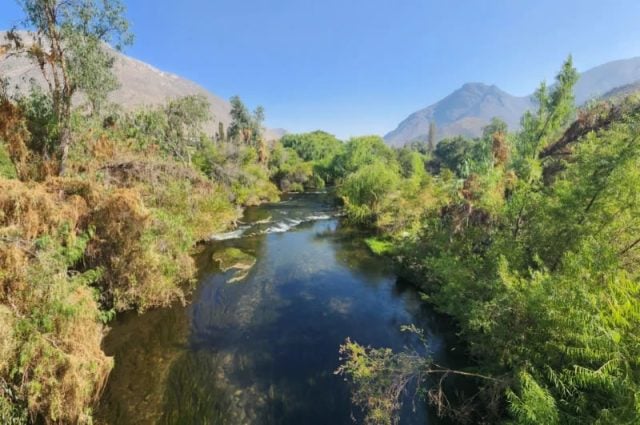
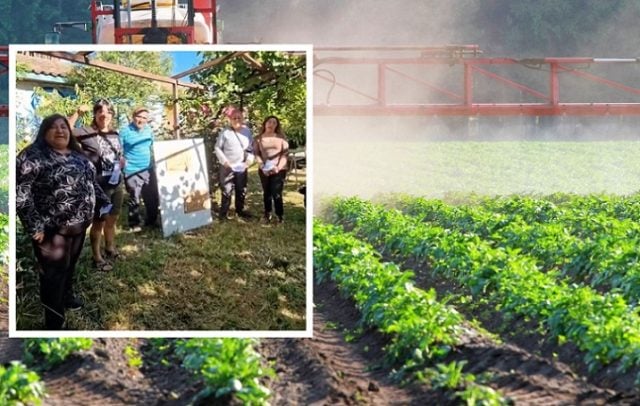
A recent scientific study conducted in the Limarí basin has raised environmental alarms after confirming the presence of various agrochemicals, including several banned pesticides, in the waters of the precordillera region of Río Grande, located in the municipality of Monte Patria.
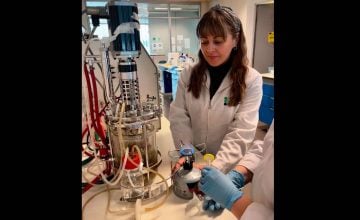
This information was highlighted in a report by the local media outlet El Ovallino, detailing that the research, led by Dr. Nicolás Gouin, an academic from the University of La Serena and expert in Molecular Ecology, aimed specifically to detect the presence of pesticides contaminating rivers in this mountainous area.
„Unfortunately, we did detect pesticides of various compound types in Limarí,“ explained the researcher to the mentioned media source.
„But not only did we confirm their presence. The team also assessed the environmental impact based on the levels of toxicity and concentration found, concluding that there is a potential impact on the biota in general, not just on aquatic fauna. This was demonstrated by analyzing the species Andesiops torrens, an aquatic larva that inhabits freshwater rivers and streams before transforming into a terrestrial insect,“ adds the El Ovallino publication.
Regarding the Andesiops torrens, the specialist noted that it is a small endemic species that is highly sensitive to water quality and flow.
Now, this study has shown that it is also highly susceptible to the presence of agrochemicals, reacting epigenetically to the presence of contaminants such as pesticides.
„This means that a chemical modification of its DNA occurs as a direct effect of the action of agrochemicals,“ added Dr. Gouin, who pointed out that another very concerning finding was the detection of traces of carbofuran, a banned pesticide, noting that while the study was published in 2025, the sample collection took place in 2021.
In this regard, the academic announced that this year they will initiate a new project to continue monitoring various sectors of Monte Patria. «This new study aims to evaluate the presence of pesticides over three seasons, their relationship with invertebrate biodiversity, and the molecular responses of certain sensitive species,» emphasized Dr. Gouin.
Read the full report from El Ovallino HERE
We will continue to provide updates.
Relacionados
"No More Poison!": Farmers Raise Alarm Over Health and Environmental Crisis Caused by Agrochemicals in Maule Region
Hace 4 meses

Study Confirms Bike Lanes Reduce Conflicts Between Cyclists and Pedestrians in Santiago
Hace 4 meses