Original article: Oposición lleva la megarreforma de Kast al TC: cuestiona el blindaje tributario y las indemnizaciones a empresas por permisos ambientales anulados
The opposition is bringing the economic and tax mega-reform spearheaded by José Antonio Kast’s government to the Constitutional Court (TC) with three demands that aim to dismantle the most controversial pillars of the initiative.
The legal assault focuses on two main fronts: the tax invariability for up to 20 years for large investments and the contentious regime of financial compensation for projects whose Environmental Qualification Resolutions (RCA) are nullified by the judiciary.
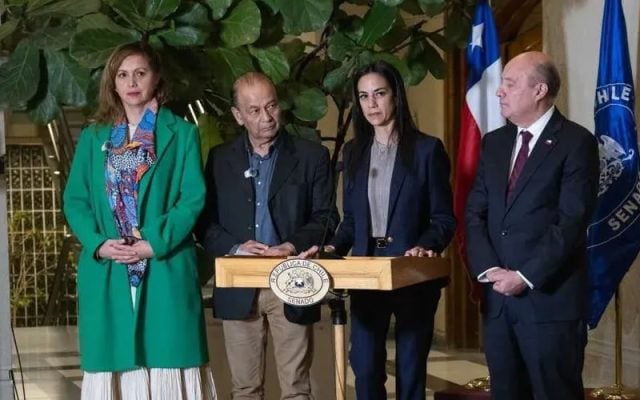
Following the approval in the Chamber of 27 out of 28 amendments put to a vote during the third stage, the opposition bloc confirmed they will approach the TC to halt the reform before its promulgation. On Tuesday, a group of 21 senators presented two demands, while 62 representatives signed a third claim, all submitted separately but with a common goal: to declare unconstitutional the rules that, in their view, tie the hands of future administrations and grant unacceptable privileges to the private sector in environmental matters.
At the heart of the controversy is the article establishing tax invariability for investment projects exceeding $50 million. Defended by the ruling party as a key incentive to attract capital, the law freezes tax rules for a period ranging from 10 to 20 years, depending on the size of the project. The opposition lawmakers behind the demands argue that this mechanism violates the democratic nature of the Republic as enshrined in Article 4 of the Constitution by restricting the decision-making capacity of Congresses and governments emerging from future electoral processes. In their argument, they warn that accepting this formula would equate to allowing a temporary majority to declare a law unchangeable, effectively blocking future majorities from enacting modifications.
Tax Immunity for Companies and Their Environmental Projects
The second major axis of the opposition’s impugnation targets the tax immunity designed for environmental projects. The mega-reform stipulates that the Treasury must compensate holders of initiatives in the event of a final ruling nullifying their Environmental Qualification Resolution, covering direct and unrecoverable expenses. The opposition deems this proposal unconstitutional, arguing that it transforms the illegality of an administrative authorization into the basis for compensation, without requiring the benefiting company to demonstrate a lack of service from the State, and with an arbitration tribunal that would merely set the compensation amount.
The petitioners from PS, PPD, DC, FA, PL, and PC argue that this privileged status violates equality before the law and due process, as it creates a special avenue for large companies that is not available to other citizens. They also question the exclusion of the possibility for the State to seek recourse against the officials responsible for the error, creating what they consider an automatic compensation system that could incentivize negligence in environmental assessments.
According to the lawmakers, this law directly undermines the right to live in a pollution-free environment and the constitutional regime of state responsibility, as reported by El Mostrador.
Opposition’s Message to the TC: “The Fate of Our Democracy is in Your Hands”
The third demand, pushed by the lawmakers, not only supports the previous arguments but also incorporates objections to changes in the General Fisheries and Aquaculture Law that facilitate the relocation of concessions, and harshly criticizes the rule that restricts third-party claims against an RCA solely to unassessed issues during the administrative procedure.
Opposition legislators maintain that this limitation reduces access to justice for communities and individuals who did not participate in the initial assessment, as noted by the medium cited.
They also challenge the six-month maximum limit for protective measures from environmental courts, arguing that an automatic expiration date limits the protection of ecosystems while litigation is ongoing.
The president of the PPD, Raúl Soto, conveyed a message to the ministers responsible for exercising constitutional control over the laws, indicating that «the fate of our democracy rests in the hands of the Constitutional Court.»
Obtén tu Pasaporte y apoya a El Ciudadano
Elimina la publicidad, accede a contenido exclusivo y sé parte de la comunidad.
Cancela en cualquier momento · Sin permanencia