Original article: Más de 600 familias afectadas: INDH oficia a autoridades por falta de suministro de agua potable en Temuco
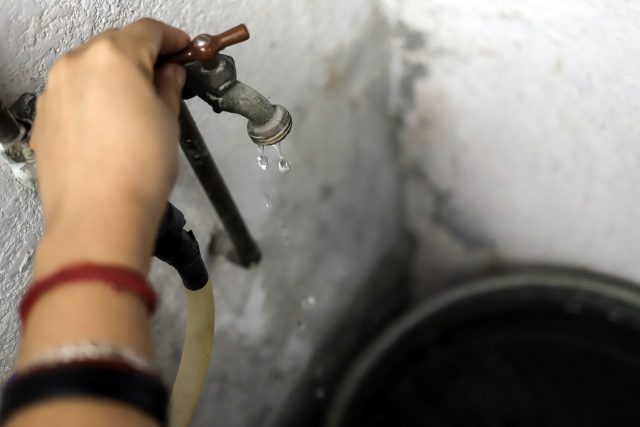
The Araucanía branch of the National Institute of Human Rights (INDH) has reported that it is monitoring the lack of access to potable water affecting over 600 families in the rural area of Mañío, Temuco.
According to information gathered by the INDH, the rural water supply system (APR) that services the region is inadequate and requires ongoing support from water trucks throughout the year. The situation worsened this summer after the withdrawal of the truck support that alleviated supply difficulties, the institution stated.
In this context, Federico Aguirre, head of the INDH in Araucanía, emphasized that «providing sufficient and quality potable water, even through water trucks, is a responsibility of the State, which must make the necessary efforts to address a critical situation like the one the INDH has acknowledged, particularly affecting vulnerable groups such as children and the elderly.»
Aguirre added, «In line with our mandate, we are gathering all relevant information to study potential actions to ensure that the human right to water is effectively guaranteed.»
Official Communications Sent
The INDH has already sent official communications regarding this issue to the Presidential Delegation, the Subdirectorate of Rural Sanitary Services (SSR), the Directorate of Hydraulic Works, and the Municipality of Temuco to understand the reasons behind the situation and the measures that will be adopted to resolve it.
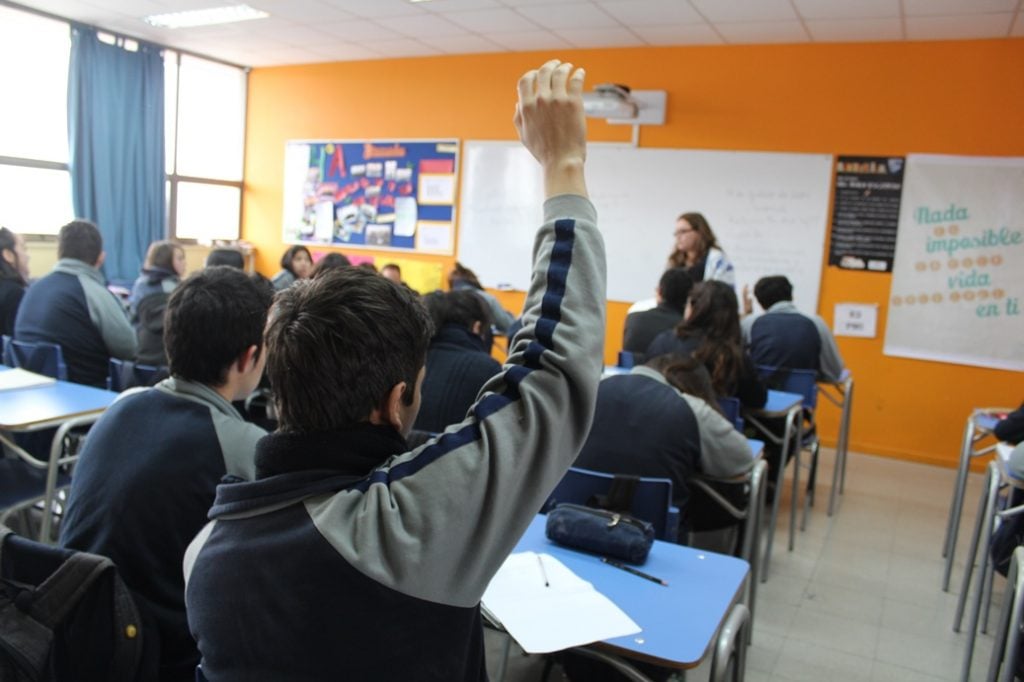
This problem has also affected educational institutions, including the Mañío Chico Kindergarten, Mañío Chico School, and School 288 La Espiga.
«International human rights standards establish that it is the duty of states to guarantee the right of all individuals to access sufficient, safe, acceptable, and accessible water in both physical and economic terms, without discrimination,» emphasized the INDH.
Following these criteria, the Institute reminded that «the Supreme Court has stated on multiple occasions that every person, by virtue of their dignity, has the human right to access potable water under conditions of equality and non-discrimination; a right that corresponds with the State’s duty to ensure access under these conditions.»
«This implies that an individual should have access to no less than 100 liters of water per day,» the INDH highlighted.
We will continue to provide updates.
Artículos Relacionados
Valparaíso Regional Government Approves Over $874 Million for Water Supply and Equipment Improvement in 6 Municipalities
Hace 2 semanas