Original article: Troleo diplomático: Palestina ante la ONU deja a Israel como el único que reconoce a Somalilandia
Through a «diplomatic troll» on social media, the Observation Mission of the State of Palestine to the United Nations criticized Israel’s controversial decision to be the only government to recognize the self-proclaimed Republic of Somaliland.
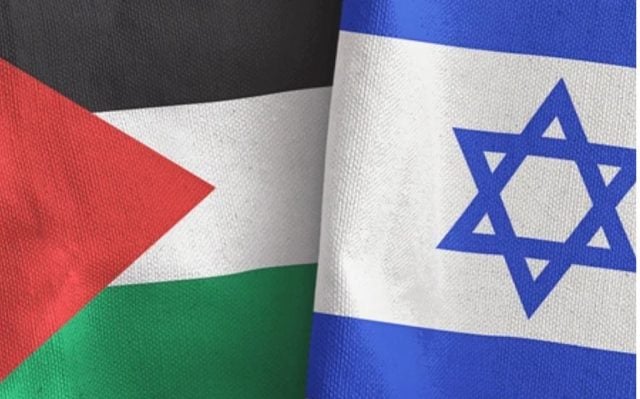
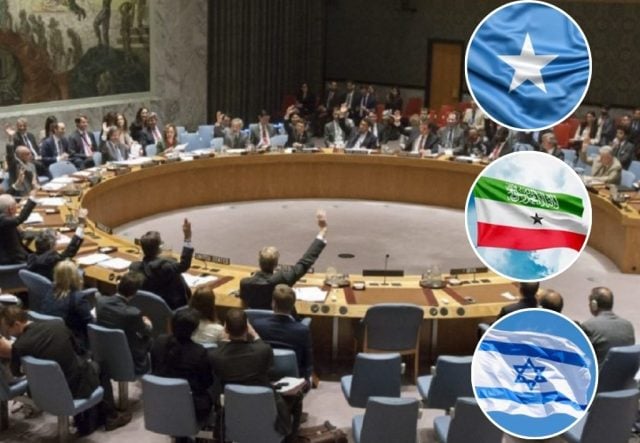
The official account of the Palestinian Mission on X (formerly Twitter) shared an image contrasting the number of states—over 150—that recognize Palestine with the lone international acknowledgment that Somaliland has achieved so far: that of Israel.
This post has been interpreted as a reminder of Palestine’s own struggle for state recognition and a critique of Israeli foreign policy. Somaliland, located in the northwest of Somalia with its capital in Hargeisa, declared independence in 1991 but had not received formal recognition from any state until last week.
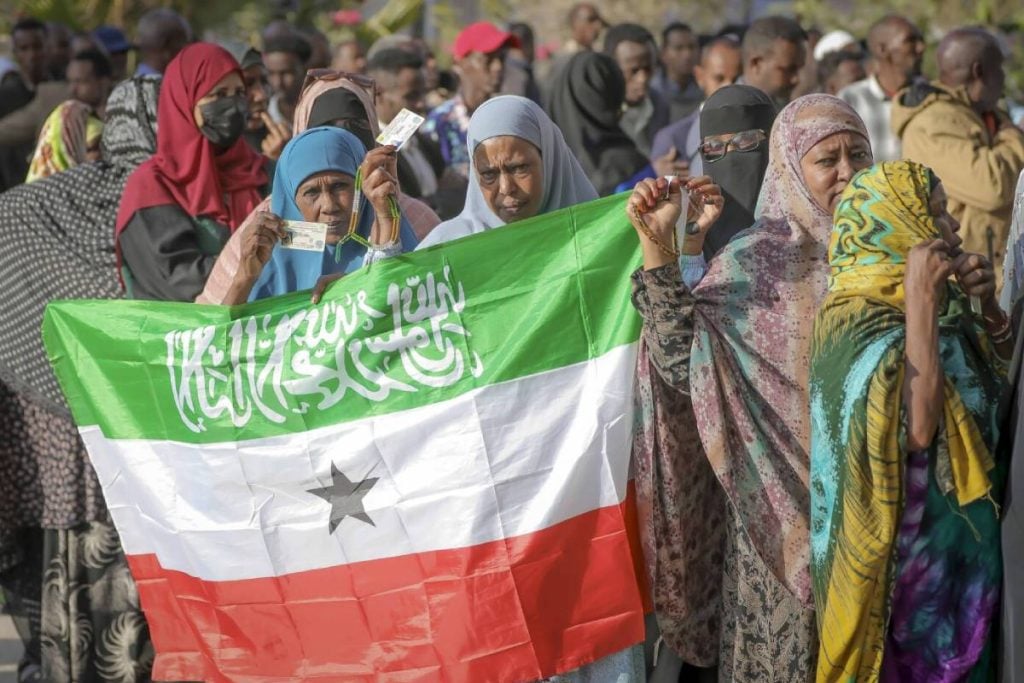
The Controversial Recognition of Somaliland by Israel
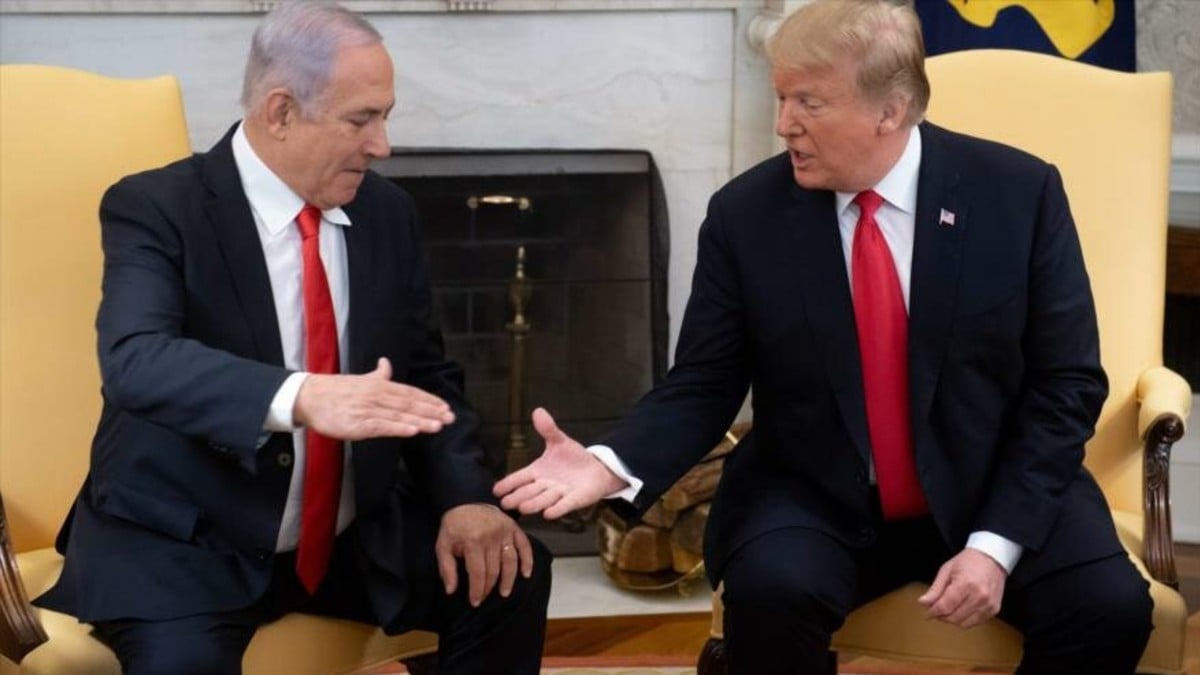
The trigger for this unusual social media trolling was the formal announcement made last Friday by Israeli Prime Minister Benjamin Netanyahu. In a statement, his office declared that Israel «recognizes Somaliland as an independent and sovereign state,» announcing the «immediate expansion» of bilateral ties in sectors such as agriculture, health, technology, and economy. The plan includes the establishment of full diplomatic relations, with the exchange of ambassadors and the opening of embassies.
Netanyahu framed the decision in the «spirit of the Abraham Accords,» normalization agreements promoted by the Trump administration in 2020, hinting that the gesture could pave the way for eventual recognition by the United States, reported RT.
Somaliland, a territory with approximately 6.2 million inhabitants according to 2024 data, declared independence from Somalia in 1991 after a brutal civil war. Although it has operated with its own institutions, currency, passport, and relative stability since then, it had not secured formal recognition from any UN member state until now. Its capital is Hargeisa, and its location on the southern coast of the Gulf of Aden, one of the world’s most strategic maritime routes, gives it key geostrategic value.
Analysts indicate that the Israeli recognition seeks to capitalize on this location.
«Israel needs allies in the Red Sea region for many strategic reasons, including the possibility of a future campaign against the Houthis,» experts from the Institute for National Security Studies in Israel stated in a recent article.
Moreover, the logistics firm from the United Arab Emirates, DP World, already operates the port of Berbera in Somaliland, an asset of great interest for landlocked Ethiopia.
International Condemnation and Warnings
The international reaction to the recognition has been largely negative and forceful. More than 50 countries, along with regional organizations, have expressed their rejection and concern for the consequences this step could have on the fragile stability of the Horn of Africa.
The African Union (AU) was one of the first to raise its voice. The chairman of its Commission, Moussa Faki Mahamat, expressed his «deep concern» and «firm rejection» of any actions aimed at recognizing Somaliland.
«Any attempt to undermine the unity, sovereignty, and territorial integrity of Somalia contravenes the fundamental principles of the African Union and could set a dangerous precedent, with serious consequences for peace and stability across the continent,» the AU warned in a statement.
Key countries in the region, such as Turkey, Egypt, Djibouti, and Somalia itself, expressed opposition to the measure following telephone conversations among their foreign ministers.
The Egyptian Foreign Ministry stated that the three nations «reaffirmed their support for the legitimate state institutions of Somalia and rejected any attempts to impose parallel entities that contradict the unity of the Somali state.»
The declaration went further, stating that such recognition «constitutes a dangerous precedent and a threat to international peace and security, as well as to the established principles of international law and the United Nations Charter.»
The spokesperson for the Turkish Foreign Ministry, Oncu Keceli, was particularly direct in linking the action to the Palestinian conflict. He asserted that the recognition «constitutes a new example of illegal actions» by Israel, accusing Tel Aviv of attempting to «generate instability at both regional and international levels,» while continuing to uphold «expansionist policies» and hindering «the recognition of Palestine as a state.»
The Somali government, in turn, characterized Tel Aviv’s decision as a «deliberate attack» on its sovereignty. In a statement from the Ministry of Foreign Affairs and International Cooperation, it categorically rejected this «illegal action,» reaffirming that «the Somaliland Region is an integral, inseparable, and inalienable part of the sovereign territory of the Federal Republic of Somalia.»
The Somali declaration added a grave warning: «Such illegitimate actions severely undermine regional peace and stability, exacerbating political and security tensions in the Horn of Africa, the Red Sea, and the Gulf of Aden, the Middle East, and the region as a whole.»
Relacionados
Mexico Asserts That Granting Asylum Is Not an Unfriendly Act Following Diplomatic Break with Peru
Hace 3 meses
Citizen Campaign Aims to Gather 100,000 Signatures for Israel's Expulsion from the UN over Gaza Genocide
Hace 4 semanas