Original article: Pueblos Rapa Nui y Lickanantay protagonizan las nuevas temporadas de la serie documental «Huellas y Memorias»
Rapa Nui and Lickanantay Communities Shine in New Seasons of the Documentary Series «Footprints and Memories»
«More than just a high-quality audiovisual product, Footprints and Memories is a statement. For too long, others have told our stories, which seemed to shape an identity that was heavily laden with the past and lacking in the present and future,» said Álvaro Morales Melinao, national director of the National Indigenous Development Corporation (Conadi).
He made these remarks during the launch of the new seasons of the series «Footprints and Memories,» which focus on the Rapa Nui and Lickanantay peoples.
The National Library hosted the presentation of this documentary series produced for Conadi (through the Culture and Education Unit) by Ilumina Media. The project showcases the identity, culture, knowledge, beliefs, customs, and worldviews of Chile’s Indigenous peoples through the voices of its protagonists.
Starting Friday, March 6, the episodes of the new seasons will be broadcast weekly on Conadi’s digital platforms, accessible on their website www.conadi.gob.cl and their YouTube channel.
The series returns in 2026 after the successful premiere of the seasons focusing on the Mapuche and Aymara peoples, which enjoyed widespread broadcast on Canal 13C, BioBioTV, and Conadi’s digital platforms.
Álvaro Morales Melinao added, «This project stems from the conviction that indigeneity does not belong in museums or in essentialist narratives—often romanticized—but is a lively, vibrant, and colorful feeling.»
He emphasized that through this production, the camera serves the voices of Indigenous peoples, allowing them to guide viewers through their territories and cultures. This demonstrates that memory is not merely an exercise in nostalgia; in the Indigenous worldview, time is not a straight line, leaving behind what has occurred, but rather circular, feeding the present and the future.
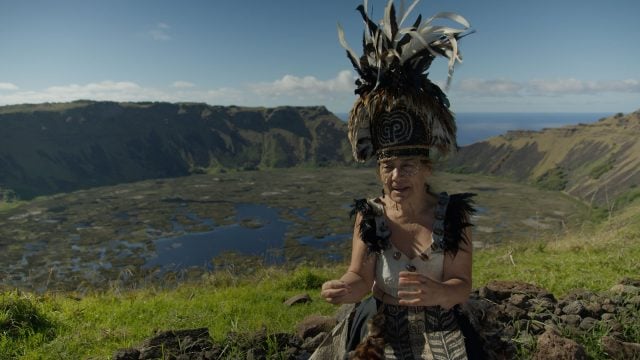
Filmed in high-quality 6K technology, the new season documents life in the Polynesian community located over 3,000 kilometers from the mainland, as well as in the oases and ravines of desert regions in the country.
The third season focuses on the Rapa Nui people and highlights their worldview and culture, the spiritual significance of ceremonial sites, the restitution of ancestral objects and remains, efforts to preserve their language, the importance of the mahute (a local plant), and traditional medicine practices that emphasize compassion, truth, and balance between body and spirit, among other topics, according to the Corporation.
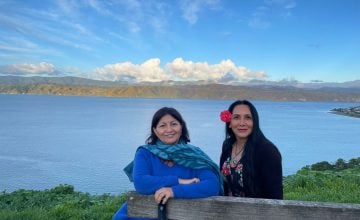
Lynn Rapu Tuki, a Rapa Nui and director of the Kari Kari Ballet, expressed satisfaction with the final results of the episodes depicting his community: «I hope this project continues, as it provides important materials to showcase to all of Chile so that people gain greater knowledge about us, the Rapa Nui, because we are part of the country too. Not everyone knows our worldview; what they know is often limited to our dance,» he noted.
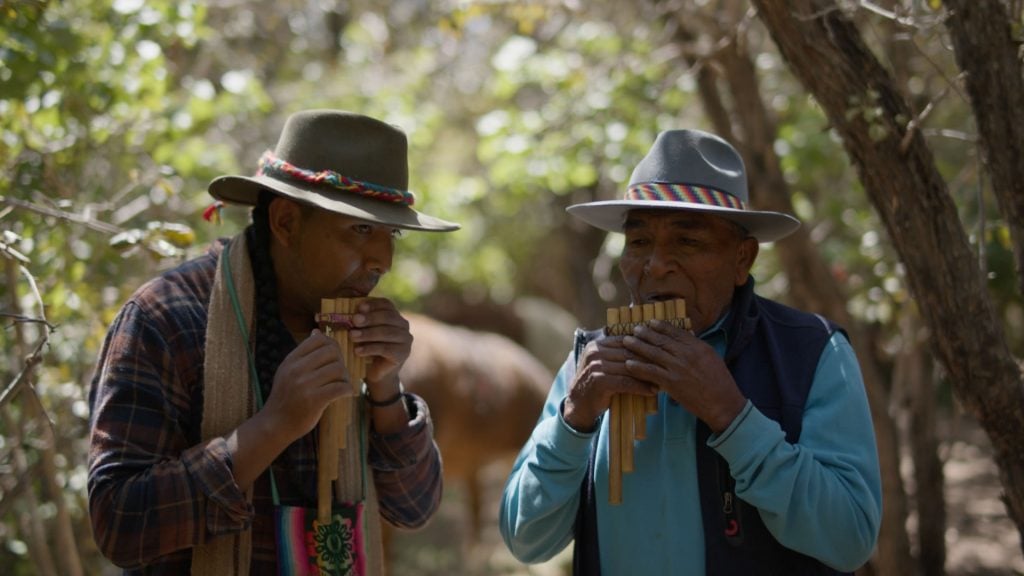
The fourth season will focus on the Lickanantay people, a term in the Kunza language that identifies the inhabitants of the territory also known as Atacameños. The recordings feature practices tied to the cycles of nature, traditions related to wheat and corn, and ceremonies of offerings to the land (Patahoiri) and ancestors (Mallkus) on volcanic summits, among other examples.
Pablo Cruz, who represented the Lickanantay people at the ceremony, stated, «What we witnessed was very moving as it further strengthens Indigenous communities and the path toward enhancing our cultures. We must make ourselves visible because there is so much ignorance regarding our wisdom and cultural legacy.»
The production involved months of research, collaboration with intercultural mediators, and field recording sessions that facilitated discussions not only about the dynamics of each culture but also about present and future challenges, such as environmental protection and the preservation of their languages and protocols.
Watch a preview of both seasons below:
El Ciudadano
Relacionados
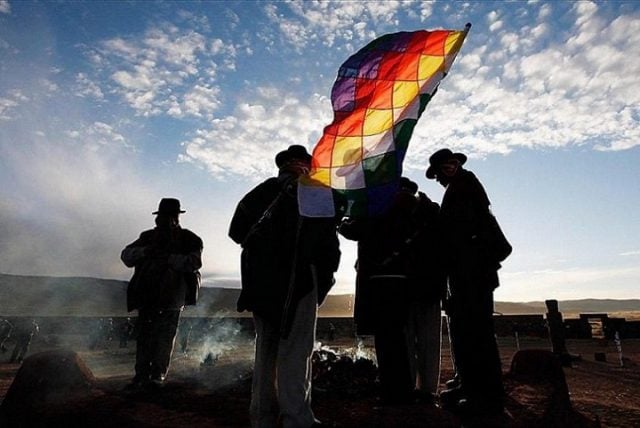
Census 2024: Over 2 Million People in Chile Identify as Indigenous, with the Mapuche Representing 77%
Hace 2 meses
Rapa Nui Overwhelmingly Rejects Government's Special Statute Proposal Amid Indigenous Consultation
Hace 4 semanas
Indigenous Craftsmanship Seal: 12 Works from Aymara, Mapuche, and Rapa Nui Artisans Recognized in Chile
Hace 3 meses