Original article: “Nos vemos en las calles”: Petro apuesta por una Constituyente y convoca a marchar este 1 de mayo
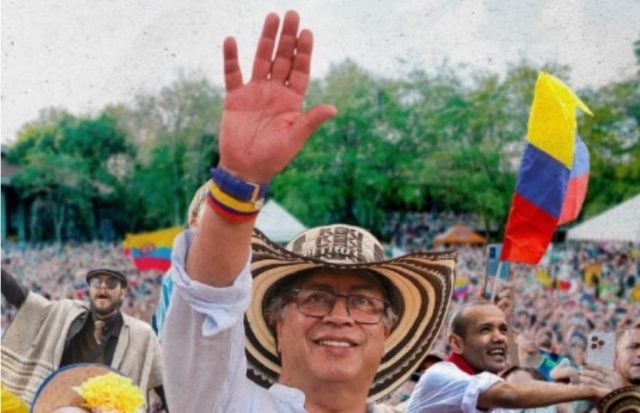
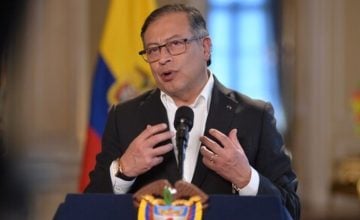
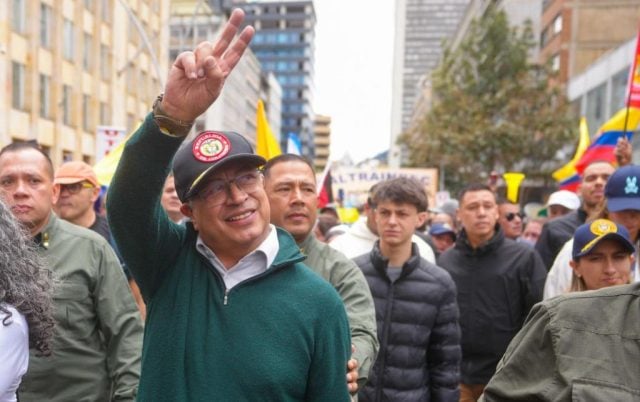
Colombian President Gustavo Petro has called on citizens to take to the streets and march next Friday May 1st, in commemoration of International Workers’ Day, to promote the National Assembly Constituent Assembly.
«This May 1st, we will see each other in the streets. I invite you to mobilize in public squares across Colombia to proclaim the citizens’ constituent power and gather signatures to present to Congress on July 20 (when a new legislative session begins), calling for a National Constitutional Assembly,» he stated in a message posted on his X account.
The proposed law aiming to call for a Constitutional Assembly to reform the Fundamental Charter of 1991 requires the collection of approximately three million citizen signatures to be considered a popular initiative in Congress.
In this regard, the progressive leader emphasized that he does not seek to replace the Constitution with a new one, but rather to include certain provisions that would allow for the approval of social reforms that have been blocked by sectors that oppose the Social State of Law in Colombia.
The proposed transformations include structural reforms in key areas such as health, pensions, justice, and public services, alongside adjustments to the political system, among others.
The Colombian president indicated that with the proposed reform in health, he aims to eliminate corrupt intermediaries and enable immediate care for sick individuals; additionally, he wishes to enhance the preventive health system, strengthen the public hospital network, and finance «potable water and the nutrition of all Colombians as a priority».
Through the Constituent process, he also seeks to ensure that the pension reform guarantees «the right to a pension for all those who work and meet the necessary time conditions».
Petro: «Work Must Have Stability by Constitutional Order»
Another critical point for Petro is to ensure the payment of a living wage, as well as to reduce the workday in line with productivity increases.
«Work must have stability by constitutional order,» he asserted, while emphasizing the protection of farmers’ rights to land.
Right to Water and Higher Education
The proposed changes to the 1991 Constitution regarding public services aim to «end price speculation on electricity, drinking water, and waste services».
«The right to water is established,» confirmed the Colombian president.
Simultaneously, Petro seeks to establish the right to pre-school education and its immediate funding, as «the budgetary priority in social spending should be on children» and to ensure the right to higher education in Colombia.
End of Corruption and Impunity
Among the proposed transformations, a reform of the political regime is aimed at «eliminating corruption and patronage and building a true electoral arbiter and a registry with electoral transparency».
«The crime of corruption will be the most severely punished in Colombia, and it will be served in the country’s prisons.»
He noted that in the judicial sector, the reform to the Constitution would allow for «ending impunity«, while maintaining «the current Constitutional Court and its election mechanism».
In light of rising interest rates, Petro proposed that the Constituent Assembly reform economic institutions to «ensure the true independence of the Bank of the Republic to coordinate anti-inflationary policy in coherence with economic growth and employment in the country».
«Let us march for the citizens’ constituent power this May 1st,» concluded the Colombian president.
Obtén tu Pasaporte y apoya a El Ciudadano
Elimina la publicidad, accede a contenido exclusivo y sé parte de la comunidad.
Cancela en cualquier momento · Sin permanencia