Original article: “Uno de los peores fiscales”: Daza destroza al “sepulturero” Morales tras absolución de Fuente-Alba ratificada por la Suprema
The Supreme Court has dismissed the annulment appeals filed by the Public Prosecutor’s Office and the State Defense Council (CDE) against the trial and verdict absolving former Army Commander Juan Miguel Fuente-Alba Poblete and his spouse, Anita María Pinochet Ribbeck, of charges related to money laundering in connection with the misappropriation of public funds. The ruling notes that the absolution was issued on August 5, 2024, by the Fourth Oral Criminal Court in Santiago, and that the appeal under dispute was precisely that decision.
Supreme Court Confirms Fuente-Alba’s Acquittal: A Dismissal of Annulment
In its ruling, the Second Chamber concluded that the claims made by the appellants largely pertained to discrepancies over evidence evaluation—matters specifically for the judges of the case—and ultimately rejected entirely the annulment appeals. The judgment makes it clear: “THE annulment appeals filed by the Public Prosecutor’s Office and the State Defense Council are REJECTED […] thus they are not null,” also noting a dissenting opinion from the integrated lawyer Juan Carlos Ferrada.
With this rejection, the criminal aspect regarding money laundering is definitively closed for Fuente-Alba and his wife: the acquittal in this chapter remains firm.
Why the Annulment Was Rejected
One of the most significant points in the ruling is the Court’s diagnosis of the actual basis for the acquittal. The Supreme Court dismisses the notion that the court invented requirements not contemplated in the law or that it committed a crucial conceptual error regarding money laundering. In the Tenth Considering, the highest court maintains that the acquittal was not based on “unforeseen normative requirements” or “erroneous understanding” of the crime, but on a simple and compelling fact: the accusers failed to prove the money laundering maneuvers as proposed, with the required standard for conviction.

Daza’s Critique and Focus on José Morales
Following the ruling, criminal lawyer Mauricio Daza directly targeted prosecutor José Morales, the lead on the case, with a tweet that escalates the public debate regarding accountability: “The ‘grave digger’ José Morales did it again… one of the worst prosecutors in the Public Prosecutor’s Office. Incredible that he was almost national prosecutor on two occasions…”.
El “sepulturero” José Morales lo hizo de nuevo… uno de los peores fiscales del Ministerio Público. Increíble que haya estado a punto de ser fiscal nacional en dos oportunidades… https://t.co/Jxajbo3dJK
— Mauricio Daza (@mdaza_abogado) February 4, 2026
In legal circles, Morales is known as “the grave digger”, a nickname attributed by critics due to his performance in high-profile cases involving powerful figures. This label gained momentum once again following the Supreme Court’s dismissal.
While the laundering aspect is closed, the legal saga is not completely over, as the investigation into a fiscal damage of nearly $3 billion continues. This issue again raises the underlying tension: whether justice will reach those historically closer to power.
Review the Supreme Court Ruling:
Relacionados

“Uno de los peores fiscales”: Daza destroza al “sepulturero” Morales tras absolución de Fuente-Alba ratificada por la Suprema
Hace 3 minutos
Supreme Court Disqualifies Ministers Who Sought Favors from Ex-Prosecutor Guerra, Case Stays in Limbo
Hace 2 meses
Ángela Vivanco: Unraveling the Influence Network and Controversial Rulings Favoring SQM and the Ponce Pinochet Family
Hace 2 meses
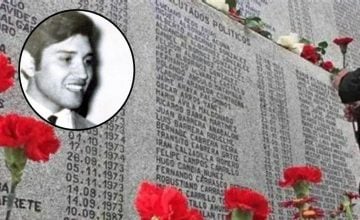
Supreme Court Convicts Former Joint Command Agents for the Disappearance of Communist Leader in 1976
Hace 2 semanas