Original article: Corte Suprema decidirá anulación de condena contra werken Rafael Pichun, cuya defensa señala falta de pruebas concluyentes
The highest court will announce its ruling on the nullity appeal aimed at overturning the conviction for intellectual authorship of an arson attack.
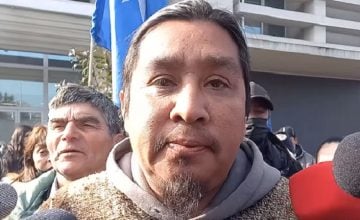
The decision will be revealed on April 1 following the arguments presented before the Supreme Court, where the defense challenged the verdict from January 7 that found the spokesperson for the Coordinadora Arauco Malleco (CAM) guilty. This legal process has been marked by concerns regarding the relevance of the evidence used to link the Mapuche leader to the events that took place in the commune of Quilleco.
The central piece of evidence from the Public Ministry consists of a WhatsApp message stating, «We need people for Friday.» According to Pichun’s spokesperson, this text is merely a natural call outside the Los Ángeles court to accompany other community members and has been characterized in the nullity appeal as «secondary and irrelevant evidence» for proving a crime.
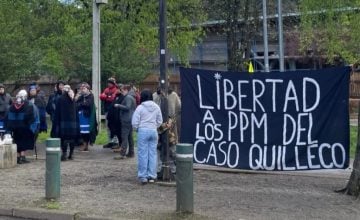
Supporters of the werken have reported that the current conviction represents a politically motivated persecution orchestrated by forestry interests and the prosecution. They claim that the aim is to imprison Pichun solely for his position as a traditional authority, asserting that «in that January 7 verdict, an innocent person was condemned» and that the April ruling will determine whether this injustice is upheld.
Rafael Pichun is the son of the late lonko Pascual Pichun, whose family has a history of political imprisonment and international litigation. The Inter-American Court of Human Rights previously stated that during proceedings against his community, «the Chilean state failed to meet the minimum due process requirements,» which necessitated reparative measures.
For support networks, this new trial unfolds within a judicial system they perceive as biased and structurally racist against the territorial demands of the Mapuche people. They argue that the evidence is inconsistent and that maintaining the conviction would disregard the necessary standards of justice for a transparent process that aligns with the realities of the facts.
The outcome next Wednesday will determine whether the trial is annulled or if the werken must serve the sentence imposed for a charge he claims no involvement in. The community remains vigilant, asserting that «justice not exercised when it matters is already unjust,» appealing to the dignity of their history of territorial recovery in the lof Temulemu.
Artículos Relacionados

Supreme Court Confirms Absolvement of Fuente-Alba, Sparking Criticism of Prosecutor José Morales
Hace 2 meses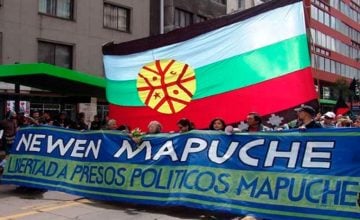
Mapuche Political Prisoners in Purén Claim Violation of Due Process: "Basic Human Rights Are Not Respected"
Hace 3 semanas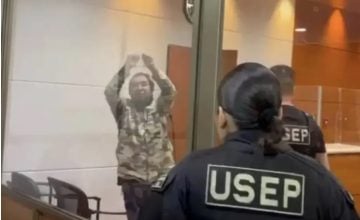
Mapuche Prisoners Report Harassment and Excessive Force in Angol and Temuco Jails: Demand for Fair Process
Hace 2 semanas
Angela Vivanco Bets Everything on the Supreme Court: Appeals to Overturn Corruption Charges
Hace 3 meses