Original article: De la Corte Suprema a la cárcel: Decretan prisión preventiva para Ángela Vivanco por Caso Muñeca Bielorrusa
The Prosecutor’s Office formally charged her with repeated bribery and money laundering, and after evaluating the evidence, the court determined that freeing former Minister Vivanco poses a danger to society and the investigation, ordering her immediate preventive detention.
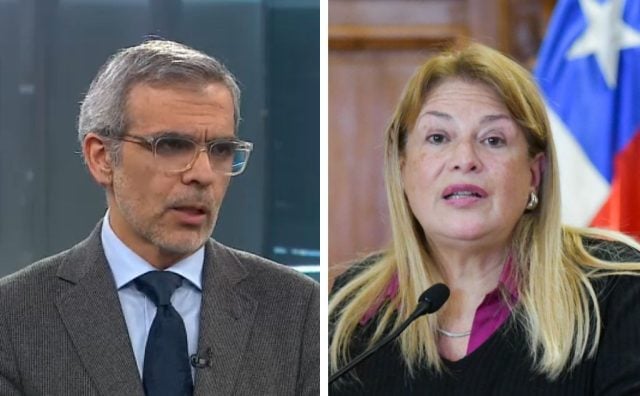
In an unprecedented event in recent Chilean judicial history, the Seventh Guarantee Court of Santiago issued a preventive detention order for former Supreme Court Minister, Ángela Vivanco, accused of being part of a corruption network linked to the so-called Belarusian Doll Case.
The Prosecutor’s Office formally charged her with repeated bribery and money laundering, requesting the most severe precautionary measure against the former magistrate.
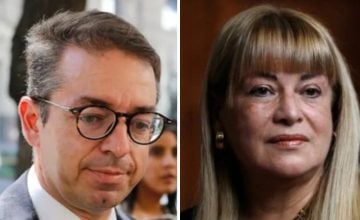
During the hearing, Regional Prosecutor Carmen Gloria Wittwer outlined the circumstances that underpin the charges.
According to the investigation, Ángela Vivanco, along with her partner Gonzalo Migueles Oteíza, allegedly received at least 90 million pesos while cases related to the state-owned Codelco and the Chilean-Belarusian consortium Belaz Movitec (CBM) were pending in the Supreme Court.
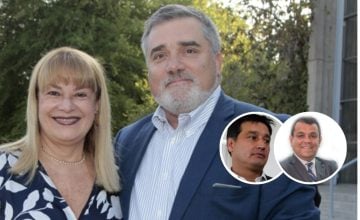
The consortium was represented by lawyers Mario Vargas and Eduardo Lagos, who, along with Migueles, have been in preventive detention since November 15 for their alleged involvement in an agreement to favor CBM.
The prosecution detailed that, in her role as minister, Vivanco allegedly voted in favor of resolutions that benefitted the consortium, amidst a litigation concerning a failed bidding process, forcing Codelco to disburse nearly 17 billion pesos.
This money was allegedly used by the company to pay the fees of lawyers Vargas and Lagos, who in turn funneled part of those resources to the former minister and her partner, in a mechanism involving Land Registry officials Sergio Yáber (Puente Alto) and Yamil Najle (Chillán), and currency exchanger Harold Pizarro, who are currently under night-time house arrest for their cooperation.
In her arguments, Prosecutor Wittwer was unequivocal: «With a breach of her duties, during the processing of protective resources before the Supreme Court, she voted for resolutions that favored the procedural and financial claims of CBM, compelling Codelco to disburse millions to the consortium, funds with which the company paid the lawyers, who, using part of this money, provided financial benefits to then-Minister Vivanco and her partner, Victor Gonzalo Migueles Oteíza, who, in concert with her, facilitated means to receive the payment.»
During the hearing, the prosecution presented audio recordings, chats, and bank documents as evidence of the alleged corruption scheme, notably highlighting a phone call in which a «bonus» received after a favorable ruling was mentioned, reinforcing the theory of a quid pro quo arrangement.
Preventive Detention for Vivanco
Prosecutor Marco Muñoz was responsible for articulating the request for preventive detention against Ángela Vivanco.
The prosecutor argued that the conditions set out in Article 140, sections A, B, and C of the Criminal Procedure Code are met, as there is sufficient evidence justifying the existence of the crime, while also allowing for a reasonable presumption of her participation as the author of the crimes of bribery and money laundering for which she was charged.
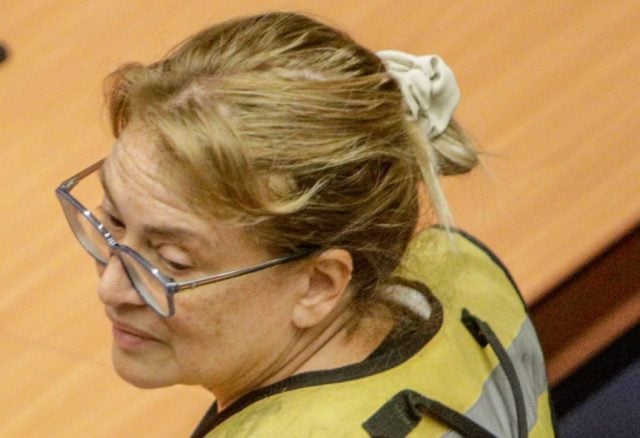
After evaluating the evidence, the court determined that Vivanco’s freedom represents a danger to society and the investigation’s progress, ordering her immediate preventive detention.
Consequently, it was determined that the accused must meet with personnel from Gendarmerie to inform them of her health requirements.
Vivanco is expected to remain in the women’s penitentiary facility in San Joaquín for the duration of the investigation period.
This case marks a milestone in Chilean justice, being the first time in decades that a former minister of the Supreme Court is facing such serious criminal proceedings and is placed in preventive detention.
Following the precautionary measure ruling, the «Belarusian Doll Case» remains under investigation, including the ongoing efforts to determine the total flow of funds and the full extent of the alleged corruption network.
After the investigation closes, the Public Ministry will have to decide whether to file charges for a trial, request closure, or explore alternative solutions.
Relacionados
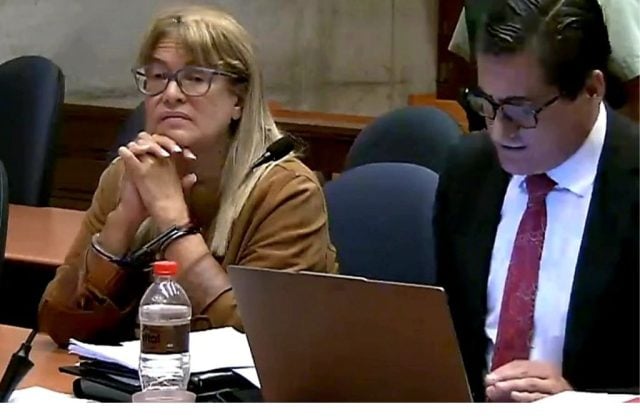
From Supreme Court to Jail: Prosecutors Seek Preventive Detention for Former Minister Ángela Vivanco
Hace 4 días
Belarusian Scheme: Court Keeps Ex-Judge Vivanco's Husband and Lawyers Vargas and Lagos in Custody
Hace 2 meses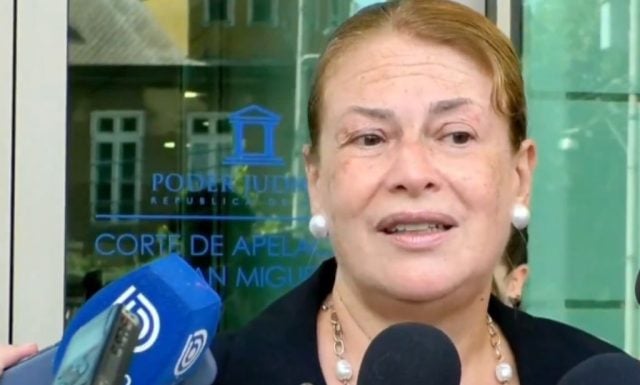
Vivanco Testifies in ‘Bielorrusa Scheme’ Case, Denies Any Wrongdoing: "I Did Nothing Illegal While in the Judiciary"
Hace 1 semana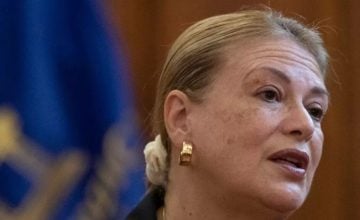
Belarusian Scheme: Lawyer Eduardo Lagos Reveals How Bribes to Ángela Vivanco Were Planned and Paid
Hace 3 días