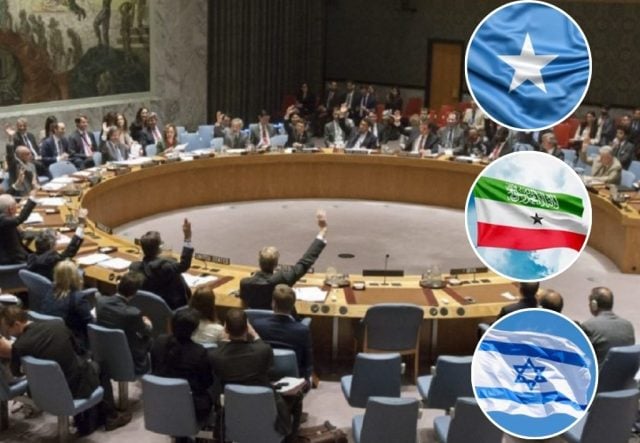
Original article: ONU se cuadra con Somalia y cuestiona a Israel por reconocer a Somalilandia: alertan impacto en Gaza
UN Aligns with Somalia, Critiques Israel’s Recognition of Somaliland Amid Gaza Concerns
In an emergency session, the majority of member states in the United Nations Security Council expressed their solidarity with the federal government of Somalia, questioning Israel’s controversial decision to be the only nation to recognize the self-proclaimed Republic of Somaliland.
This move was condemned by multiple delegations as a dangerous violation of international law, raising alarms about its potential impact on the Palestinian situation in Gaza.
The urgent meeting was convened following an unprecedented decision by Israel last week, which officially became the first and only country in the world to recognize Somaliland as an independent nation from Somalia.
This diplomatic shift, announced during a videoconference by Israeli Prime Minister Benjamin Netanyahu with Somaliland President Musa Bihi Abdi, was justified by the Israeli leader as a step taken “in the spirit of the Abraham Accords,” the normalization agreements promoted by the Trump administration in 2020. He hinted that this gesture might pave the way for eventual recognition from the United States.
Furthermore, Netanyahu’s office stated in a release that Israel “recognizes Somaliland as an independent and sovereign state,” announcing an “immediate expansion” of bilateral ties in sectors like agriculture, health, technology, and economy. The plan includes the establishment of full diplomatic relations, with the exchange of ambassadors and the opening of embassies.
Security Council Condemnation
The tone of the session was set from the start by Somalia’s permanent representative to the UN, Ambassador Abukar Dahir Osman, who denounced that “the Israeli regime’s decision to recognize the self-proclaimed republic of Somaliland constitutes a ‘grave attack on national sovereignty’ and a ‘risk to international peace and security.’”
The Somali diplomat formally presented a letter from his government to the UNSC, describing the Israeli action as “morally indefensible” and “void in law,” as reported by Hispan TV.
The sentiment of rejection was echoed by the rest of the body. According to Al Jazeera correspondent Gabriel Elizondo reporting live from the UN headquarters, “14 of the 15 council members condemned Israel’s recognition of Somaliland.”
The veto-wielding powers—China, Russia, France, and the United Kingdom—aligned in their rejection, reaffirming unwavering support for Somalia’s sovereignty and territorial integrity within its internationally recognized borders.
China’s Foreign Ministry spokesman, Lin Jian, had anticipated this position days before, warning that “no country should encourage internal separatist forces for selfish interests.” This stance was shared by several delegations, who cautioned about the dangerous precedent this decision sets for other secessionist movements in Africa and globally.
United States’ Isolated Stance
During the session, the United States distanced itself from condemning Israel’s decision. Reports indicated that the US delegation “defended Israel’s action but refrained from mimicking it.”
Thus, it was the only member of the 15-nation body that abstained from condemning Israel’s official recognition of the secessionist region during the emergency meeting.
However, it made clear that its position of not recognizing Somaliland as an independent state “remains unchanged.”
Concern for Gaza
One key aspect highlighted during the session was the linkage several countries made between this recognition and the conflict in Gaza. Numerous nations, particularly Muslim-majority and African countries, expressed “deep concern over the significant impact this measure could have on the situation of Palestinians in Gaza.”
Analysts and delegations interpreted the Israeli move not as an isolated diplomatic gesture but as a broader strategic maneuver.
It was argued that Israel seeks to establish a strategic presence in the Horn of Africa, one of the world’s most geostrategic regions due to its proximity to the Gulf of Aden and the Red Sea shipping route.
Moreover, organizations like the African Union (AU) and the Arab League have already warned that Tel Aviv might attempt to use ports in northern Somalia (Somaliland) to establish military bases or logistical supply points.
The potential realization of this scenario is seen as a direct threat by regional actors. For instance, the government of Yemen declared that it would consider “any Israeli military presence in Somaliland as a legitimate military target.”
From this perspective, recognition of Somaliland not only destabilizes Somalia but also opens a new front of regional tension that could impact maritime navigation and, critically, the dynamics of support for the actors involved in the Gaza conflict, further complicating humanitarian and mediation efforts.
In light of this international isolation, the stance of the Somaliland government has been one of full support for the Israeli decision. Its president, Abdirahman Mohamed Abdullahi (Cirro), defended the recognition, asserting that “it does not represent a threat or an act of hostility against any country” and that his region is “deeply committed to peace and democracy.”
Relacionados
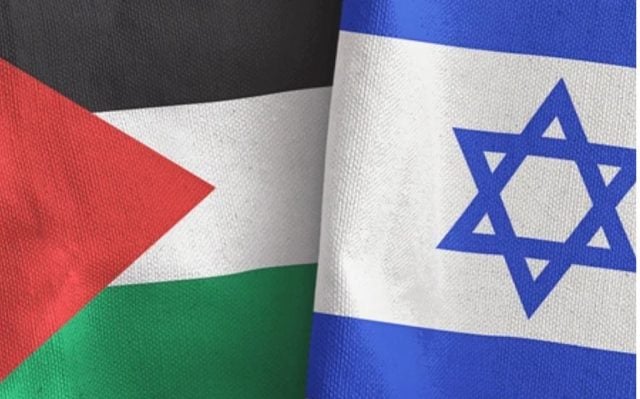

Israel's Declaration of Somaliland as Independent Sparks Outrage from Somalia and the African Union
Hace 2 meses
UN Rapporteur Praises European Boycott of Israel at Eurovision, Calls for Accountability Amid Ongoing Genocide
Hace 2 meses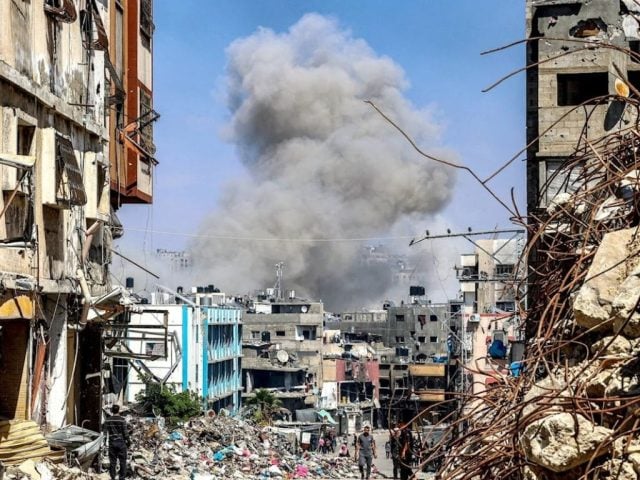

Colombian President Petro: Israel's Actions Mirror Nazi Persecution of Jews, Targeting Palestinians Today
Hace 3 meses
Francesca Albanese: Israel's Assault on Gaza Erases 69 Years of Human Development, Says UN Report
Hace 3 meses