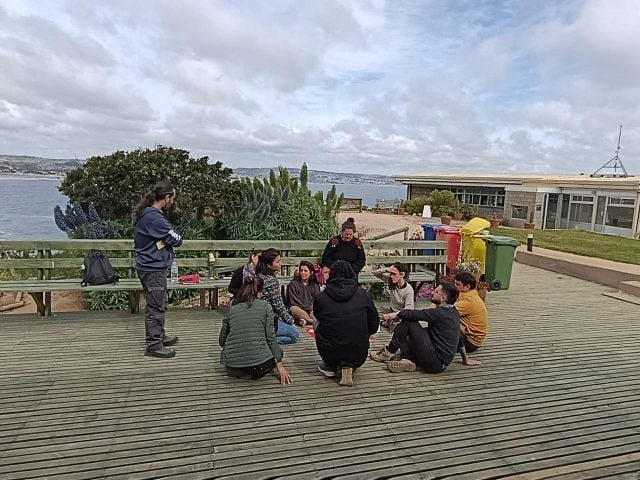
Original article: 2° Encuentro de Estudios Sociales del Mar abordará «Vocaciones Oceánicas»: Nuevas formas de habitar y trabajar el litoral
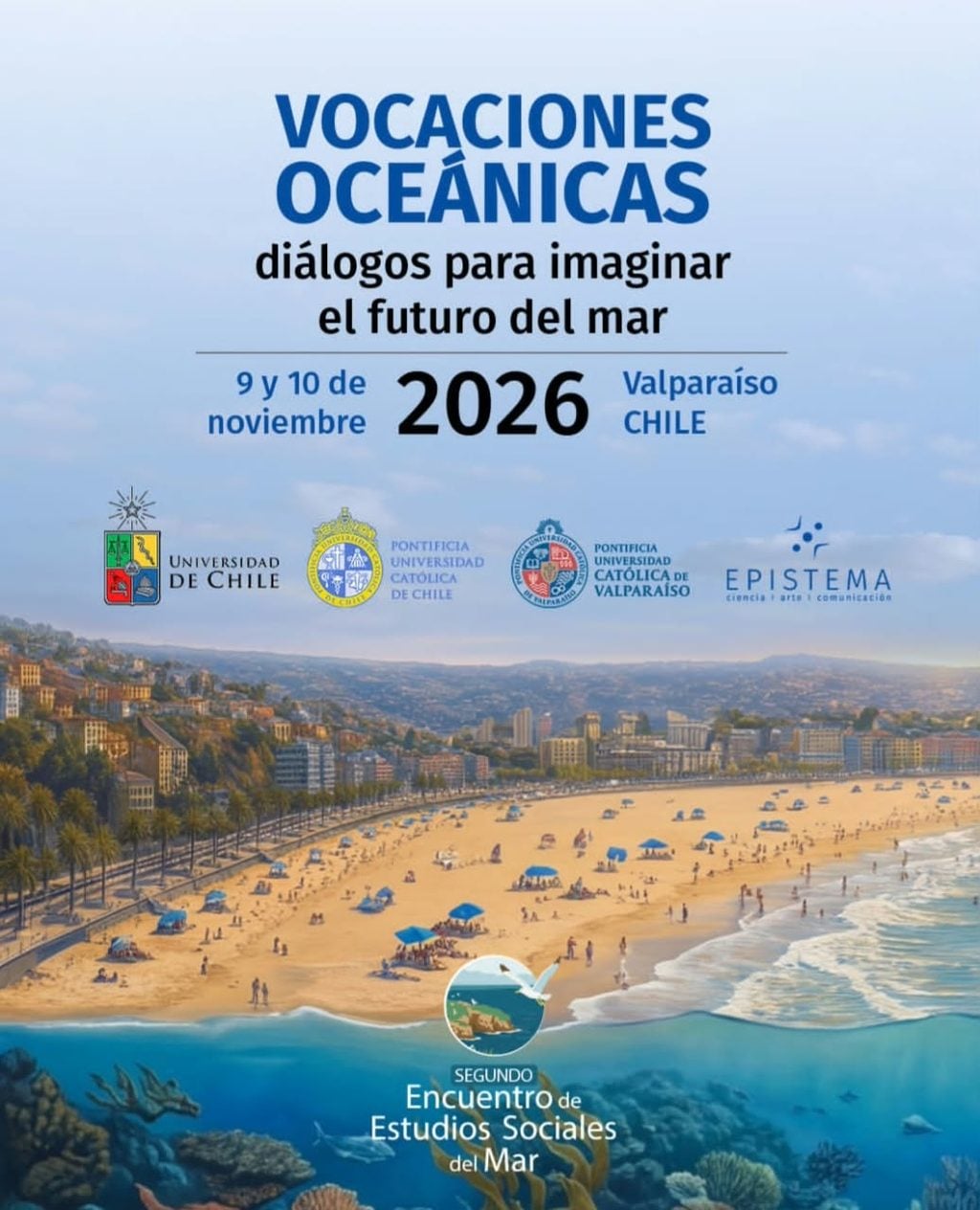
On November 9 and 10, the Pontifical Catholic University of Valparaíso (PUCV) will host the 2nd Ocean Studies Meeting: ‘Oceanic Vocations: Dialogues to Envision the Future of the Sea’, organized by scholars from the University of Chile, the Catholic University of Chile, and PUCV, in collaboration with Epistema – Science, Art, and Communication.
This initiative is also supported by the ANID FONDECYT projects, including ‘Worlds of Algae: Exploring the Emergence of Experimental Marine Transitions in Chile’; ‘A Plastic Ocean: Towards an Anthropology of Marine Pollution in the Anthropocene’; and ‘Socioecologies of Care in the Contexts of Salmon and Sphagnum Magellanicum (Pompón) Extraction on the Island Territory of Chiloé.’
The event serves as a vital exchange platform for researchers investigating the country’s marine ecosystems through the lens of social sciences and humanities. It aims to strengthen collaborative networks, highlight emerging research lines, and contribute to developing new ways of thinking about and inhabiting the sea and coastlines of Chile.
Additionally, the meeting aspires to foster dialogues among various knowledges surrounding the sea, both within the academic sphere and with those who live in and protect coastal and marine territories.
Key Focus Areas
With a strong transdisciplinary approach, the meeting articulates three main focus areas: academic research on productive activities, regulations, and ways of occupying the sea (from sociology, law, economics, and public policies); knowledge, skills, ways of life, and historical processes (from anthropology, history, philosophy, and archaeology); and collaborative and experimental projects within arts, entrepreneurship, and literature to explore new ways of thinking about and inhabiting coastlines.
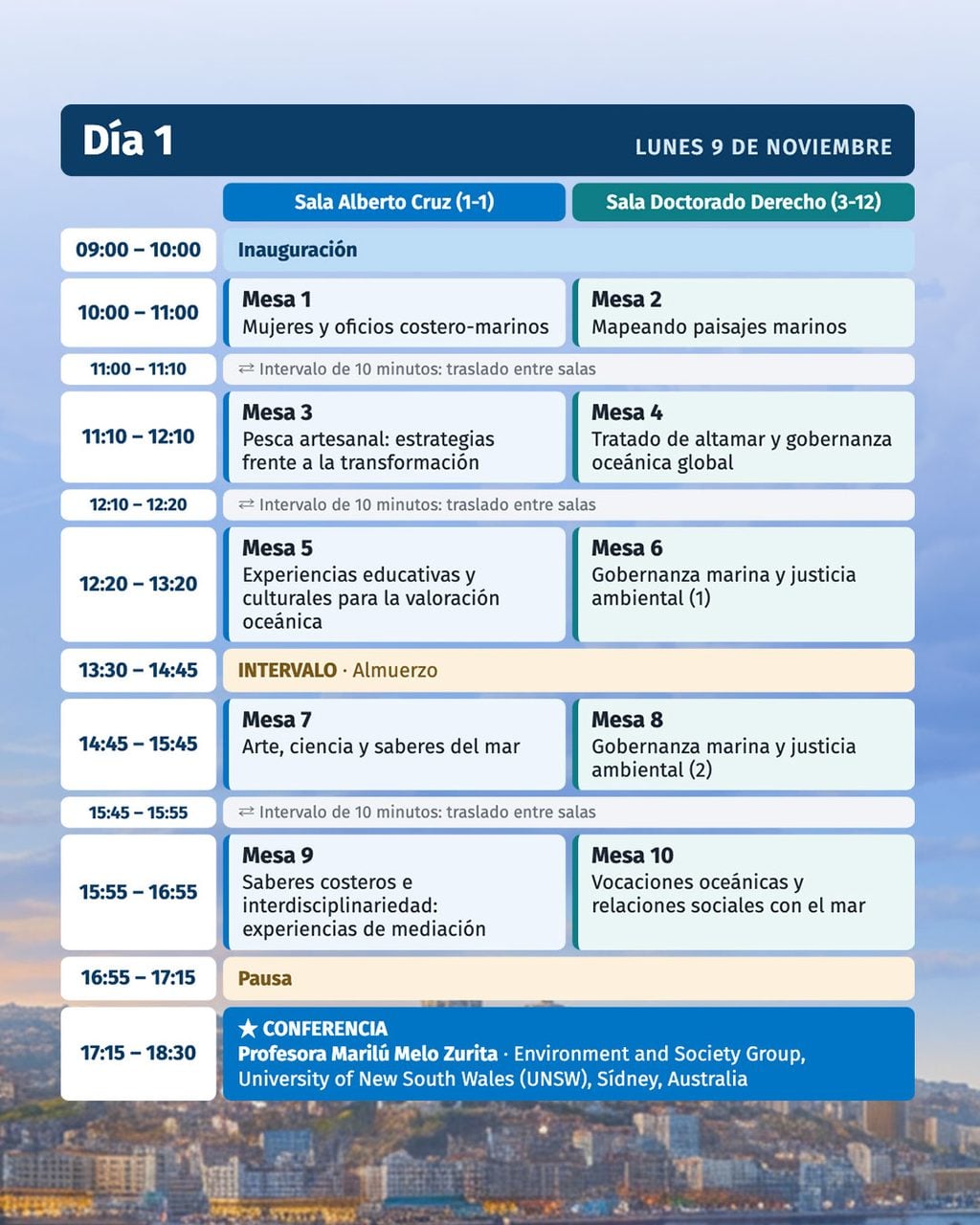
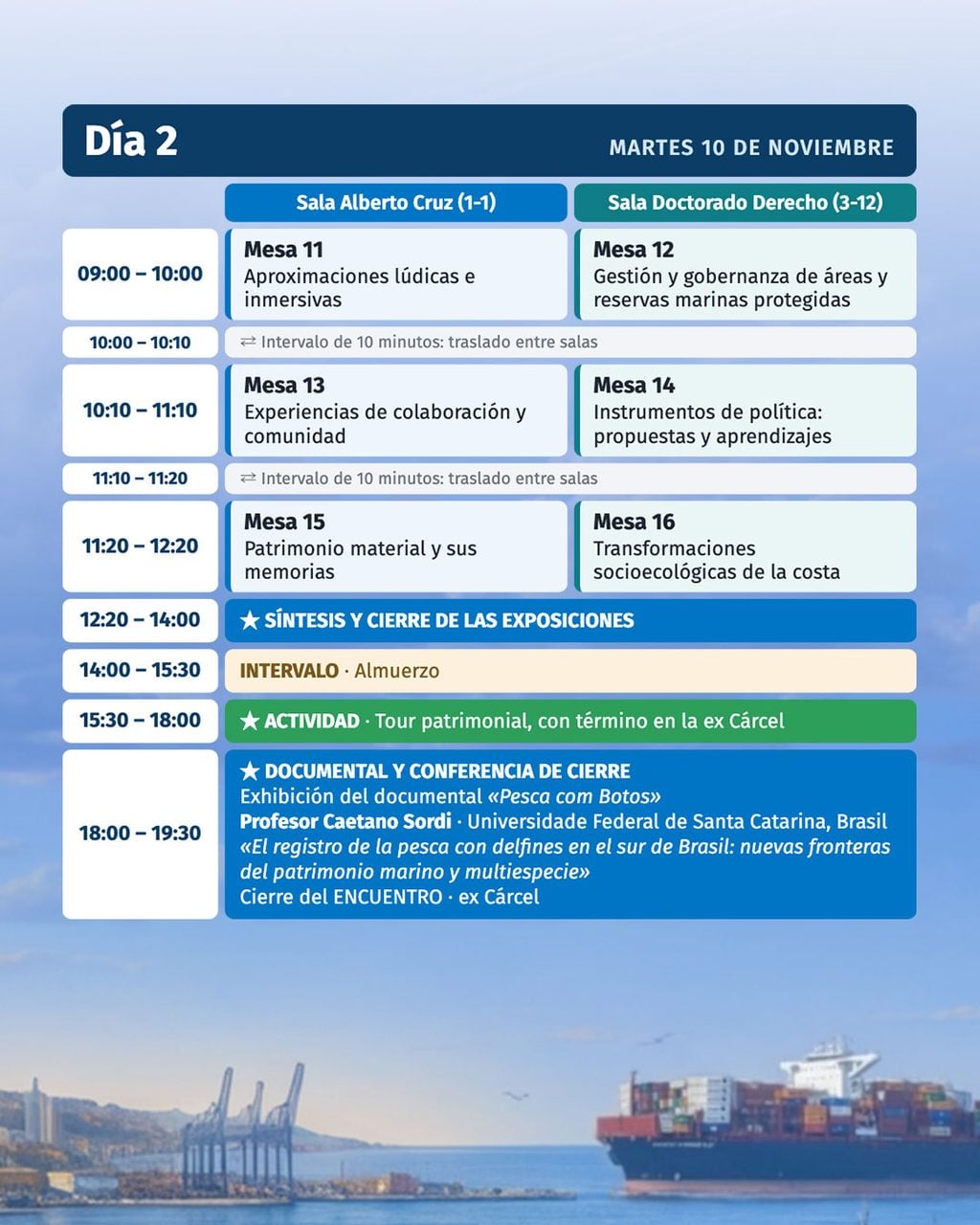
The program will cover various key themes, including coastal knowledge and interdisciplinarity; management and governance of protected marine areas and reserves; socioecological transformations of the coast; marine governance and environmental justice; art, science, and marine knowledge, among others.
Francisco Araos, a professor at the University of Chile and one of the event’s organizers, emphasizes, ‘This meeting aims to consolidate the work initiated in Las Cruces in 2025 to establish a field of marine social sciences and humanities studies.’
‘In this edition, we broaden our perspective by incorporating regulatory, economic, and communicative dimensions, achieving a wide and diverse participation,’ stated the researcher.
‘We hope that social studies of the sea can contribute to discussions about Chile’s oceanic vocations. This makes holding the second meeting in Valparaíso particularly relevant, especially considering the city’s bid to host the BBNJ Agreement, also known as the High Seas Treaty,’ Araos highlighted.
Obtén tu Pasaporte y apoya a El Ciudadano
Elimina la publicidad, accede a contenido exclusivo y sé parte de la comunidad.
Cancela en cualquier momento · Sin permanencia