Original article: A 50 años de su publicación vuelve a Chile «Santiago Poems»: La instantánea del horror retratada por un poeta estadounidense en 1973
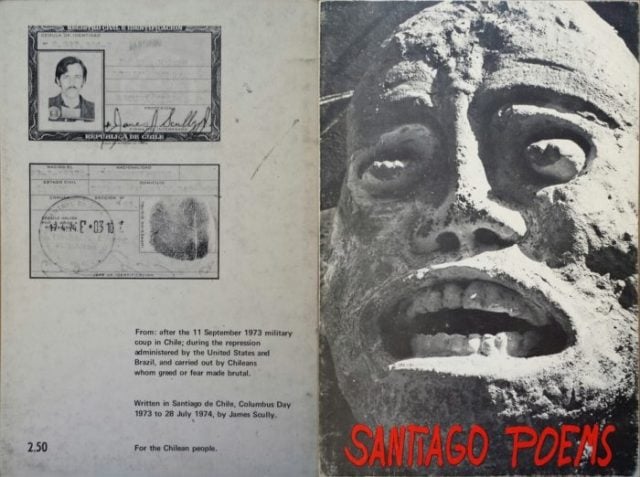
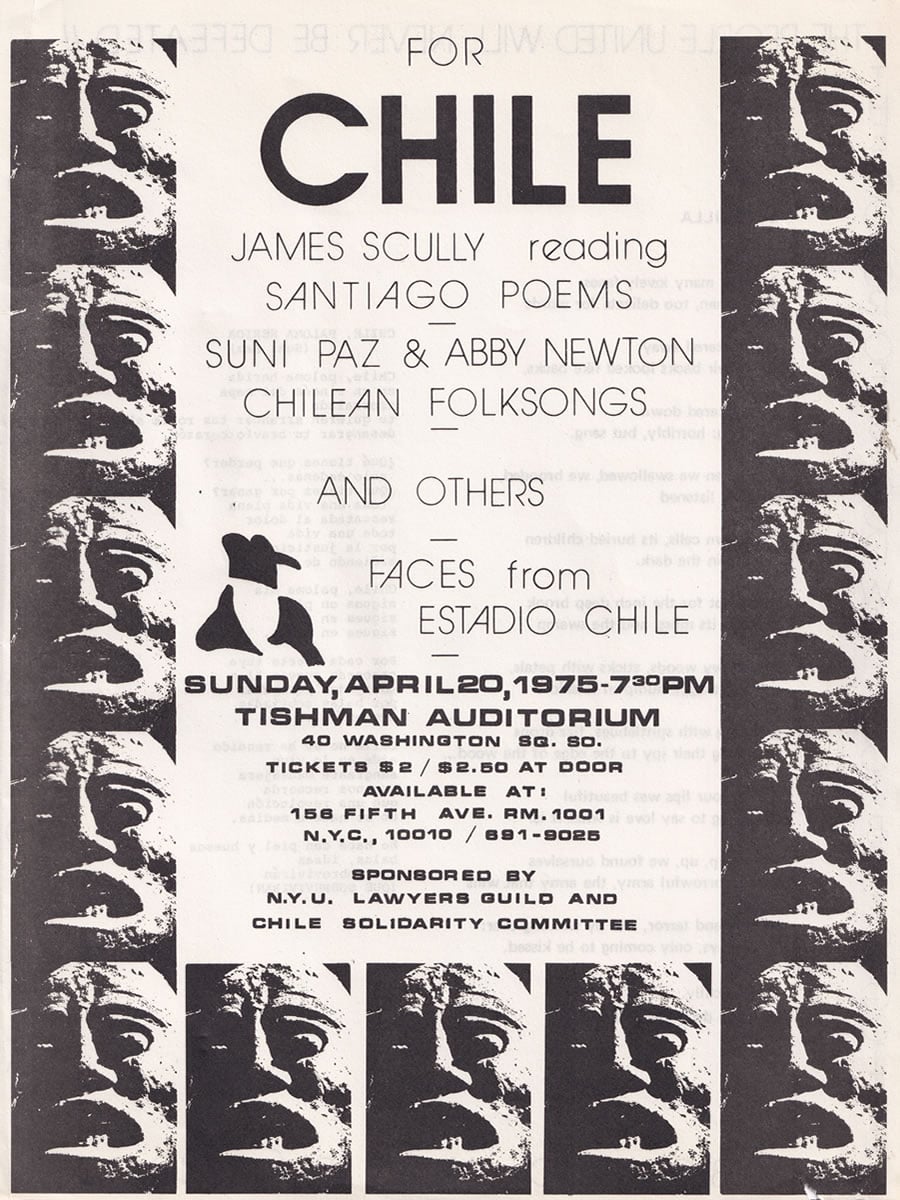
Santiago Poems was first published in 1975 by Curbstone Press in the United States as an international gesture of protest. Half a century later, Agnición Editorial has revitalized and fully translated this work, written in Chile between October 1973 and July 1974 by American poet James Scully.
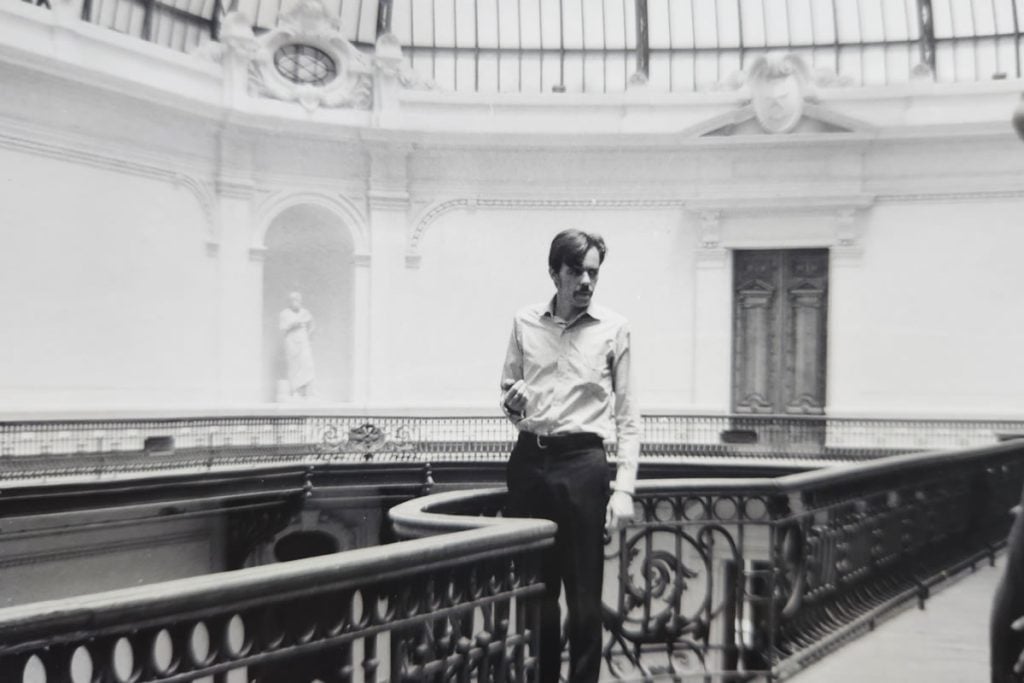
This volume arises from Scully’s experience, who arrived in Chile under a Guggenheim fellowship to document the cultural and literary explosion during the years of the Unidad Popular. After the coup, Scully and his family, already en route, decided to continue to Chile to denounce human rights abuses and break through the barriers of censorship.
As the translator notes, this book «is more than poetry: it is an echo of history, an event.»
In these texts, Scully captures a foreign poet’s perspective on a Santiago brutally transformed: «The mummies returned to the light, unrolling/ their rags happily through the streets of Providencia/ chic/ and desolate in spring/ Nothing worth crying over.»
A Poetic Record of Violence and Resistance
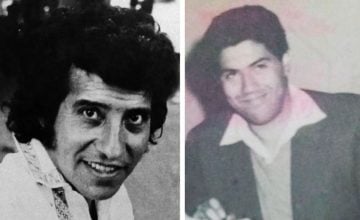
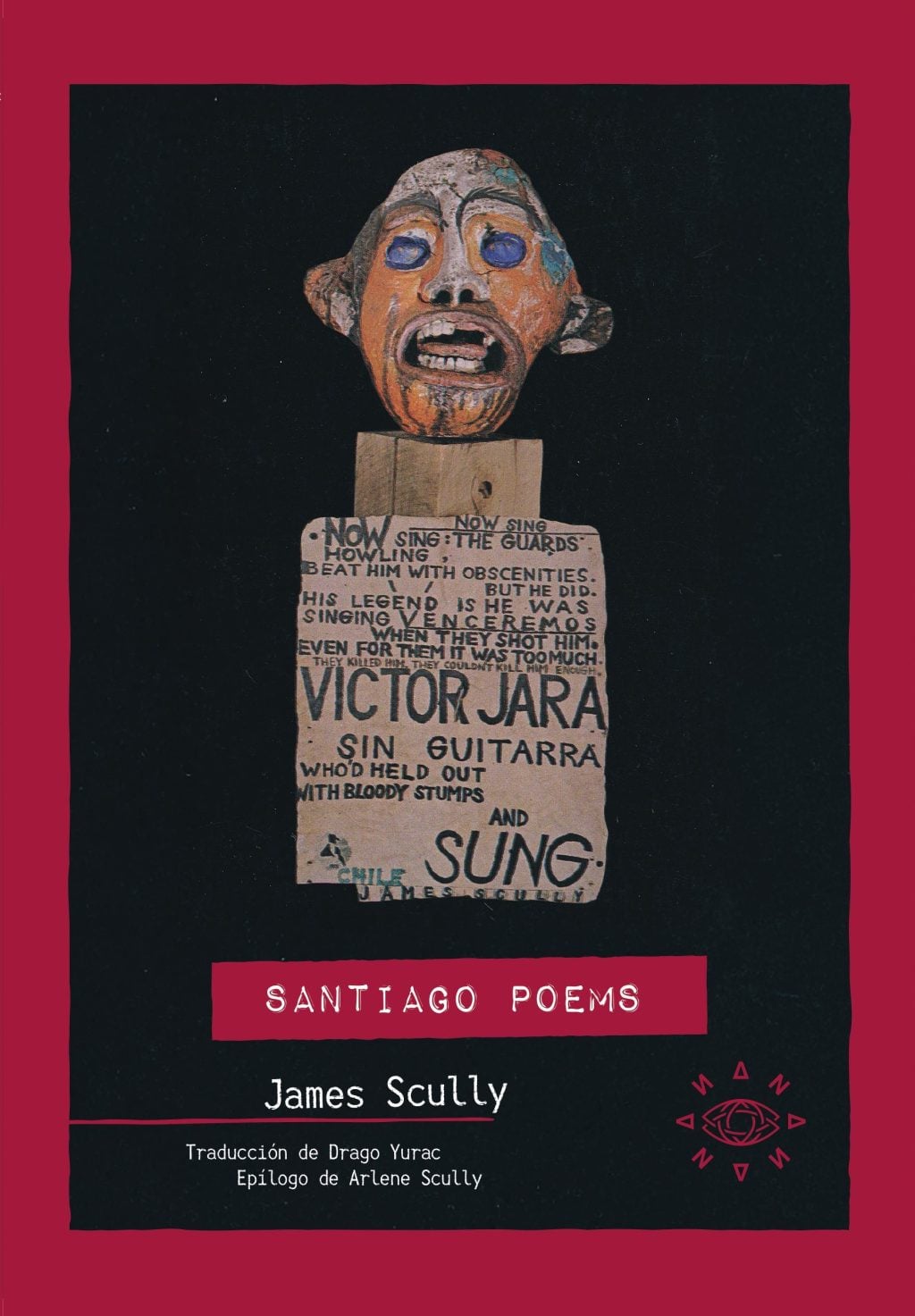
The poems traverse scenes from a recently shattered country, portraying events such as the death of Víctor Jara, recalled in «Now sing / Cantahora,» where Scully writes: «They killed him/ and they couldn’t kill him enough»; the bodies thrown into the Mapocho, the National Stadium as a concentration camp, and the everyday fear of curfews.
A particularly haunting poem, «When the People Were Disappeared,» recalls Neruda under house arrest and streets transformed into a ghostly landscape.
Scully’s voice is direct, grave, yet deeply humane, capable of observing beauty persisting amid horror: in graffiti, in the Mapocho River, in the gestures of workers, and in the figures who marked popular resistance.
In this vein, this new edition includes previously unpublished materials in Spanish, including fragments from the «Cuernavaca Diary,» where Scully narrates the days leading up to his journey to Chile and his decision to come despite the dangers: «I know exactly what I must do… write what they are not allowed to write.»
Additionally, the volume contains an extensive dedication written decades later, remembering Chilean friends like Pancho Boncompte, Orlando and Isabel Margarita Letelier, and Teresa de Jesús, reconstructing the solidarity networks and climate of persecution of the 1970s.
These documents ground the work in reality: the apartment that functioned as a refuge for the MIR, the arrests, exiles, murders, and the impact that this journey had on James Scully’s life and writing.
The Visual Dimension: Sculptures for Shared Grief
The book includes sculptures by Jeff Schlanger, an American artist who received poems sent clandestinely from Chile and created over 300 pieces that represent the violence faced by people.
In this edition, his works—broken faces, wounded figures, memories materialized in clay—accompany the poems as a visual dialogue of horror and resistance.
«With this publication, Agnición Editorial recovers a book that remained virtually unknown in Chile for 50 years, despite being written for Chilean readers and as an international denunciation,» emphasized the publishing house.
The Citizen
Relacionados
Argentinian Magazine El Niño Rizoma Translates Poem by Renee Nicole Good Following Her Tragic Death
Hace 4 semanas

GAM Commemorates 80 Years of Gabriela Mistral's Nobel Prize with Special December Programming
Hace 2 meses

Mexican President's Initiative Distributes 2.5 Million Books to Youth in 14 Latin American Countries
Hace 2 meses